

Contents
What Creatine Is
How Creatine Works
Benefits of Creatine
How to Take Creatine
Safety and Side Effects
Conclusion
Frequently Asked Questions
Are you looking to improve your athletic performance, increase muscle mass, or simply have more energy during workouts? You’ve probably heard of creatine—perhaps the most researched and widely used supplement in the fitness world. It’s often called the “secret ingredient” in professional athletes’ arsenals. But what exactly is it, how does it work, and what results can you expect? In this article, we’ll review the scientific facts, debunk myths, and help you make an informed decision about whether creatine is right for you.
What Creatine Is
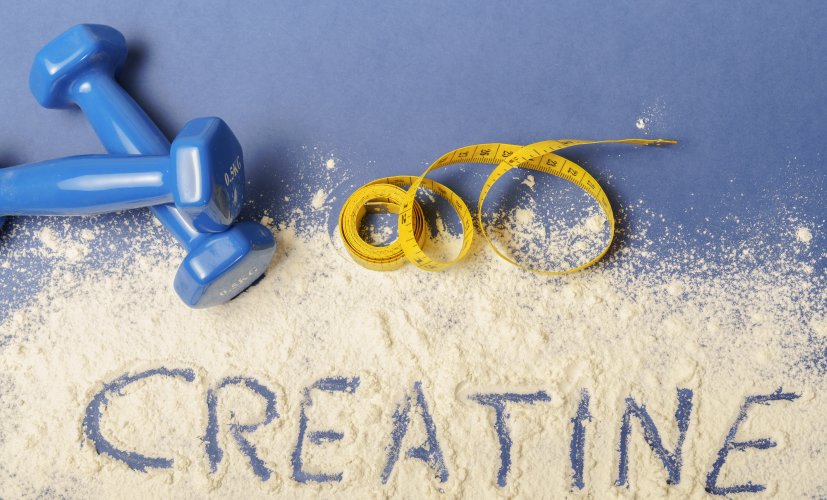
Creatine is a naturally occurring compound synthesized in the body from the amino acids arginine, glycine, and methionine. Its main role is to store and deliver energy to cells, especially muscle cells. About 95% of creatine is found in muscles, with the remainder in the liver, kidneys, and pancreas.
Creatine can also be obtained from food, mainly red meat and fish. However, dietary intake is rarely enough to achieve the effects sought by athletes. That’s why creatine monohydrate—the most popular and scientifically studied form—is used. It has been proven to increase creatine levels in muscles.
Creatine supports energy production through the resynthesis of adenosine triphosphate (ATP), the primary energy source for cells. During intense exercise, ATP stores deplete quickly, and creatine accelerates their recovery, improving strength, endurance, and muscle performance.
According to PubMed, creatine is one of the safest and most effective supplements used in sports, with proven positive effects on physical performance.
How Creatine Works
Creatine primarily works by maintaining high ATP levels during short, intense bursts of activity. It does not provide direct energy but helps rapidly restore ATP, allowing for more repetitions, heavier loads, and longer sets in the gym.
Taking creatine monohydrate increases muscle creatine content in the form of phosphocreatine, which enhances energy production in the first 10–15 seconds of effort—a critical period in sprints, weightlifting, and explosive movements.
Creatine also aids cellular hydration, retaining water within muscle cells. This creates a favorable environment for growth and recovery. This effect should not be confused with general water retention—it is intracellular hydration, which is entirely beneficial.
Interestingly, creatine may also support brain function. Some studies indicate that it can improve cognitive performance during sleep deprivation or mental exertion, as the brain also relies on ATP. Thus, the supplement benefits both body and mind.
Benefits of Creatine

The list of proven benefits is long. Key effects confirmed by clinical studies include:
- Increased strength and power – enables heavier lifts and more explosive movements.
- Greater anaerobic endurance – more repetitions before fatigue sets in.
- Accelerated muscle growth – supports anabolic processes through higher training volume and improved recovery.
- Faster recovery – reduces inflammatory markers and muscle soreness post-workout.
- Potential neuroprotection – evidence for benefits in neurodegenerative diseases like Parkinson’s and ALS.
- Enhanced brain function – may improve memory and focus during sleep deprivation or high cognitive demand.
- Creatine benefits are not limited to men—women can achieve the same results: increased strength, energy, and faster recovery, without unwanted “bloating” or visual changes.
How to Take Creatine
There are two main ways to take creatine monohydrate: with or without a loading phase. The choice depends on your goals, supplement sensitivity, and personal preference.
1. With a loading phase
First 5–7 days: 0.3 g/kg body weight (e.g., ~21 g/day for 70 kg), divided into 4 doses daily.
Maintenance: 0.03 g/kg body weight daily (~2–5 g) to sustain levels.
The loading phase quickly saturates muscles with phosphocreatine, with effects noticeable within a week. Studies confirm faster creatine accumulation in muscles with this approach.
2. Without a loading phase
Take 3–5 g daily, without an initial loading period.
This method also achieves full muscle saturation but over 3–4 weeks. The main advantage is better tolerance, especially for those with sensitive stomachs or water retention.
Both methods reach similar muscle creatine levels after about a month. Creatine is best absorbed with carbohydrates (e.g., fruit or juice), as insulin helps transport it to muscles. Timing relative to workouts is less important than consistent daily intake.
Drink enough water—at least 30–40 ml per kilogram of body weight.
Safety and Side Effects
Creatine monohydrate is one of the most well-researched supplements in sports nutrition. According to the Journal of the International Society of Sports Nutrition (ISSN), both short-term and long-term use (up to 5 years) is safe and well-tolerated in healthy individuals at recommended doses (3–5 g/day).
Common side effects may include:
- Temporary bloating due to water retention in muscles
- Mild gastrointestinal discomfort with high doses or on an empty stomach
- Elevated creatine kinase (CK) levels—a muscle enzyme involved in energy production. CK may rise after intense exercise but is not a sign of damage in healthy individuals.
Important: Individuals with kidney disease, diabetes, or other chronic conditions should consult a doctor before use.
Conclusion
Creatine is not a “magic supplement,” but it is one of the few with such strong scientific support. If you want to improve workout performance, recover faster, and maintain higher energy levels, creatine is an excellent choice.
With proper dosing, consistency, and hydration, creatine monohydrate can be your ally for strength, endurance, and sustainable progress. Safe, accessible, and effective, it is a logical step for anyone aiming to get more from their body.
Frequently Asked Questions
What does elevated creatine kinase mean?
Elevated CK indicates increased breakdown or damage of muscle cells. Causes may include exercise, muscle injury, heart attack, or certain diseases. In some cases, the rise is temporary and not disease-related. A doctor’s assessment is necessary for accurate interpretation.
When should creatine be taken?
Creatine is taken once daily (3–5 g). On training days, typically before or after workouts; on rest days, at the same time each day. Regular intake is more important than exact timing.
At what age can creatine be used?
Creatine is considered safe for individuals over 18. It is not recommended for younger people due to limited long-term research on growth and development. Consultation with a doctor is needed if used before 18.
Can creatine be combined with other supplements like protein or BCAAs?
Yes, creatine can be safely combined with protein and BCAAs. The combination may even enhance recovery and muscle growth.