


 Click & collect

Ще се изтрие най-старият артикул от любими и ще се добави новият
Prescription drugs

Coming soon
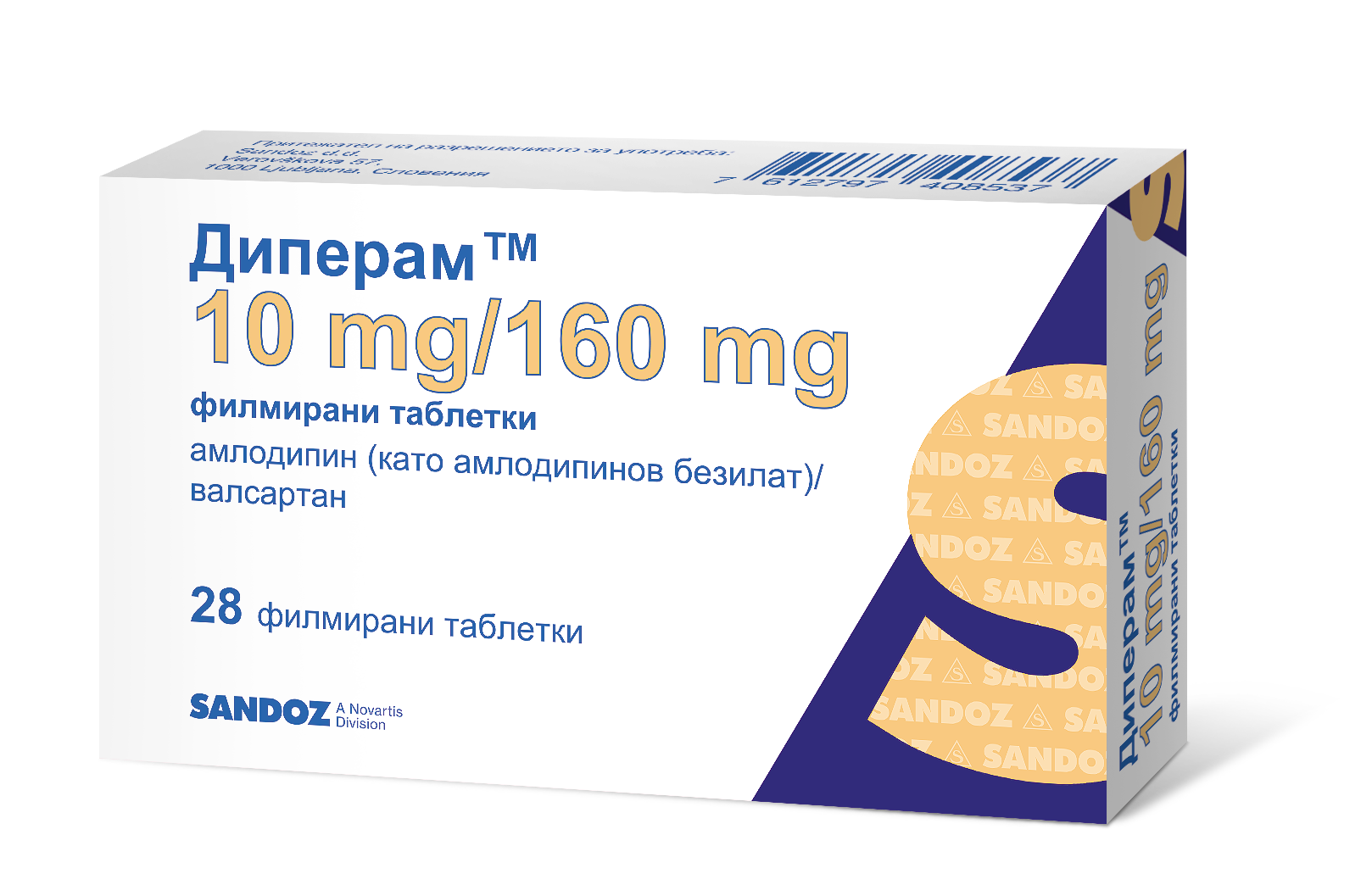
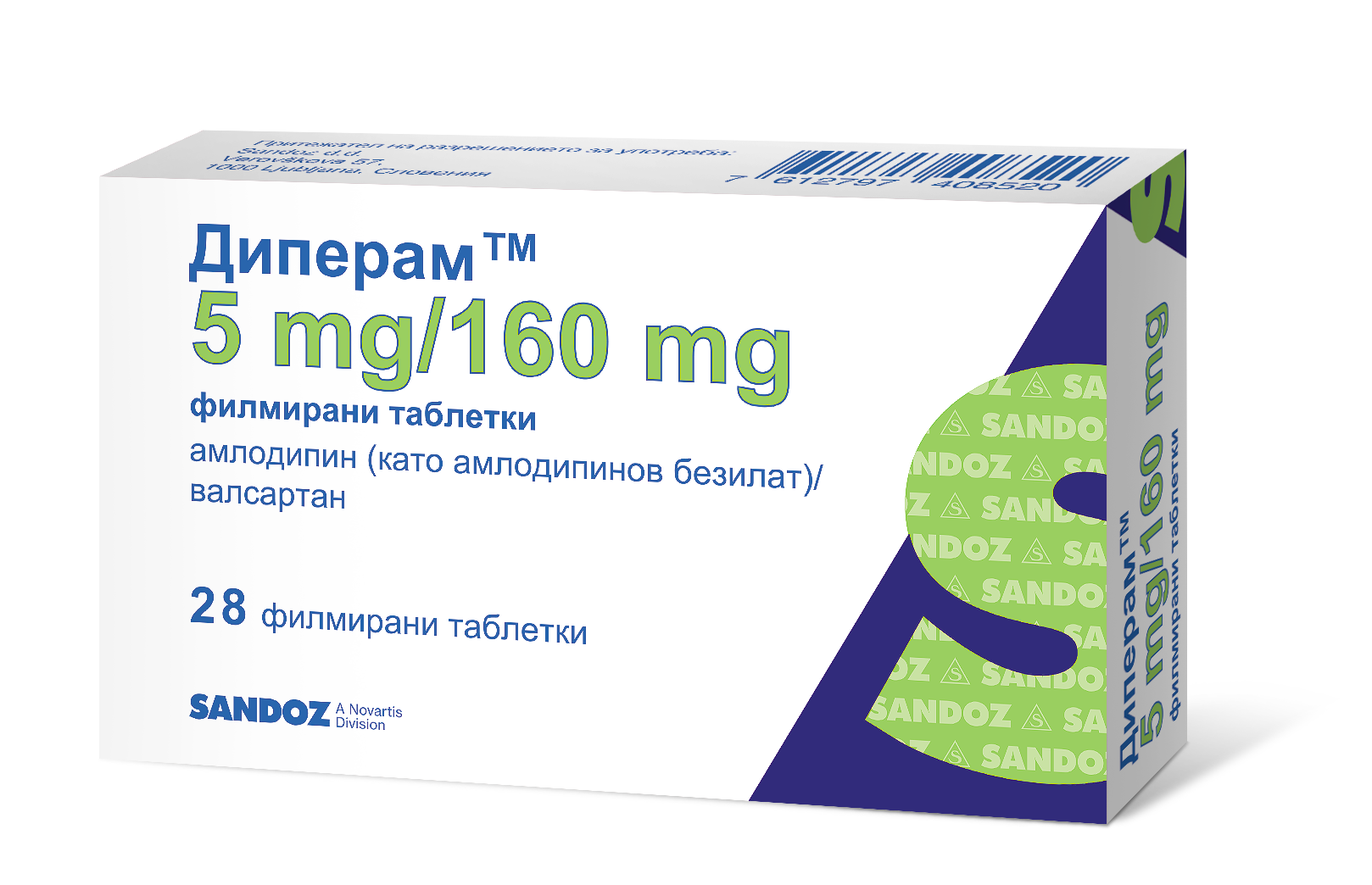
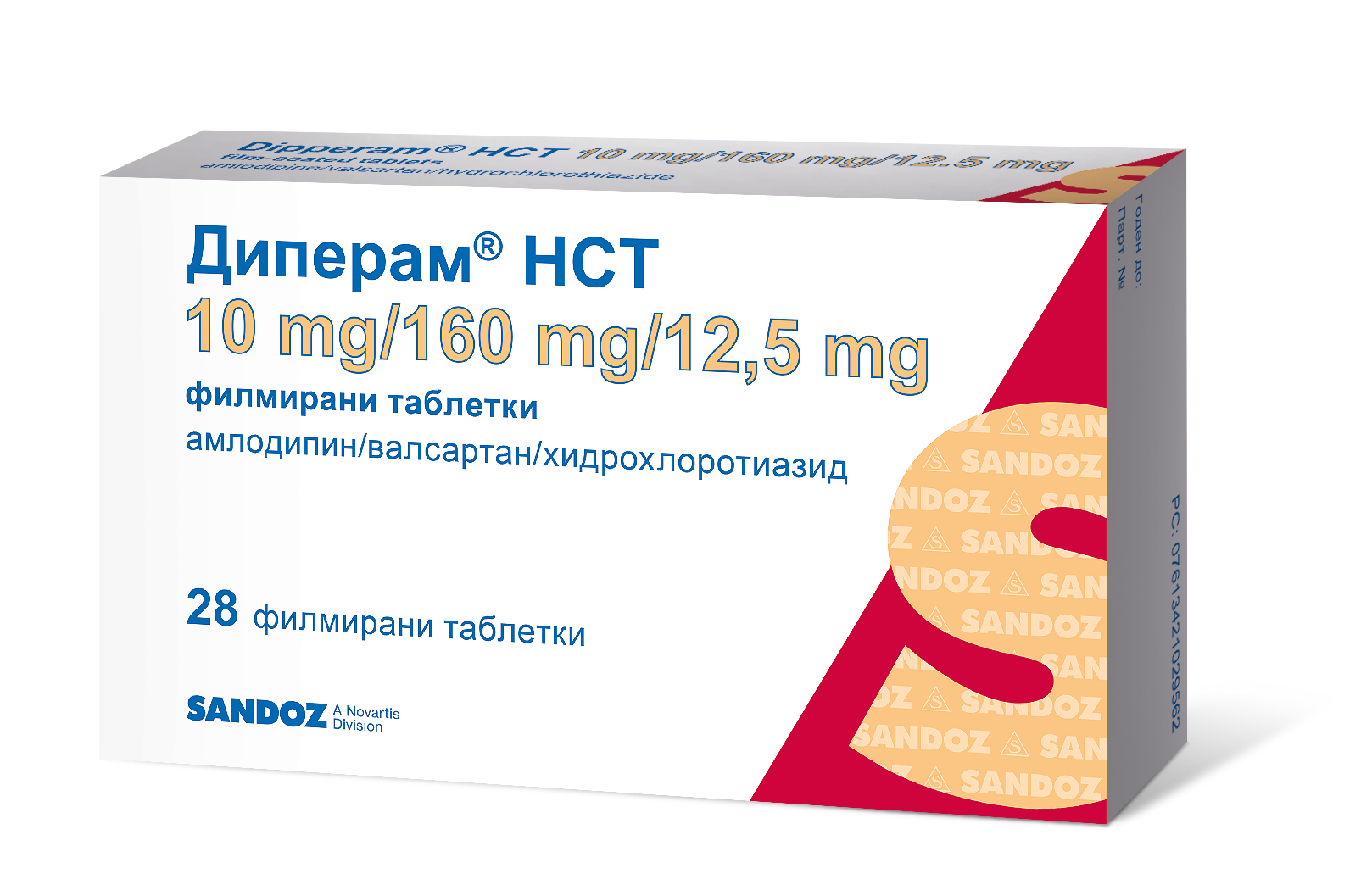
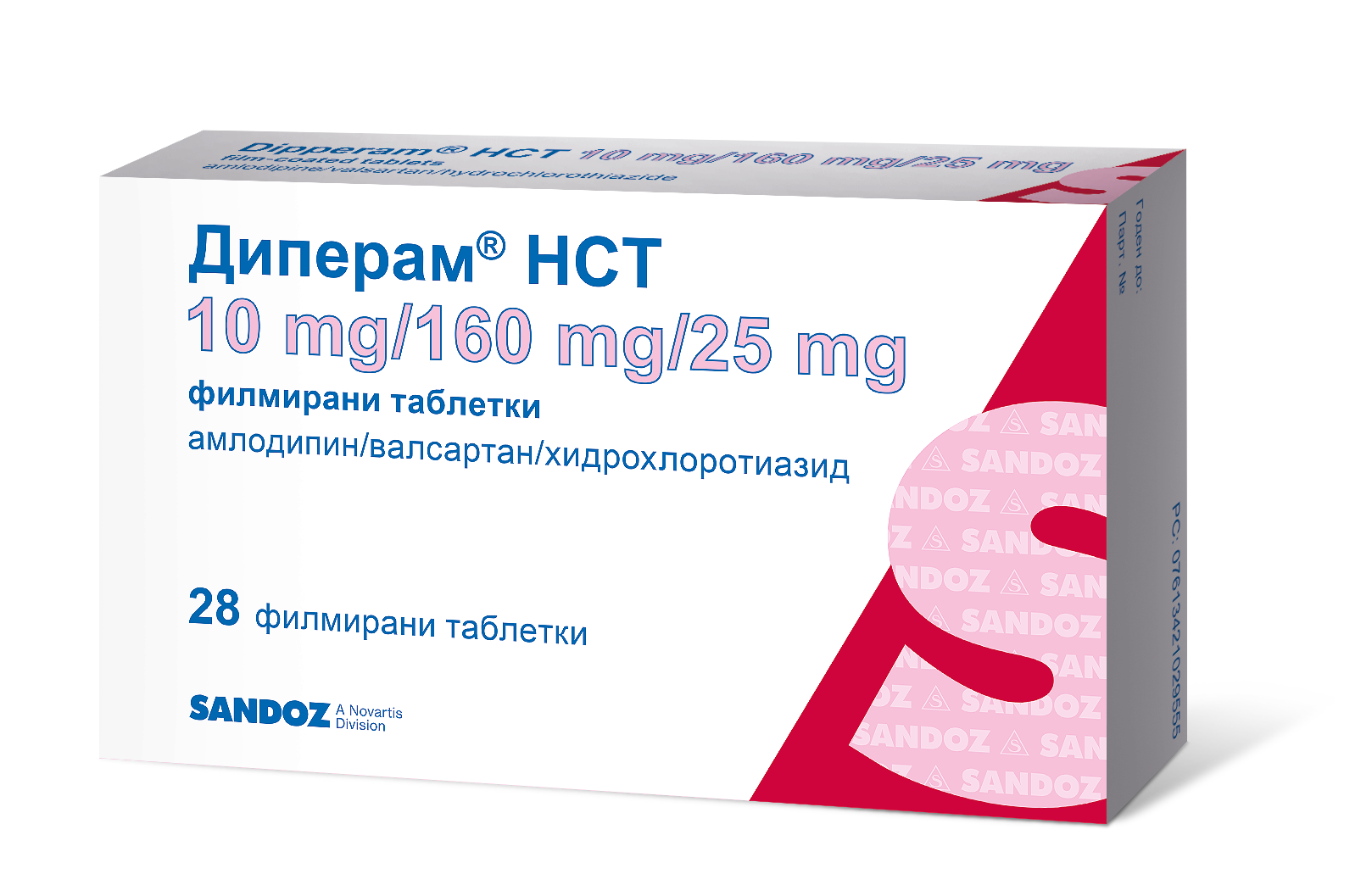
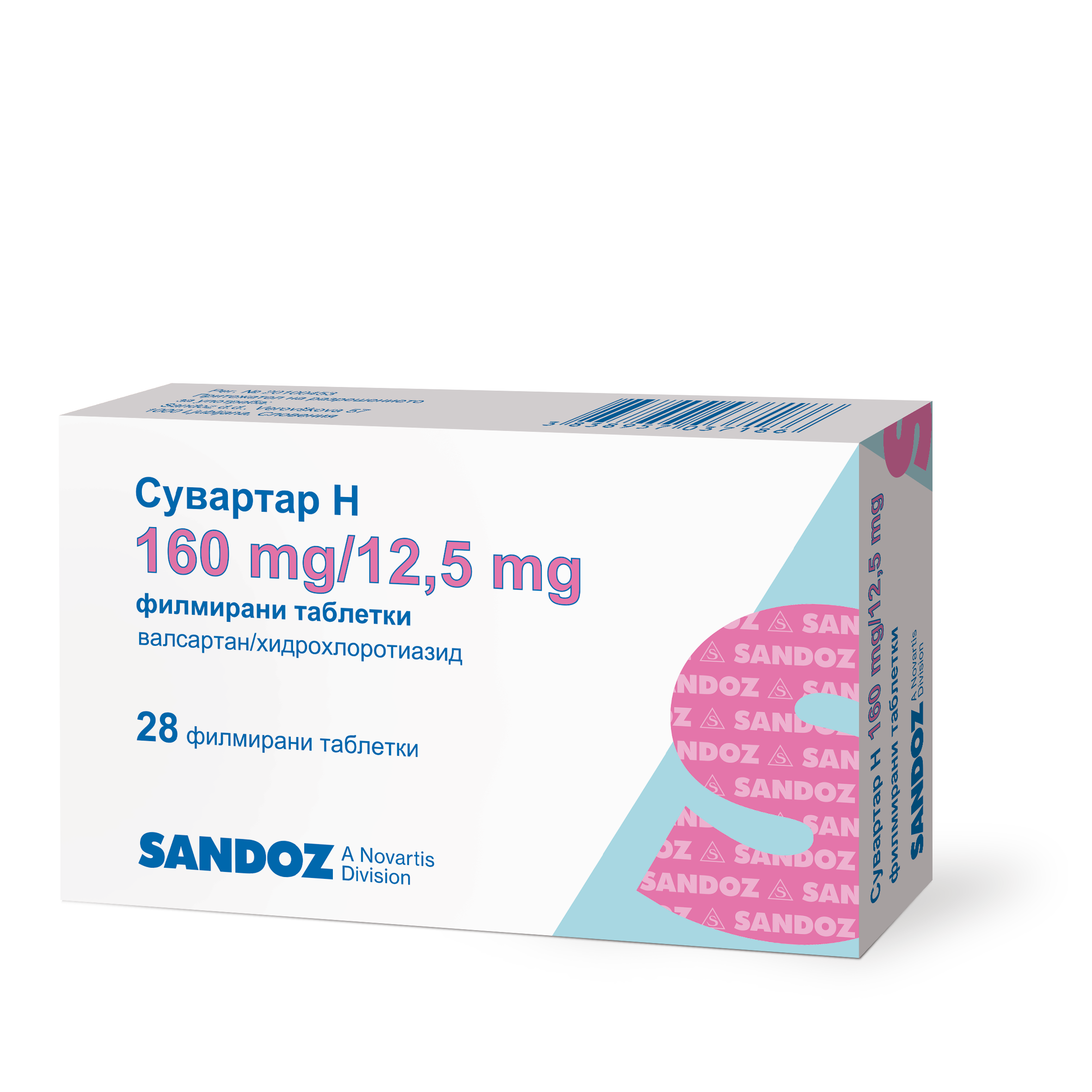
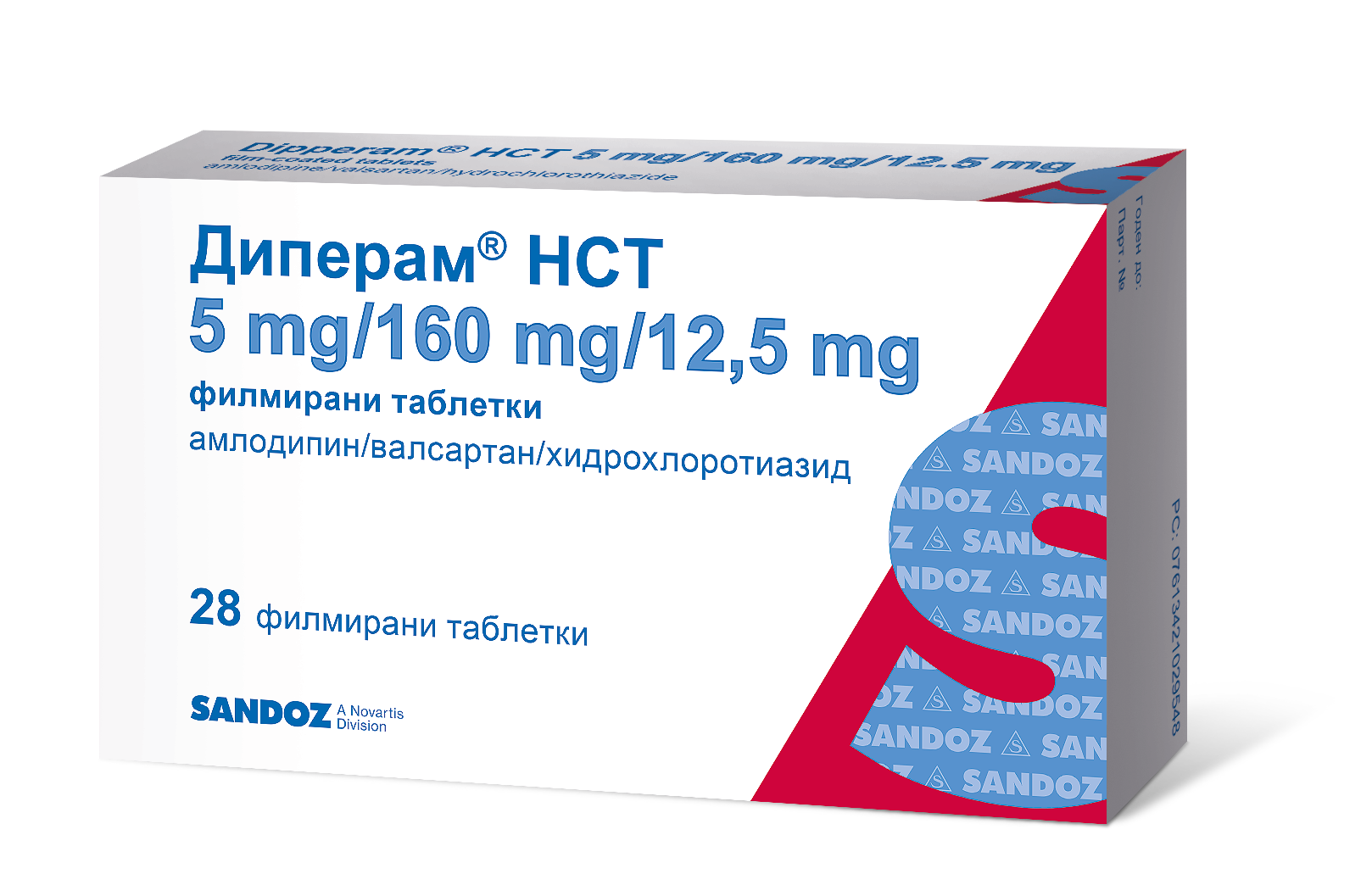
DIPPERAM HCT 5mg/160mg/12.5mg x 28 tabl
лекарствена информация
It is not sold online
Add to Favourites
DIPPERAM HCT 5mg/160mg/12.5mg x 28 tabl
Leaflet: information for the user
Diperam HCT 5 mg/160 mg/12.5 mg film-coated tablets
Diperam HCT 10 mg/160 mg/12.5 mg film-coated tablets
Diperam HCT 10 mg/160 mg/25 mg film-coated tablets
amlodipine/valsartan/hydrochlorothiazide
Dipperam HCT 5 mg/160 mg/12.5 mg film-coated tablets
Dipperam HCT 10 mg/160 mg/12.5 mg film-coated tablets
Dipperam HCT 10 mg /160 mg/25 mg film-coated tablets
amlodipine/valsartan/hydrochlorothiazide
Read all of this leaflet carefully before you start taking this medicine because it contains important information for you.
- Keep this leaflet. You may need to read it again.
- If you have any further questions, ask your doctor or pharmacist.
- This medicine has been prescribed for you personally. Do not pass it on to others. It may harm them, even if their signs of illness are the same as yours.
If you get any side effects, please tell your doctor or pharmacist. This includes any possible side effects not listed in this leaflet. See section 4.
What this leaflet contains
1. What Diperam HCT is and what it is used for
2. What you need to know before you take Diperam HCT
3. How to take Diperam HCT
4. Possible side effects
5. How to store Diperam HCT
6. Contents of the pack and other information
1. What Diperam HCT is and what it is used for
Diperam HCT tablets contain three substances called amlodipine, valsartan and hydrochlorothiazide. All three substances help to control high blood pressure.
- Amlodipine belongs to a group of substances called “calcium antagonists”. Amlodipine stops calcium from entering the blood vessel wall, which prevents the blood vessels from narrowing.
- Valsartan belongs to a group of substances called “angiotensin-II receptor blockers”. Angiotensin II is produced by the body and causes the blood vessels to constrict, thereby increasing blood pressure. Valsartan works by blocking the effect of angiotensin II.
- Hydrochlorothiazide belongs to a group of substances called “thiazide diuretics”. Hydrochlorothiazide increases the amount of urine produced, which also reduces blood pressure.
As a result of the action of the three mechanisms, blood vessels relax and blood pressure decreases.
Diperam HCT is used to treat high blood pressure in adult patients whose blood pressure is well controlled by taking amlodipine, valsartan and hydrochlorothiazide and who would benefit from taking one tablet containing all three substances.
2. What you need to know before you take Diperam HCT
Do not take Diperam HCT
- if you are more than 3 months pregnant. (It is also better to avoid Diperamide HCT in early pregnancy - see pregnancy section.)
- if you are allergic to amlodipine or other calcium antagonists, valsartan, hydrochlorothiazide, sulfonamide derivatives (medicines used to treat chest or urinary infections) or any of the other ingredients of this medicine (listed in section 6).
If you think you may be allergic, do not take Diperam HCT and consult your doctor.
- if you have liver disease, destruction of the small bile ducts in the liver (biliary cirrhosis), leading to a buildup of bile in the liver (cholestasis).
- if you have severe kidney problems or if you are on dialysis treatment.
- if you are unable to pass urine (anuria).
- if you have severely low levels of potassium or sodium in your blood, despite treatment to increase the levels of potassium or sodium in your blood.
- if you have too high levels of calcium in your blood despite treatment to reduce calcium levels in your blood.
- if you have gout (uric acid crystals in the joints).
- if you have very low blood pressure (hypotension).
- if you have narrowing of the aortic valve (aortic stenosis) or cardiogenic shock (a condition in which the heart is unable to supply enough blood to the body).
- if you have heart failure after a heart attack.
- if you have diabetes or impaired kidney function and are being treated with a blood pressure lowering medicine containing aliskiren.
If any of the above applies to you, do not take Diperam HCT and consult your doctor .
Warnings and precautions
Talk to your doctor or pharmacist before taking Diperam HCT
- if you have low levels of potassium or magnesium in your blood (with or without symptoms such as muscle weakness, muscle spasms, irregular heartbeat).
- if you have low sodium levels in your blood (with or without symptoms such as tiredness, confusion, muscle twitching, convulsions).
- if you have high levels of calcium in your blood (with or without symptoms such as nausea, vomiting, constipation, stomach pain, frequent urination, thirst, muscle weakness and tremor).
- if you have kidney problems, have had a kidney transplant or have been told that you have narrowing of the renal arteries.
- if you have liver problems.
- if you have or have had heart failure or coronary artery disease, especially if you have been prescribed the maximum dose of amlodipine/valsartan/hydrochlorothiazide
(10mg/320mg/25mg).
- if you have had a heart attack. Follow your doctor's instructions carefully for the starting dose. Your doctor may also test your kidney function.
- if your doctor has told you that you have a narrowing of the heart valves (called “aortic or mitral stenosis”) or that the thickness of the heart muscle is increased above normal (called “obstructive hypertrophic cardiomyopathy”).
- if you have aldosteronism. This is a condition in which the adrenal glands produce too much of the hormone aldosterone. If this applies to you, the use of Diperam HCT is not recommended.
- if you have a disease called systemic lupus erythematosus (also called “lupus” or “SLE”).
- if you have diabetes (high blood sugar levels).
- if you have high levels of cholesterol or triglycerides in your blood.
- if you have skin reactions, such as a rash after sun exposure.
- if you have had allergic reactions to other medicines for high blood pressure or diuretics (a type of medicine also known as “water tablets”), especially if you have asthma or allergies
- if you are sick (vomiting or diarrhea).
- if you have had swelling, especially of the face or throat, while taking other medicines (including angiotensin converting enzyme inhibitors). If you experience these symptoms, stop taking Diperam HCT and contact your doctor immediately. You should never take Diperam HCT again.
- If you experience dizziness and/or fainting during treatment with Diperam HCT, tell your doctor as soon as possible.
- if you have decreased vision or eye pain. These may be symptoms of increased pressure in the eye and may occur within hours to a week after you start taking Diperam HCT. This may lead to permanent vision loss if not treated.
- if you are taking any of the following medicines used to treat high blood pressure:
- ACE inhibitor (eg enalapril, lisinopril, ramipril), especially if you have kidney problems related to diabetes.
- aliskiren.
- if you have had skin cancer or if you develop an unexpected skin lesion during treatment. Treatment with hydrochlorothiazide, especially long-term use of high doses, may increase the risk of certain types of skin and lip cancer (non-melanoma skin cancer). Protect your skin from exposure to the sun and ultraviolet rays while taking Diperam HCT.
Your doctor may periodically check your kidney function, blood pressure and the amount of electrolytes (e.g. potassium) in your blood.
See also the information entitled “Do not take Diperam HCT”.
If any of the above applies to you, consult your doctor.
Children and adolescents
The use of Diperam HCT in children and adolescents under 18 years of age is not recommended.
Elderly people (aged 65 and over)
Diperam HCT can be used in patients aged 65 years and over at the same doses as in other adults and in the same way as they have been taking the three substances called amlodipine, valsartan and hydrochlorothiazide until now. Elderly patients, especially those taking the maximum dose of amlodipine/valsartan/hydrochlorothiazide
(10 mg/320 mg/25 mg), should monitor their blood pressure regularly.
Other medicines and Diperam HCT
Tell your doctor or pharmacist if you are taking, have recently taken or might take any other medicines. Your doctor may need to change your dose and/or take other precautions. In some cases, you may need to stop taking one of the medicines. This is especially important if you are taking any of the medicines listed below:
Do not take at the same time as:
• lithium (a medicine used to treat some types of depression);
• medicines or substances that increase the level of potassium in the blood. These include potassium supplements or salt substitutes containing potassium, potassium-sparing medicines and heparin;
• ACE inhibitors or aliskiren (see also information under the headings “Do not take Diperam HCT” and “Warnings and precautions”).
Take with caution with:
• alcohol, sleeping pills and anesthetics (medicines that allow patients to undergo surgery and other manipulations);
• amantadine (a medicine for the treatment of Parkinson's disease and also for the treatment and prevention of certain diseases caused by viruses);
• anticholinergics (medicines used to treat a number of diseases such as gastrointestinal spasms, bladder spasms, asthma, motion sickness, muscle spasms, Parkinson's disease and as part of anesthesia medications);
• anticonvulsants and mood stabilizers, medicines used to treat epilepsy and bipolar disorders (e.g. carbamazepine, phenobarbital, phenytoin, fosphenytoin, primidone);
• cholestyramine, colestipol or other resins (substances mainly used to treat elevated blood lipid levels);
• simvastatin (a medicine used to control high cholesterol);
• ciclosporin (a medicine used in transplantation to prevent rejection of a transplanted organ or in some other diseases, e.g. rheumatoid arthritis or atopic dermatitis);
• cytotoxic medicines (used to treat cancer), such as methotrexate or cyclophosphamide;
• digoxin or other digitalis glycosides (medicines used to treat heart problems);
• verapamil, diltiazem (heart medicines);
• iodine contrast agents (agents used in imaging studies);
• medicines to treat diabetes (oral agents such as metformin or insulin);
• medicines to treat gout, such as allopurinol;
• medicines that can increase blood sugar levels (beta blockers, diazoxide);
• medicines that can induce “torsades de pointes” (irregular heart rhythm), such as antiarrhythmics (medicines used to treat heart problems) and some antipsychotics;
• medicines that can reduce the amount of sodium in the blood, such as antidepressants, antipsychotics, antiepileptic medicines;
• medicines that can reduce the amount of potassium in the blood, such as diuretics (water tablets), corticosteroids, laxatives, amphotericin or penicillin G;
• medicines to increase blood pressure, such as adrenaline or noradrenaline;
• medicines used to treat HIV/AIDS (e.g. ritonavir, indinavir, nelfinavir);
• medicines used to treat fungal infections (e.g. ketoconazole, itraconazole);
• medicines used to treat ulcers and inflammation of the esophagus (carbenoxolone);
• medicines to relieve pain and inflammation, especially non-steroidal anti-inflammatory drugs (NSAIDs), including selective cyclooxygenase 2 inhibitors (Cox-2 inhibitors);
• muscle relaxants (medicines used to relax muscles, used during operations);
• nitroglycerin and other nitrates or other substances called “vasodilators”;
• other medicines to treat high blood pressure, including methyldopa;
• rifampicin (used, for example, to treat tuberculosis), erythromycin, clarithromycin (antibiotics);
• St. John's wort;
• dantrolene (infusion for severe body temperature deviations);
• vitamin D and calcium salts.
Diperam HCT with food, drink and alcohol
People who are prescribed Diperam HCT should not consume grapefruit or grapefruit juice. This is because grapefruit and grapefruit juice can lead to increased plasma levels of the active substance amlodipine, which in turn can lead to an unpredictable increase in the antihypertensive effect of Diperam HCT. Talk to your doctor before drinking alcohol. Alcohol can cause your blood pressure to drop too low and/or increase the chance of dizziness or fainting.
Pregnancy and breastfeeding
Pregnancy
You must tell your doctor if you think you are pregnant ( or might become pregnant ). Your doctor will normally advise you to stop taking Diperam HCT before you become pregnant or as soon as you know you are pregnant and will advise you to take another medicine instead of Diperam HCT. Diperam HCT is not recommended in early pregnancy, and must not be taken if you are more than 3 months pregnant, as it may cause serious harm to your baby if used after the third month of pregnancy.
Breastfeeding
Tell your doctor if you are breast-feeding or planning to breast-feed . Treatment with Diperam HCT is not recommended for mothers who are breast-feeding, and your doctor may choose another treatment for you if you wish to breast-feed, especially if your baby is newborn, or was born prematurely.
Consult your doctor or pharmacist before using any medicine.
Driving and using machines
This medicine may make you feel dizzy, drowsy, nauseous or have a headache. If you experience these symptoms, do not drive or operate machinery.
3. How to take Diperam HCT
Always take this medicine exactly as your doctor has told you. If you are not sure, ask your doctor. This will help you get the best results and reduce the risk of side effects.
The usual dose of Diperam HCT is one tablet daily.
- It is best to take the tablets at the same time each day. It is best in the morning.
- Swallow the tablet whole with a glass of water.
- You can take Diperam HCT with or without food. Do not take Diperam HCT with grapefruit or grapefruit juice.
Depending on how you respond to treatment, your doctor may suggest increasing or decreasing your dose.
Do not exceed the prescribed dose.
If you take more Diperam HCT than you should
If you accidentally take too many Diperam HCT tablets, contact your doctor immediately. You may need medical attention.
If you forget to take Diperam HCT
If you miss a dose of the medicine, take it as soon as you remember, then take the next dose at the usual time. If it is almost time for your next dose, just take the next tablet at the usual time. Do not take a double dose (two tablets at once) to make up for a forgotten tablet.
If you stop taking Diperam HCT
Stopping treatment with Diperam HCT may cause your condition to get worse. Do not stop taking your medicine until your doctor tells you to.
Always take your medicine even if you feel well.
People who have high blood pressure often don't notice any signs of the problem. Many feel normal. It is very important to take this medicine exactly as your doctor tells you to get the best results and reduce the risk of side effects. Keep your doctor's appointments even if you feel well.
If you have any further questions on the use of this medicine, ask your doctor or pharmacist.
4. Possible adverse drug reactions
Like all medicines, this medicine can cause side effects, although not everybody gets them.
As with any combination containing three active substances, adverse reactions related to each of the individual components cannot be excluded. The adverse reactions reported with Diperam HCT or any of its three active substances (amlodipine, valsartan and hydrochlorothiazide) are listed below and may occur with the use of Diperam HCT.
Some side effects can be serious and require immediate medical attention.
Consult a doctor immediately if you experience any of the following serious side effects after taking this medicine:
Common (may affect up to 1 in 10 people):
- dizziness
- low blood pressure (feeling sick, fainting, sudden loss of consciousness)
Uncommon (may affect up to 1 in 100 people):
- severe decrease in the amount of urine produced (reduced kidney function)
Rare (may affect up to 1 in 1,000 people):
- spontaneous bleeding
- irregular heartbeat
- liver disorder
Very rare (may affect up to 1 in 10,000 people):
- sudden wheezing, chest pain, shortness of breath, or difficulty breathing
- swelling of the eyelids, face, or lips
- swelling of the tongue and throat, which makes breathing very difficult
- severe skin reactions, including severe skin rash, hives, redness of the skin over the whole body, severe itching, blistering, peeling and swelling of the skin, inflammation of the mucous membranes (Stevens-Johnson syndrome, toxic epidermal necrolysis) or other allergic reactions
- heart attack
- an inflamed pancreas, which can cause severe abdominal and back pain, accompanied by severe malaise
- weakness, bruising, high fever, and frequent infections
- stiffness
Other side effects may include:
Very common (may affect more than 1 in 10 people):
- low blood potassium levels
- increased blood lipids
Common (may affect up to 1 in 10 people):
- drowsiness
- palpitations (awareness of your heart rhythm)
- redness
- swelling of the ankles (edema)
- abdominal pain
- stomach discomfort after eating
- fatigue
- headache
- frequent urination
- high levels of uric acid in the blood
- low levels of magnesium in the blood
- low blood sodium levels
- dizziness, fainting when standing up
- decreased appetite
- nausea and vomiting
- itchy rash and other types of rash
- inability to achieve or maintain an erection
Uncommon (may affect up to 1 in 100 people):
- rapid heartbeat
- feeling dizzy
- visual impairment
- stomach discomfort
- chest pain
- increase in urea, creatinine and uric acid in the blood
- high levels of calcium, fat, or sodium in the blood
- decreased potassium in the blood
- bad breath
- diarrhea
- dry mouth
- weight gain
- loss of appetite
- taste disturbances
- back pain
- swelling of the joints
- muscle cramps/weakness/pain
- pain in the extremities
- disturbances in standing or walking
- weakness
- coordination disorders
- dizziness when standing up or after exercise
- lack of energy
- sleep disorders
- tingling or numbness
- neuropathy
- sudden, brief loss of consciousness
- decrease in blood pressure upon standing
- cough
- shortness of breath
- throat irritation
- excessive sweating
- itching
- swelling, redness, and pain along the course of a vein
- skin redness
- tremor
- mood swings
- anxiety
- depression
- insomnia
- changes in taste
- fainting
- loss of pain sensation
- visual disturbances
- vision impairment
- ringing in the ears
- sneezing/runny nose caused by inflammation of the nasal mucosa (rhinitis)
- change in bowel movement pattern
- indigestion
- hair loss
- itchy skin
- change in skin color
- impaired urination
- frequent urge to urinate at night
- increased frequency of urination
- discomfort or enlargement of breasts in men
- pain
- general malaise
- weight loss
Rare (may affect up to 1 in 1,000 people):
- low platelet levels (sometimes with bleeding or bruising of the skin)
- glucose in urine
- high blood sugar levels
- worsening of diabetic metabolic state
- abdominal discomfort
- constipation
- liver disorders, which may occur together with yellowing of the skin and eyes or darkening of the urine (hemolytic anemia)
- increased skin sensitivity to sun exposure
- purple spots on the skin
- kidney disorders
- confusion
Very rare (may affect up to 1 in 10,000 people):
- decreased white blood cell count
- reduced number of platelets in the blood which may lead to unusual bruising or easy bleeding (damage to red blood cells)
- swelling of the gums
- bloating (gastritis)
- inflammation of the liver (hepatitis)
- yellowing of the skin (jaundice)
- increase in liver enzymes, which may affect some laboratory tests
- increased muscle tension
- inflammation of the blood vessels, often accompanied by a skin rash
- sensitivity to light
- disorders including stiffness, tremors and/or movement disorders
- high fever, sore throat or mouth ulcers, more frequent infections (lack or very low levels of white blood cells)
- pale skin, fatigue, shortness of breath, dark urine (hemolytic anemia, abnormal breakdown of red blood cells in the blood vessels or elsewhere in the body)
- confusion, fatigue, muscle twitching and spasms, rapid breathing (hypochloraemic alkalosis)
- severe pain in the upper stomach (inflammation of the pancreas)
- difficulty breathing with fever, cough, wheezing, shortness of breath (respiratory distress, pulmonary edema, pneumonitis)
- facial rash, joint pain, muscle disorders, high fever (lupus erythematosus)
- inflammation of the blood vessels with symptoms such as rash, purple-red spots, high fever (vasculitis)
- severe skin disease causing rash, red skin, blistering of the lips, eyes or mouth, peeling skin, high fever (toxic epidermal necrolysis)
Not known (frequency cannot be estimated from the available data):
- changes in blood tests to assess kidney function, increased potassium levels in the blood, decreased red blood cell count
- Abnormalities in red blood cell test results
- decreased number of certain types of white blood cells and platelets
- increased creatinine in the blood
- abnormalities in liver function tests
- severe decrease in the amount of urine excreted
- inflammation of the blood vessels
- weakness, bruising, and severe infections (aplastic anemia)
- decreased vision or eye pain due to increased pressure (possible symptoms of acute angle-closure glaucoma)
- shortness of breath
- a severe decrease in the amount of urine produced (possible signs of kidney problems or kidney failure)
- serious skin disease that causes rash, redness of the skin, blistering of the lips, eyes or mouth, peeling skin, fever (erythema multiforme)
- muscle spasm
- high fever (pyrexia)
- blistering of the skin (a sign of a condition called bullous dermatitis)
- skin and lip cancer (non-melanoma skin cancer)
Reporting side effects
If you get any side effects, please tell your doctor or pharmacist. This includes any possible side effects not listed in this leaflet. You can also report side effects directly via the national reporting system:
Bulgarian Medicines Agency 8 Damyan Gruev Street, 1303 Sofia, website: www.bda.bg. By reporting side effects, you can contribute to obtaining more information on the safety of this medicine.
5. How to store Diperam HCT
Keep out of the reach of children.
Do not use this medicine after the expiry date which is stated on the carton and blister after “EXP”. The expiry date refers to the last day of that month.
Store below 30°C.
Store in the original package in order to protect from moisture.
Do not use Diperam HCT packages that are damaged or show signs of tampering.
Do not throw away any medicines via wastewater or household waste. Ask your pharmacist how to dispose of medicines you no longer use. This will help to protect the environment.
6. Contents of the pack and other information
What Diperam HCT contains
Diperam HCT 5 mg/160 mg/12.5 mg film-coated tablets
The active substances of Diperam HCT are amlodipine (as amlodipine besylate), valsartan and hydrochlorothiazide. Each film-coated tablet contains 5 mg amlodipine (as amlodipine besylate), 160 mg valsartan and 12.5 mg hydrochlorothiazide.
The other ingredients are cellulose, microcrystalline; crospovidone (type A); silica, colloidal anhydrous; magnesium stearate; hypromellose (type 2910); macrogol 4000, talc, titanium dioxide (E171).
Diperam HCT 10 mg/160 mg/12.5 mg film-coated tablets
The active substances of Diperam HCT are amlodipine (as amlodipine besylate), valsartan and hydrochlorothiazide. Each film-coated tablet contains 10 mg of amlodipine (as amlodipine besylate), 160 mg of valsartan and 12.5 mg of hydrochlorothiazide.
The other ingredients are cellulose, microcrystalline; crospovidone (type A); silica, colloidal anhydrous; magnesium stearate; hypromellose (type 2910); macrogol 4000, talc, titanium dioxide (E171), yellow iron oxide, (E172), red iron oxide (E172).
Diperam HCT 10 mg/160 mg/25 mg film-coated tablets
The active substances of Diperam HCT are amlodipine (as amlodipine besylate), valsartan and hydrochlorothiazide. Each film-coated tablet contains 10 mg of amlodipine (as amlodipine besylate), 160 mg of valsartan and 25 mg of hydrochlorothiazide.
The other ingredients are cellulose, microcrystalline; crospovidone (type A); silica, colloidal anhydrous, magnesium stearate, hypromellose (type 2910); macrogol 4000, talc, yellow iron oxide (E172).
What Diperam HCT looks like and contents of the pack
Diperam HCT 5 mg/160 mg/12.5 mg film-coated tablets
Diperam HCT 5 mg/160 mg/12.5 mg film-coated tablets are white, oval tablets with “NVR” on one side and “VCL” on the other.
Length: approximately 15 mm
Width: approximately 5.9 mm
Diperam HCT 10 mg/160 mg/12.5 mg film-coated tablets
Diperam HCT 10 mg/160 mg/12.5 mg film-coated tablets are pale yellow, oval tablets with “NVR” on one side and “VDL” on the other.
Length: approximately 15 mm
Width: approximately 5.9 mm
Diperam HCT 10 mg/160 mg/25 mg film-coated tablets
Diperam HCT 10 mg/160 mg/25 mg film-coated tablets are brown-yellow, oval tablets with “NVR” on one side and “VHL” on the other.
Length: approximately 15 mm
Width: approximately 5.9 mm
Diperam HCT is available in PVC/PVDC-Alu blisters or single-dose blister packs.
Diperam HCT is available in blister packs containing 14, 28, 28x1, 30, 56, 56x1, 60, 90, 98, 98x1, 100 and 280x1 film-coated tablets, in multipacks of 280 tablets (consisting of 4 cartons, each containing 70x1 tablets or 20 cartons, each containing 14 tablets).
Not all packs may be marketed in your country.
Marketing Authorisation Holder
Sandoz dd
Verovškova 57
1000 Ljubljana
Slovenia
Manufacturers
Salutas Pharma GmbH
Otto von Guericke Allee 1
39179 Barleben, Saxony-Anhalt
Germany
Novartis Pharma GmbH
Roonstrasse 25
90429 Nuremberg, Bavaria
Germany
Novartis Pharmaceuticals SA
Ronda de Santa Maria, 158
08210 Barberà del Vallès (Barcelona)
Spain
This medicinal product is authorised in the Member States of the EEA under the following names:
Netherlands | Dipperam HCT 5 mg/160 mg/12.5 mg film-coated tablets Dipperam HCT 10 mg/160 mg/12.5 mg film-coated tablets Dipperam HCT 10 mg/160 mg/25 mg film-coated tablets |
Bulgaria | Diperam HCT 5 mg/160 mg/12.5 mg film-coated tablets Diperam HCT 10 mg/160 mg/12.5 mg film-coated tablets Diperam HCT 10 mg/160 mg/25 mg film-coated tablets |
Croatia | Dipperam HCT 5 mg/160 mg/12.5 mg film-coated tablets Dipperam HCT 10 mg/160 mg/12.5 mg film-coated tablets Dipperam HCT 10 mg/160 mg/25 mg film-coated tablets |
Estonia | Dipperam HCT Dipperam HCT Dipperam HCT |
Latvia | Dipperam HCT 5mg/160mg/12.5mg film-coated tablets Dipperam HCT 10mg/160mg/12.5mg film-coated tablets Dipperam HCT 10mg/160mg/25mg film-coated tablets |
Poland | Dipperam HCT Dipperam HCT Dipperam HCT |
Romania | Dipperam HCT 5 mg/ 160 mg/12.5 mg comprimate filmate Dipperam HCT 10 mg/ 160 mg/12.5 mg comprimate filmate Dipperam HCT 10 mg/ 160 mg/25 mg comprimate filmate |
Slovakia | Dipperam HCT 5 mg/160 mg/12.5 mg film-coated tablets Dipperam HCT 5 mg/160 mg/25 mg film-coated tablets Dipperam HCT 10 mg/160 mg/25 mg film coated tablet |
Date of last revision of the leaflet:
09/2019
Express Delivery (within 2 hours)
- Valid only for the city of Sofia
- Valid only for orders over €25.56 | 50.00 BGN
- Valid only for cash on delivery (cash or card payment upon receipt)
Delivery to a Pharmacy
- Completed within up to 2 business days
- Valid for Sofia, Bozhurishte, and Mramor
- Free delivery
- Valid only for online payment
Courier Delivery to an Address
- Completed within up to 3 business days
- €2.30 | 4.50 BGN for orders under €25.56 | 50.00 BGN
- Free for orders over €25.56 | 50.00 BGN
Delivery to a Speedy Office
- Completed within up to 3 business days
- €2.30 | 4.50 BGN for orders under €25.56 | 50.00 BGN
- Free for orders over €25.56 | 50.00 BGN
BOX NOW
- Completed within up to 3 business days
- €1.53 | 2.99 BGN for orders under €25.56 | 50.00 BGN
- Free delivery for orders over €25.56 | 50.00 BGN
* Delivery times may change during large-scale campaigns and busy periods (Black Friday, public holidays, etc.).
* When ordering to a Speedy office, the customer has 5 business days from the delivery date to collect their order. After this period, the order is canceled and returned to the warehouse at subra.bg.

Express delivery for Sofia city Learn more

Free shippingover 50.00 lv / 25.56 €

Click and collect Learn more

Check the shipment Learn more

Related products
Book and collect from pharmacy
Availability in store
DIPPERAM HCT 5mg/160mg/12.5mg x 28 tabl
Please add your email, to receive notification when the product is in stock