

Contents
What happens when stung by bees or wasps?
First aid at home for bee and wasp stings
When to seek medical help
How to protect yourself
Conclusion
Frequently Asked Questions
A lovely summer afternoon can suddenly turn unpleasant—a sharp pain, burning, and swelling appear out of nowhere. It’s likely a bee or wasp sting. Whether you're allergic or not, knowing the symptoms and the correct steps to take can be extremely important to avoid serious complications. In this article, we’ll look at what happens during a sting, how to act at home, when to seek medical help, and how to prevent future incidents. Read on to be prepared.
What Happens When Stung by Bees or Wasps?
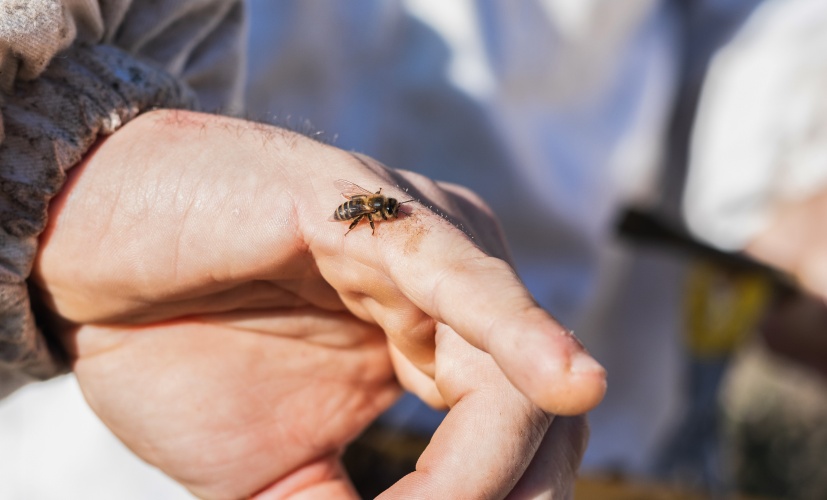
A bee or wasp sting involves the injection of venom through a stinger—a natural defense mechanism of these insects. In the case of a bee sting, the stinger often remains in the skin and continues to release toxins for several minutes. Wasps, on the other hand, have smooth stingers that don’t get stuck, allowing them to sting multiple times without losing it.
The venom contains various enzymes and substances such as melittin, histamine, and acetylcholine, which cause pain, redness, swelling, and itching by damaging skin cells and triggering an immune response.
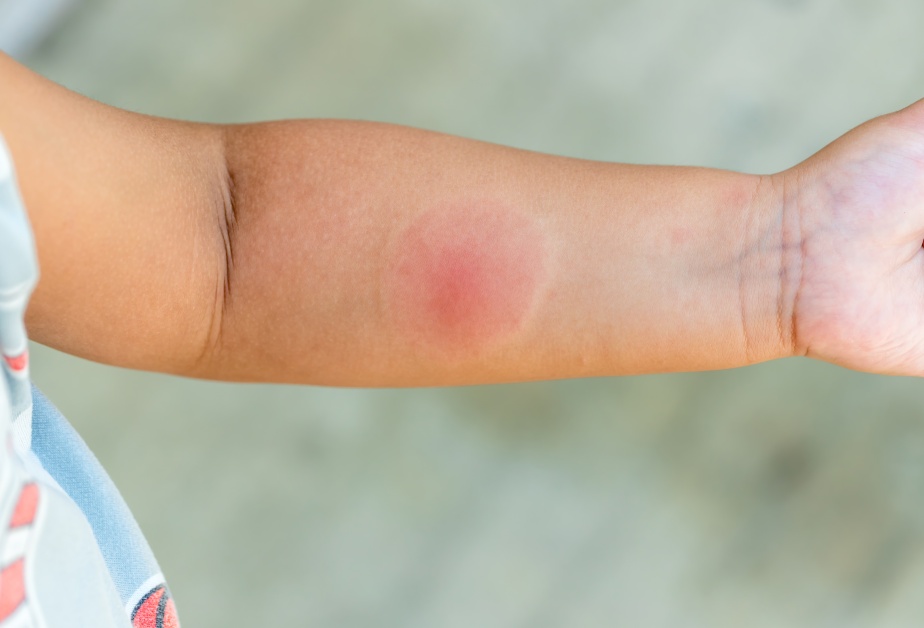
Local inflammation usually subsides within a few hours to a few days. Swelling can reach several centimeters or more. With bee stings, it’s especially important to remove the stinger promptly to reduce venom release and ease symptoms.
In people with hypersensitivity, a systemic allergic reaction (anaphylaxis) may occur, with symptoms such as difficulty breathing, body rash, swelling of the face or throat, dizziness, and a drop in blood pressure—requiring emergency medical attention.
First Aid at Home for Bee and Wasp Stings
Timely action can significantly relieve symptoms and prevent serious complications. Here’s what to do step by step:
Remove the stinger (only for bee stings): Use the edge of a credit card or a blunt knife, being careful not to squeeze the stinger. Avoid tweezers—they may push more venom into the skin.
Wash the area with soap and water to reduce the risk of infection.
Apply a cold compress: Wrap ice in a cloth and hold it on the area for 10–15 minutes to reduce pain and swelling.
Take antihistamine tablets, especially if you’re prone to allergic reactions. Consult a pharmacist or doctor for the appropriate dosage.
Avoid scratching the area to prevent further irritation or secondary infection.
Home remedies like a paste of baking soda and water may help with mild reactions. While not scientifically proven, they may relieve discomfort.
For more pronounced swelling (especially from a bee sting), a corticosteroid cream may be used—but only after consulting a medical professional.
Popular remedies like vinegar or baking soda are often used with the idea of neutralizing the venom—vinegar for wasp stings, baking soda for bee stings. However, there’s no scientific evidence of significant effect, and they are not recommended as routine treatment. Still, they are not harmful when applied locally.
If symptoms worsen or signs of an allergic reaction appear, seek medical help immediately.
When to Seek Medical Help
Most stings are harmless, but some symptoms require urgent medical attention. Contact emergency services or a doctor immediately if any of the following occur:
- Difficulty breathing or swallowing – may indicate a severe allergic reaction.
- Swelling of the tongue, lips, or face – a dangerous symptom that can block airways.
- Dizziness, fainting, or rapid heartbeat – signs of a serious condition.
- Multiple stings – especially in children or adults with other health issues.
- Signs of infection – redness, pus, or increased temperature around the sting site.
In cases of severe allergic reaction (anaphylactic shock), life may be at risk within minutes. If you have an epinephrine auto-injector (e.g., EpiPen), use it immediately. If not, call an ambulance right away.
If swelling in the hand after a wasp sting doesn’t subside within 48 hours or worsens, consult a doctor. Repeated stings deserve special attention, as sensitivity to venom may increase over time.
How to Protect Yourself
Prevention is the best way to avoid stings. Here’s what you can do:
When visiting outdoor areas like forests, meadows, or gardens, wear light-colored, fitted clothing – bright colors and loose, flowing clothes can attract bees and wasps.
Avoid sudden movements when an insect approaches – don’t swat at it.
Keep food and drinks covered, especially sweet ones, when outdoors.
Check bottles and cans before drinking.
Install screens on windows and doors.
Look for nests before mowing the lawn or working in the garden.
Avoid walking barefoot, especially on grassy areas or near flowers.
If you know you have an allergy, carry an epinephrine auto-injector and inform those around you how to respond in an emergency.
Keep your yard and garden clean from food scraps and sugary drinks that may attract wasps.
Avoid strong perfumes and scented lotions, especially when going into nature, as they attract insects.
Conclusion
A bee or wasp sting is an unpleasant and often painful experience, but in most cases, it’s not seriously dangerous. It’s important to be well-informed about the behavior of these insects and your body’s reactions so you can respond appropriately in case of an incident. Timely removal of the stinger, use of appropriate relief methods, and careful monitoring of symptoms are key to quick recovery.
Special attention should be given if you have an allergy—carry the necessary medications and know when to seek emergency help. This way, you can avoid serious complications and enjoy summer days outdoors with peace of mind.
With knowledge, preparation, and responsible care for yourself and your loved ones, the risk of stings and related issues is significantly reduced, and summer outings remain pleasant and stress-free.
Frequently Asked Questions
How long does swelling last after a bee sting?
Usually 1 to 3 days. If it lasts longer or worsens, consult a doctor.
Can a sting cause an allergy if the person hasn’t had problems before?
Yes, it’s possible that initial stings don’t cause serious reactions, but with repeated stings, the risk of allergic reaction and anaphylaxis increases. That’s why it’s important to monitor each subsequent sting carefully.
How long after a sting can allergic reactions appear?
Allergic reactions usually occur within a few minutes to an hour after the sting. In rare cases, symptoms may be delayed for several hours, so it’s important to monitor the condition for at least a few hours after the incident.