


What is contact dermatitis?
What are the types of contact dermatitis?
Who is at risk of developing contact dermatitis?
What causes contact dermatitis?
What are the symptoms of contact dermatitis?
How is contact dermatitis diagnosed?
What are the treatment options for contact dermatitis?
How can you prevent contact dermatitis?
Frequently Asked Questions
Can contact dermatitis become chronic?
Is there a connection between stress and contact dermatitis?
Is it possible to develop a tolerance to the allergen causing the condition?
What is contact dermatitis?
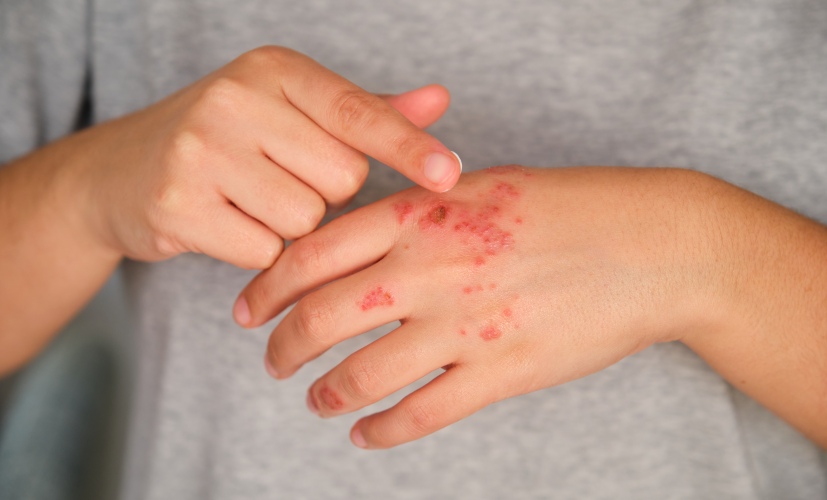
Contact dermatitis is a skin rash that most commonly affects the hands but can also appear on other parts of the body, such as the face, neck, ears, legs, underarms, abdomen, and groin. It occurs after direct exposure to an irritant or allergen, and the intensity of symptoms may vary depending on how long the skin is exposed and the individual’s sensitivity.
What are the types of contact dermatitis?
There are two main types:
- Allergic contact dermatitis – This form results from an immune response to a specific allergen, triggering inflammation in the skin.
- Unlike irritant contact dermatitis, the reaction is delayed and may occur hours or days after contact. Symptoms often include redness, itching, and sometimes blisters.
- Irritant contact dermatitis – This form is caused by direct contact with a harsh substance. It typically manifests immediately with symptoms such as dryness, cracking, redness, and a burning sensation.
Who is at risk of developing contact dermatitis?
While anyone can develop contact dermatitis, some individuals are at higher risk:
- Construction workers
- Healthcare professionals
- Florists
- Food industry workers
- Hairdressers
- Janitors
- Plumbers
- Mechanics
- Artists
- People with a history of other forms of dermatitis
What causes contact dermatitis?
As previously mentioned, contact dermatitis is triggered by exposure to an irritant or allergen. Common culprits include:
- Rubber gloves
- Bleach
- Laundry detergents
- Hair products
- Soaps
- Plants
- Fertilizers and pesticides
- Nickel (commonly used in jewelry)
- Certain antibiotic creams
- Balms
- Ingredients in cosmetics (e.g., formaldehyde)
- Shower gels
- Household dust
- Pollen
- Some sunscreens
In children, triggers can include substances in diapers, scented baby wipes, synthetic or poorly processed fabrics, and preservatives in baby skincare products.
What are the symptoms of contact dermatitis?
The condition can affect any body part. The severity of symptoms depends on the type of dermatitis, skin sensitivity, and exposure duration. Symptoms usually last between 2 and 4 weeks, but may persist longer in some cases.
Common symptoms include:
- Itchy rash
- Dark patches on the skin (hyperpigmentation)
- Dryness
- Cracking
- Peeling
- Swelling and fluid-filled blisters
- Redness and inflammation
- Burning sensation
- Increased sensitivity
- If you notice skin changes or experience any of the symptoms listed above, it's advisable to consult a dermatologist promptly. I
- gnoring the issue may lead to worsening symptoms and more difficult treatment.
How is contact dermatitis diagnosed?
To diagnose contact dermatitis, you should see a dermatologist. After a physical exam, the doctor may ask:
- How long you've had the symptoms
- Whether you’ve changed your skincare routine recently
- If you’re frequently exposed to irritants or chemicals
- Whether you use protective gloves or clothing at work
- To rule out other skin conditions (such as atopic dermatitis), your doctor may perform a skin biopsy — a sample taken for microscopic examination.
What are the treatment options for contact dermatitis?
Treatment depends on the type, severity, and duration of the condition. Before exploring treatment options, it's essential to emphasize that self-treatment is not recommended, as using the wrong product may worsen symptoms.
Medications
Depending on the type and severity, a doctor may prescribe:
- Topical corticosteroids – Used in mild to moderate cases. Follow the doctor's instructions closely and do not stop treatment abruptly to avoid flare-ups or additional irritation.
- Oral antihistamines – Help quickly relieve itching and allergic reactions.
- Oral corticosteroids – Prescribed for severe cases, usually for short periods due to potential side effects (e.g., stomach pain, high blood pressure). Only take them as directed by your doctor.
- Immunosuppressants – In rare, treatment-resistant cases, a doctor may prescribe drugs that suppress the immune response.
Alternative skin care methods
You may also relieve symptoms with supportive home care:
- Avoid hot water – It can worsen discomfort. Use lukewarm water for bathing and handwashing.
- Cold compresses – Apply a cold, damp cloth to the affected area for about 15 minutes, twice daily, to reduce inflammation.
- Avoid scratching – Scratching can worsen irritation and increase infection risk.
How can you prevent contact dermatitis?
While not always preventable, you can reduce your risk significantly:
- Use skin-friendly products – Choose cosmetics, soaps, and creams with minimal irritants.
- Keep skin hydrated – If your skin is dry or sensitive, moisturize daily with dermatologist-recommended creams.
- Wear protective gloves – Use gloves when handling cleaning agents or working with irritants.
- Wear protective clothing – If you're regularly exposed to irritants at work, proper protective gear is essential.
Conclusion
Contact dermatitis is a common skin condition that can cause significant discomfort if not managed promptly. If you experience redness, itching, or rashes, consult a dermatologist to determine the cause and receive appropriate treatment.
This article is for informational purposes only and does not replace professional medical advice. For more health-related content, visit our health portal.
Frequently Asked Questions
- Can contact dermatitis become chronic?
Yes, repeated exposure to irritants can lead to chronic inflammation, persistent itching, and thickening of the skin, which can significantly affect quality of life and self-esteem. - Is there a connection between stress and contact dermatitis?
While stress doesn’t directly cause contact dermatitis, it can worsen symptoms by weakening the skin barrier and increasing inflammation due to elevated cortisol levels. - Is it possible to develop a tolerance to the allergen causing the condition?
No. In allergic contact dermatitis, sensitivity to the allergen usually persists for life, as the immune system continues to recognize it as a threat. Though reactions may lessen over time, avoiding the trigger remains the most effective prevention strategy.