

Several times a year, our bodies need cleansing to cut toxins and maintain health and energy. This can be achieved easily through a lighter diet and limiting harmful foods. It’s not about extreme fasting but rather abstaining from fatty meats, baked goods, and sugar.
If you find it difficult to follow diets or create a cleansing regimen on your own, you can take advantage of the dietary rules during what is known as the Great Lent (Easter Lent). Canon law defines it as the strictest fast for Orthodox Christians, but dietetics specialists allow it to be adapted individually for each person. You do not have to follow it strictly, but the more serious you are, the greater the benefits for your body.
THE CANON
In 2021, Easter Lent begins on Monday, March 15, after Cheese fare Sunday, and continues until May 2, when we celebrate the Resurrection of Jesus Christ. For Orthodox Christians, the strict fast begins a week earlier, on March 7, with the exclusion of all meat from the menu. This always happens on a Sunday, known as Meat fare Sunday. The following Sunday, Cheese fare Sunday, is the last day dairy products and eggs can be consumed.
Modern advocates of healthy eating say that Easter Lent is a "vegan" fast because it allows only plant-based food. All animal-derived products, including animal fats, are excluded from the menu. The only difference from a vegan diet is that certain invertebrate animals, such as mussels, snails, and octopuses, are considered fasting food according to the canon. Wine is also allowed but in limited quantities and only on weekends.
The strictest fasting days are Monday, Tuesday, and Wednesday of Holy Week (March 26 – May 2), as well as the first five days of the week in which Easter Lent begins (March 15 – 19). The strictest fast is on Good Friday (April 30), when no food or drink is consumed at all.
THE FOOD
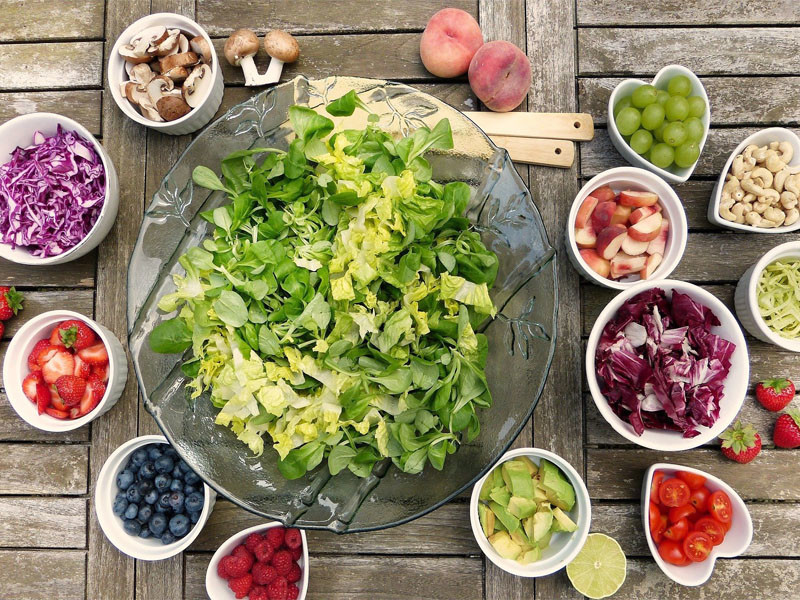
Don't imagine that you will starve during Easter Lent. Yes, you will focus on plant-based foods, but you will surely be surprised by the variety nature offers.
- Fruits and vegetables – unlimited choice based on personal preference, without worrying about calories or carbohydrate content.
- Soy and plant-based products – including "vegan" dairy alternatives like coconut and almond milk, soy cheese, and even soy-based sausages.
- Bread, baked goods, and pasta – only whole-grain or made from cereals, without milk, eggs, or animal fats (check labels carefully).
- Legumes – beans, rice, peas, lentils, wheat, chickpeas.
- Nuts – all kinds, raw or roasted.
- Fish and invertebrates – mussels, snails, octopuses, and others, only on permitted days.
THE BENEFITS
Consuming uniform food for an extended period allows the body to find and drop all accumulated and unnecessary elements. First to go are toxins that disrupt and slow down various metabolic processes. The body cleanses itself at the cellular level, destroying weak and defective cells responsible for many diseases.
A more noticeable effect is the surge of energy you will feel. This is a natural process since the body’s biosynthesis is enhanced, and thanks to cleansing, all essential nutrients, vitamins, and minerals from food are absorbed more efficiently. As a result, you feel like a "new person," as all other bodily processes also improve:
- Healthier and better-quality sleep.
- Improved metabolism and faster digestion.
- Stronger memory.
- Better muscle tone and body condition.
- Improved mood and emotional balance.
- Lower body weight and better physical shape.
- Of course, these positive effects will be present only if your menu is diverse and does not consist of processed or packaged foods, chips, corn snacks, soft drinks with sweeteners, and enormous amounts of refined flour.
THE RISKS
Experts caution against completely excluding proteins during fasting, as they are fundamental building blocks in the body and play a vital role in immunity. However, they agree that deficiencies can be compensated for by consuming high-protein plant-based foods. Otherwise, insufficient protein intake can lead to vitamin A, D, and E deficiencies.
Additionally, meat and egg yolk are primary sources of iron. When iron levels are depleted, the body may develop anemia. The good news is that iron reserves won’t be exhausted within 40 days, even during strict fasting, as long as you are in good health. However, fasting should be avoided if you have pre-existing medical conditions and your doctor does not recommend a vegetarian diet.
Another piece of advice from dietitians is to avoid excessive consumption of pretzels, rice, and potatoes. While they are filling, relying solely on them can lead to constipation. Skin problems, brittle nails, and excessive hair loss are other potential consequences of dietary restrictions.
HELPFUL TIPS
- Compensate for the lack of animal protein with legumes and grains.
- Eat fruits and vegetables rich in vitamin C, as it enhances iron absorption (peas, cauliflower, cabbage, bell peppers, onions, sorrel, nets, beets, citrus fruits, apples, etc.).
- To get enough calcium, consume whole-grain bread, spinach, nettles, nuts, dried fruits, and beans.
- To avoid vitamin B deficiency, eat more grains.
- Drink plenty of water.
- Eat a varied diet every day.
Experts recommend that children, pregnant women, and individuals with weak immune systems refrain from fasting. For everyone else, fasting poses no risks and offers only benefits – not just for the spirit, but also for the body.