

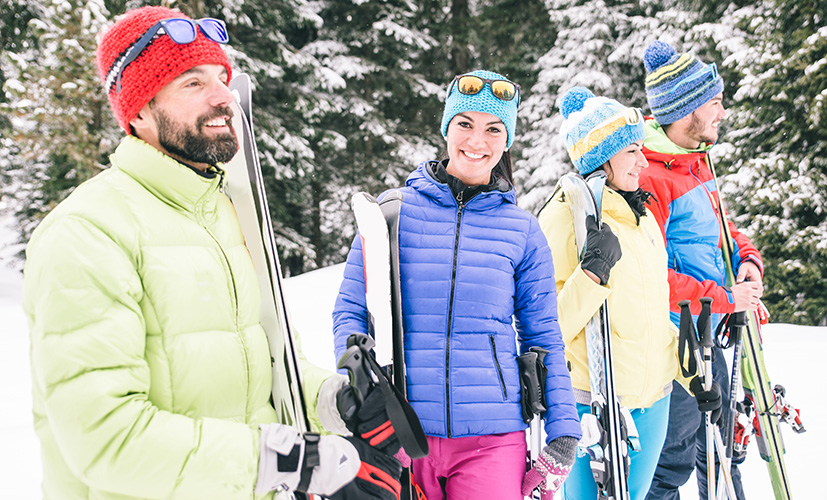
The coldest time of the year is just around the corner, and many of you have probably already planned a holiday filled with winter adventures. As fun as skiing, snowboarding, and other winter sports can be, they also come with certain risks. If you're a fan of winter sports, it's essential to know how to respond in case of an accident.
In this article, we’ll guide you through the first steps you should take in the event of an injury and introduce the basic supplies that your first aid kit should include.
Common Injuries in Winter Sports
Skiing and snowboarding are among the most popular winter sports. Their dynamic nature and high speeds increase the risk of falls and injuries. Some of the most common winter sports injuries include:
Sprains and strains – These are especially common among beginners due to improper movements or sharp turns that put stress on joints and muscles.
Concussions – Collisions and falls can cause head trauma. Wearing a helmet reduces the risk, but does not eliminate it completely.
Bruises and abrasions – Typically considered minor, but can still be painful and uncomfortable.
Dental injuries – Falls or collisions can damage or break teeth, which can be dangerous if fragments are inhaled.
Knee injuries – Knees are particularly vulnerable. Avoid jumping at high speeds to protect them.
Fractures and dislocations – Abrupt movements or falls can result in dislocated joints or broken bones such as arms, legs, collarbones, or the nose.
Symptoms of Sprains and Minor Injuries
If you've experienced an injury during a winter activity, you may notice symptoms such as:
- Sharp, throbbing pain
- Warmth around the injured area
- Swelling
- Weakness or stiffness
- Clicking or popping in a joint
- Difficulty moving the affected limb
- Inability to put weight on the injured leg
- If any of these symptoms are severe, seek immediate medical attention or call emergency services.
What to Include in Your First Aid Kit
Your first aid kit will vary based on your preferred sport and its associated risks. However, the following items are strongly recommended:
Bandages, gauze, and plasters – Elastic bandages for stabilizing sprains, sterile gauze for covering wounds, and plasters of various sizes for cuts and scrapes.
Antiseptic solutions and wipes – Use iodine or hydrogen peroxide for cleaning wounds, and disinfectant wipes to sanitize your hands.
Creams and gels – Cooling gels for injuries help relieve pain and reduce inflammation.
Pain relief medication – Consult your doctor to choose the most appropriate over-the-counter medication for pain and swelling.
Thick cloth or towel – Useful for making a cold compress with snow or ice.
To ensure your kit is complete, consult a healthcare professional who can advise on additional items specific to your needs.
First Aid Principles for Sports Injuries
If you sustain a mild to moderate injury, such as a sprain, follow these steps:
- Avoid putting weight on the injured area – Limit movement to prevent further damage.
- Apply ice or snow – Use a cold compress as soon as possible to reduce swelling and numb the area. Be cautious not to cause frostbite.
- Apply a topical pain relief cream and bandage – After icing, use a pain-relief gel and wrap the area to provide support.
If the pain is sharp and intense, you may be dealing with a fracture or dislocation. In this case, seek immediate medical help. If someone is with you:
- Have them call emergency services and help move you to a safe location.
- If there is bleeding, apply pressure with a sterile dressing or clean cloth.
- Apply a cold compress for no more than 10 minutes to avoid frostbite.
For deep cuts with heavy bleeding:
- Use a clean cloth to apply direct pressure to the wound.
- If you don’t have a cloth, disinfect your hands and press the wound with your palm.
- If the bleeding is severe or the wound may need stitches, seek emergency care to prevent infection.
For nosebleeds after impact:
- Sit down and lean forward slightly.
- Pinch your nostrils for about 10 minutes and breathe through your mouth.
- If the bleeding doesn’t stop, consult a doctor.
Recovery and Rehabilitation After Sports Injuries
Recovery from winter sports injuries requires patience and proper care. Your doctor may recommend: - Massage therapy – To relieve muscle tension and speed up recovery.
- Heat therapy – To reduce stiffness and promote circulation.
- Physiotherapy – Specific exercises to strengthen joints and muscles.
- Nutritional supplements – Vitamins or other supplements may support healing. Always consult a doctor or dietitian before starting new supplements.
Injury Prevention Tips
To minimize the risk of injury during winter sports: - Wear appropriate gear – High-quality boots, thermal clothing, gloves, and a helmet are essential.
- Check weather conditions – Avoid skiing or snowboarding in poor weather.
- Stay in shape – Regular exercise improves strength and flexibility, lowering your injury risk.
- Listen to your body – If you feel tired or dizzy, take a break. Pushing through can lead to accidents.
Conclusion
Winter sports are a great way to enjoy the cold season, but it’s important to be prepared for potential injuries. We hope this guide helps you respond appropriately in case of an accident.
This article is for informational purposes only and does not replace a consultation with a medical professional. For more helpful health-related articles, visit our health portal.