

A runny nose is a nightmare for any parent, especially when it's not related to common viruses. No one worries about a runny nose in winter, but when it appears in spring or summer, it immediately raises concerns.
In most cases, it's due to the so-called pollen allergy, which triggers allergic rhinitis. As you may know, this is not an ordinary runny nose and requires special attention, especially when it affects the little ones at home.
INVISIBLE ALLERGENS
Like all other allergies, rhinitis is triggered by contact with a specific irritant. In young children, whose immune systems are still "learning" and are very sensitive to external factors, these irritants often cause an immediate reaction—namely, swelling of the nasal mucosa and excessive secretion.
Unfortunately, the real culprits are numerous and tiny, often invisible to the naked eye. The good news is that they are well-known to specialists and can easily be isolated:
Dust mites. These are tiny microorganisms that live in dust and feed on skin debris—fabric fibers, dandruff, dead skin cells, hair, etc. They thrive in warm, humid environments with abundant food, such as pillows, curtains, carpets, upholstery, and other household textiles. Therefore, maintaining good hygiene at home is crucial for children sensitive to dust mites. It's the mites that trigger rhinitis, not the dust itself.
Pets of all kinds. This includes cats, dogs, guinea pigs, hamsters, rabbits, horses, and more. The problem is not the animals themselves but the allergens they spread through their fur. All animals lick themselves and transfer allergens via their saliva. Once on the fur, these allergens can easily transfer to any child or adult who pets them.
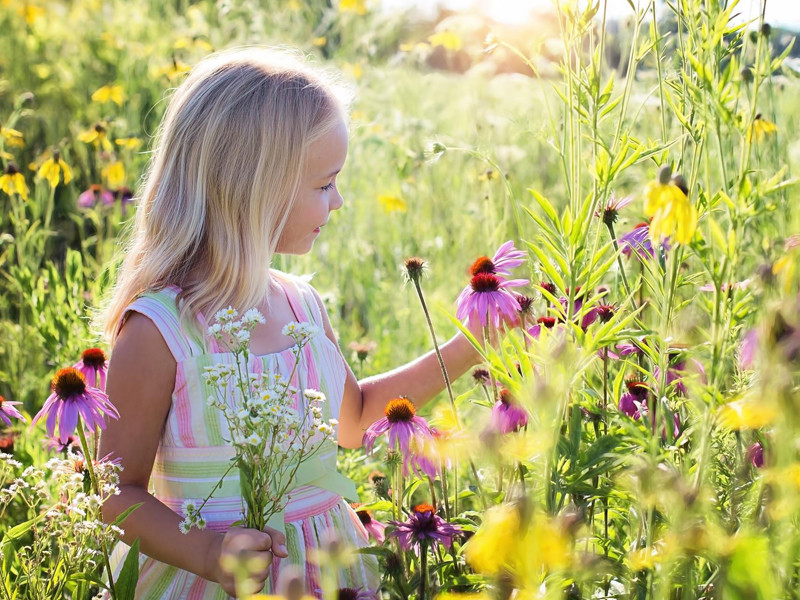
Airborne pollen. This is the pollen released during the blooming of trees, grasses, and weeds in spring and summer. It is often spread by the wind, but pollen can also stick to clothes, hair, skin, and pet fur. Pollen is invisible but irritates the nasal mucosa because it contains foreign cells that the child's body reacts to. Unfortunately, the pollen release process cannot be controlled, as it's the natural way plants reproduce. Therefore, many countries, including Bulgaria, maintain pollen calendars so that people can avoid exposure during peak blooming periods.
Mold spores. These include all types of fungi and mold that typically form in damp places. You can find them on walls, in flower pots (including the soil), in the refrigerator, in the bathroom, and on food. Don't underestimate them, as children's nasal and respiratory tract mucosa are highly sensitive to spores, which can provoke severe coughing, shortness of breath, or an asthma attack.
TYPICAL SYMPTOMS
The reactions that indicate "hay fever" are easy to spot, especially outside the season for traditional winter respiratory and viral infections:
- Itchy nose
- Itchy, red, and watery eyes
- Persistent nasal congestion
- Burning and dryness in the throat
- Persistent runny nose with clear and watery but abundant secretion
- Symptoms of allergic rhinitis are often mistaken for those of a "cold," which can delay diagnosis. One key characteristic of this type of allergy is its recurrence under the same circumstances. Be observant, and if your child develops a runny nose every time you visit the park in April, look for the cause in the blooming trees. Even without concrete suspicions, consulting an allergist will always be helpful.
TYPES OF ALLERGIC RHINITIS
Intermittent. It occurs for less than four days per week or four weeks per year because the allergens are present only during certain times of the year. It is usually caused by pollen and mold, but identifying the exact allergen requires special allergy tests.
Persistent. It lasts for more than four days per week or four weeks per year because the irritants are present year-round. These are usually dust mites, mold, or workplace allergens. Food or spices rarely cause persistent rhinitis.
HOW IMPORTANT IS DIAGNOSIS?
In one word—very! Without a proper examination or test to identify the allergen, adequate treatment is impossible.
Two diagnostic methods are commonly used in practice:
- Skin prick tests. This is the most popular method in allergology but is applied to children over 2-3 years old and outside the acute phase of the allergic reaction. Different allergens are applied to the inner forearm, followed by a small prick to allow the allergen to penetrate the skin. If the body reacts, a characteristic redness or sometimes a bump appears. The size of the redness and bump determines the severity of the allergic reaction.
- Specific Immunoglobulin E (IgE) blood test. This test can detect antibodies that the body creates against a specific allergen. Based on the reaction to a particular allergen, the cause is identified. The test is conducted through venous blood sampling. Its advantage is that there are no age restrictions and no need to stop medication.
IS TREATMENT NECESSARY?
The answer is a resounding yes. According to national statistics, allergic rhinitis affects one in four people in Bulgaria, and childhood allergies are among the leading pediatric illnesses. Untreated "hay fever" in children under six often develops into asthma in 80% of cases, specialists warn.
Methods for treating allergies in children often combine several approaches:
- Oral drops, syrups, and tablets mainly relieve itching, sneezing, nasal discharge, and, to a lesser extent, nasal congestion.
- Nasal antihistamines act locally and have strong anti-inflammatory effects without side effects.
- Nasal sprays with anti-inflammatory action relieve all symptoms of allergic inflammation—sneezing, itching, discharge, and nasal congestion. They are used from the age of 4-6. Modern nasal corticosteroids act locally, are barely detectable in the blood, and do not cause nasal mucosa atrophy.
However, the best treatment for childhood allergies is limiting contact with allergens that trigger the reaction. Here are some recommendations:
- Keep the home as dust-free as possible—avoid carpets, heavy curtains, and fluffy covers.
- Maintain a temperature of 18-20°C and ventilate frequently.
- Change bed linen often and wash it at 60°C.
- Use synthetic bedding and special mattress covers.
- Wash plush toys frequently at 60°C or leave them in the freezer overnight.
During the pollen season:
- Limit outdoor activities in parks and gardens during peak hours in hot and windy weather.
- Change clothes and wash eyes, nose, and face thoroughly after walks.
- If in the mountains, stay above 1500 meters, where there are no blooming trees or grasses, or vacation near the sea or water bodies.
- Ventilate your home at night.
- Use a damp cloth to clean surfaces and a vacuum cleaner with a water filter.
- Avoid hanging clothes outdoors.
- Avoid using air conditioning at home or in the car.
- Stay healthy and enjoy nature without allergens!