

What Do You Think When You See a Thermometer Above 37°C?
"I caught the flu again! Time for bed!" Or maybe, "I can't afford to take sick leave right now!" Or even, "This is serious! I need to see a doctor immediately!"
Many people panic at the sight of a fever, especially when it comes to children. But there are also those who understand that the best approach in such situations is to stay calm and allow the body to fight the illness naturally.
It's a well-known fact that fever has numerous benefits. Believe it or not, it is the only visible proof that the body is actively responding to harmful external factors that threaten to make us sick. In other words, fever is a clear sign of a well-functioning and healthy immune system. Google seems to agree, as the phrase "Fever is beneficial" ranks among the most searched health-related queries online.
Fever on the Radar
Fever is a warning signal—an alarm that activates when the body detects a problem. This could be a rapidly spreading virus or a bacterial infection that the immune system needs to fight. As soon as the body identifies the threat, it triggers a response to eliminate it.
Scientists have discovered that for every 1°C rise in body temperature, the speed of biochemical reactions increases by approximately 1 million times. This accelerates the body's response to any invading pathogens.
When fever sets in, the body activates cytotoxic T-cells (CD8+ lymphocytes), which are specialized immune cells capable of destroying virus-infected cells. Additionally, it boosts the production of white blood cells and interferons (proteins that stimulate the immune system), helping to combat harmful bacteria and viruses. Levels of neutrophils—unique immune cells that specifically target harmful bacteria—also rise, and enzyme activity improves, creating an unfavorable environment for harmful microbes.
Fever has one primary function: to put microbes in extreme conditions where they struggle to survive. For example, most bacteria cannot survive at 38.3°C, and at 38.8°C, viruses lose their ability to replicate and spread within the body. This means that, in most cases, the body can naturally fight off infections on its own.
Why Do We Panic?
In 1980, renowned pediatrician Barton Schmitt introduced the term "fever phobia" to describe parents' fear when their children develop a high fever. This fear is often accompanied by an overwhelming urge to bring the fever down as quickly as possible. Unfortunately, nearly 40 years later, over 90% of adults still believe that high fever is dangerous and should be treated immediately to prevent complications.
However, numerous studies suggest that the real danger lies in lowering fever too quickly or unnecessarily. When we artificially reduce fever, we essentially "put the immune system to sleep", tricking it into thinking the infection is gone. This only prolongs illness.
There are indeed "magic pills" that can make us feel better in a day, but if the body hasn't successfully fought off the infection, it often returns even stronger once the medication wears off.
For this reason, doctors generally do not recommend lowering a fever unless it reaches critical levels. Instead, they suggest focusing on alleviating side effects like headaches, dizziness, muscle aches, or nasal congestion—without interfering with the immune system's natural response.
When Does Fever Become Dangerous?
Medical professionals classify fever into three categories:
37.3°C – 38.3°C: Mild fever
38.4°C – 39.7°C: Moderate fever
Above 39.8°C: High fever
If your temperature falls within the first range, your doctor will likely not prescribe fever-reducing medication. Instead, they may advise you to stay at home and rest for a day or two. Mild fevers are usually manageable without intervention.
If your fever is moderate, you'll likely want to stay in bed due to discomfort. You might be prescribed anti-inflammatory drugs, but fever-reducing medication is generally not recommended unless the temperature reaches 39°C. If the fever is not caused by a severe infection, it can usually be managed with rest, vitamins, and plenty of fluids.
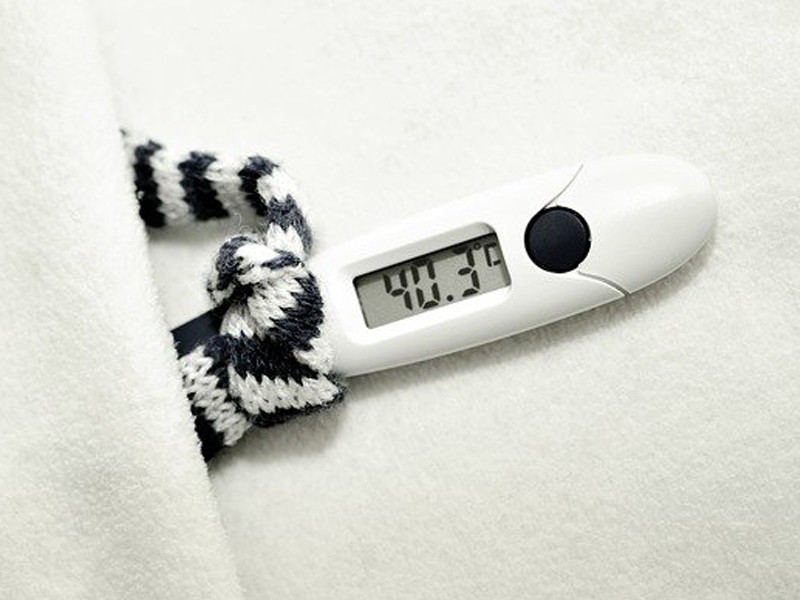
A serious risk to the body arises when the fever approaches or exceeds 40°C. This is considered the maximum threshold, beyond which immediate intervention is required. If the temperature rises above 42°C, proteins in the body, including those in the blood, begin to break down—an irreversible process that can have fatal consequences.
However, few people realize that the body has a built-in temperature regulation mechanism controlled by the brain. This system prevents body temperature from exceeding 41°C under normal circumstances. When facing an infection, the body intentionally raises the temperature to specific levels—high enough to kill pathogens but not harm its own cells. In extreme cases, the body may even sacrifice some healthy microbes in the fight for survival.
How to Help Yourself?
A fantastic way to support your body when dealing with a cold or flu with a mild fever is to increase fluid intake and replenish electrolytes. This includes drinking freshly squeezed lemon juice, warm tea, and vitamins. Since fever causes fluid and electrolyte loss, replenishing them can help the body fight infection more efficiently.
Many doctors also recommend avoiding sugary foods when you have a fever. A piece of chocolate or a cookie with tea might provide temporary comfort, but it does nothing to help the immune system. In fact, sugar creates acidity in the body, which can weaken the immune response.
The best approach is to consume alkaline foods, such as root vegetables (carrots, turnips, beets), cabbage, and leafy greens. These foods help keep a balanced pH, supporting immune function.
If, despite proper hydration and diet, the fever reaches 38.5°C in adults or 39.5°C in children, it may be time to take initial measures to lower it—but only by 0.5 to 1°C, according to doctors. This way, you help the body without suppressing its immune response.
When to See a doctor?
Medical attention is necessary if:
- Your fever exceeds 39.4°C.
- You have had a fever above 38°C for more than four days.
- You experience breathing difficulties, convulsions, or extreme weakness.
- In such cases, immediate consultation with a specialist is needed.