

Contents
What is a stroke
Main symptoms of a stroke
Why the first hours after a stroke are critical
What to do if you suspect a stroke
Can a stroke be prevented
When to seek medical help
Conclusion
Frequently Asked Questions
A stroke is one of the most serious medical conditions people can face. Quick recognition of symptoms and timely intervention can save lives and significantly improve recovery. In this article, you’ll learn what a stroke is, its main signs, why urgent response is crucial, and what prevention and rehabilitation options exist.
What Is a Stroke?
A stroke is an acute disruption of blood circulation in the brain, leading to damage of brain tissue. There are two main types of stroke:
Ischemic stroke – the most common type, accounting for about 85% of all cases. It’s usually caused by atherosclerosis, high blood pressure, or atrial fibrillation. A blood vessel supplying a part of the brain becomes blocked, and cells begin to die within minutes. The brain cannot store oxygen, making it extremely vulnerable.
Hemorrhagic stroke – less common but with more severe consequences. It’s most often caused by a sudden rise in blood pressure or the presence of brain aneurysms. The bleeding puts pressure on brain tissue and damages it.
There is also a condition called transient ischemic attack (TIA), also known as a “mini-stroke.” It involves a temporary interruption of blood supply without lasting damage, but it is a clear warning sign of future stroke risk.
It’s important to note that stroke doesn’t only affect older adults. It is increasingly seen in younger people, mainly due to sedentary lifestyles, high stress levels, and unhealthy habits. Knowing the causes and symptoms is key to timely recognition and response.
Main Symptoms of a Stroke
Early recognition of stroke symptoms can save lives. One of the most reliable and widely used methods for quick assessment is the FAST test:
- Face – check if one side of the face droops when smiling
- Arms – see if both arms can be raised evenly
- Speech – listen for slurred or strange speech
If you notice any of these signs, don’t waste a minute—seek emergency medical help immediately.
Other symptoms to watch for include:
- Sudden dizziness
- Coordination problems
- Loss of vision
- Severe headache without a clear cause
- Sudden loss of consciousness or confusion
Sometimes symptoms disappear quickly, which can create a false sense of safety. But this may be a transient ischemic attack (TIA)—a “mini-stroke” that warns of increased risk for a full stroke.
Why the First Hours After a Stroke Are Critical
The first 3 to 4.5 hours after symptom onset are known as the “therapeutic window.” This is the time during which thrombolysis—medication to dissolve the clot causing an ischemic stroke—can be administered.
The sooner treatment begins, the greater the chances of full recovery. Every minute of delay results in the loss of about 1.9 million brain cells, which seriously affects speech, movement, and memory.
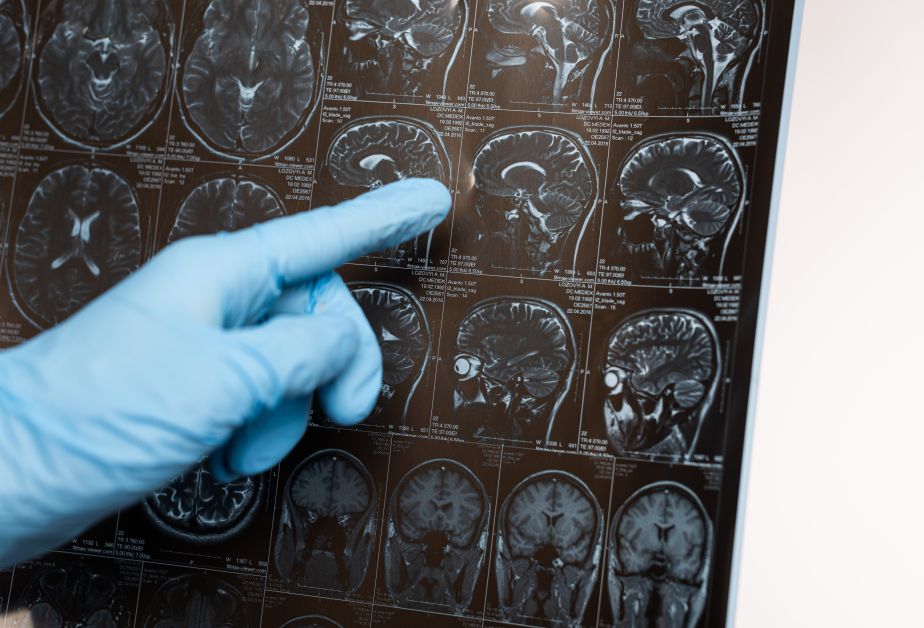
In a hospital setting, CT scans or MRI are performed to determine the type of stroke. Thrombolysis is only allowed for ischemic strokes. For hemorrhagic strokes, treatment focuses on controlling the bleeding.
That’s why it’s crucial to recognize symptoms early and seek medical help without delay—it can save a life.
What to Do If You Suspect a Stroke
At the slightest suspicion of a stroke, emergency help must be sought immediately. The first thing to do is call 112. While waiting for the emergency team, lay the person down with their head slightly elevated and do not give them food, water, or medication.
Stay with them and monitor for changes in breathing or consciousness. If possible, note the exact time the symptoms began, as well as any unusual signs you observed. Prepare personal documents and a list of medications the person is taking, if applicable.
Do not attempt to transport the person to the hospital yourself, unless absolutely necessary. Medical teams have the equipment and expertise to begin life-saving treatment en route to the hospital.
Can a Stroke Be Prevented?
Prevention is entirely possible and begins with controlling the main risk factors. High blood pressure, type 2 diabetes, elevated cholesterol, and a sedentary lifestyle are among the leading causes of ischemic stroke. Smoking and excessive alcohol consumption also significantly increase the risk.
Atrial fibrillation is a condition that often goes unnoticed but is directly linked to clot formation. That’s why, if you have arrhythmias or a family history of cardiovascular issues, regular cardiology checkups are recommended.
A balanced diet, regular physical activity, maintaining a healthy weight, and stress reduction are key to prevention. It’s also important to follow medical advice for chronic conditions.
When to Seek Medical Help
Seek medical attention if you experience symptoms such as numbness in limbs, speech difficulties, sudden headache, dizziness, or loss of coordination. Even if these symptoms last only a few minutes, they may be a warning sign of an impending stroke.
People with high blood pressure, heart disease, diabetes, or a family history of cardiovascular problems should be especially vigilant and not skip routine checkups. Specialists can detect conditions that increase stroke risk and prescribe appropriate treatment or monitoring.
If you’ve already had a stroke, regular follow-ups and maintaining contact with a neurologist and general practitioner are essential to prevent a second episode.
Conclusion
A stroke is sudden and can affect people of any age. Timely recognition of symptoms, appropriate response, and seeking emergency help can save lives. The first hours are the most critical—every minute counts.
Learn to recognize stroke symptoms, act quickly, and encourage your loved ones to maintain a healthy lifestyle. Prevention, awareness, and personal responsibility are key to avoiding serious consequences.
If you’ve already experienced a stroke or are caring for someone in recovery, know that rehabilitation is possible. It requires patience, consistency, and support from medical professionals.
This article is for informational purposes and does not replace medical advice. If you suspect a stroke, seek emergency medical help immediately.
Frequently Asked Questions
How long does recovery from a stroke take?
Recovery depends on the type and severity of the stroke. With ischemic stroke and timely, appropriate treatment, recovery may be faster and last from several months to a year. Hemorrhagic stroke, which is more severe, often requires longer rehabilitation and complex therapy.
Can a stroke occur without symptoms?
Yes, in rare cases, so-called “silent strokes” occur, where damage is only detected through imaging tests.
What does stroke rehabilitation include?
Physical therapy, speech therapy, psychotherapy, and support in adapting to daily life.