


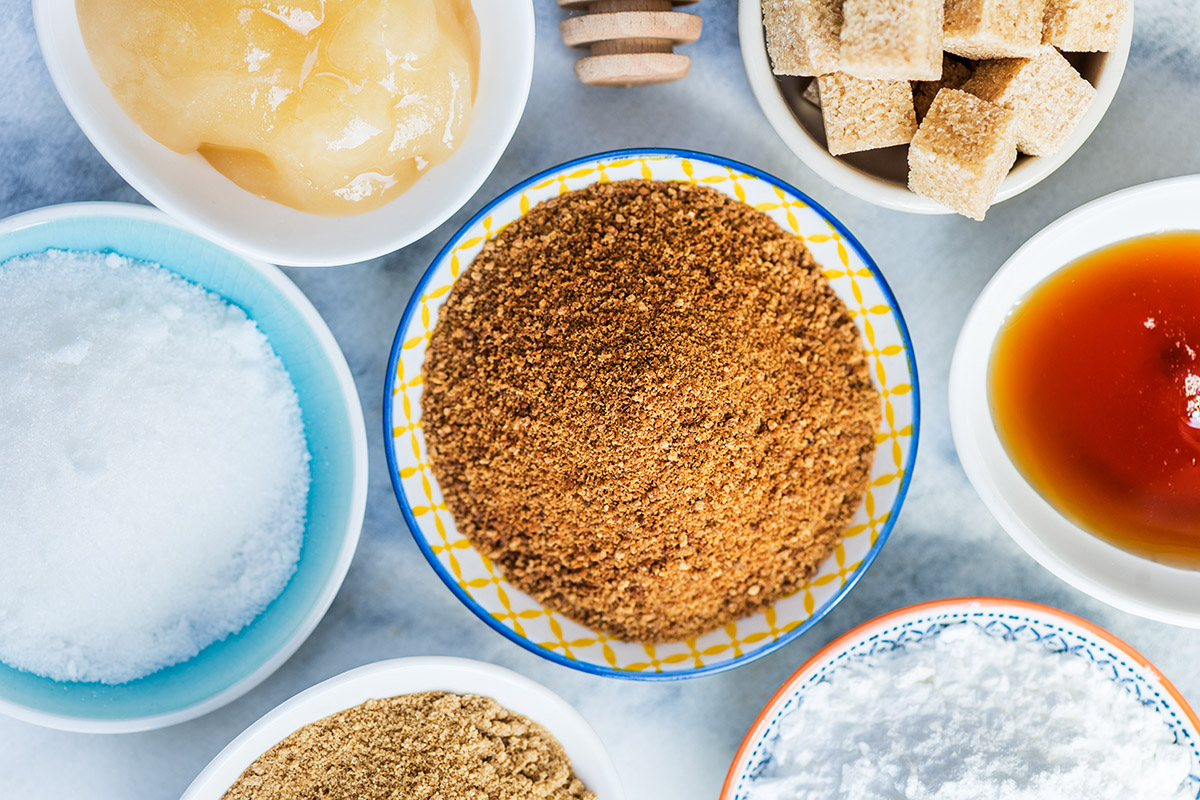
Sugar is a product that likely tempts many people with its sweetness. However pleasant its taste may be, regular consumption can lead to a number of health-related issues. If you want to stop consuming sugar but don’t want to give up sweets, we recommend reading this article to the end. We’ll discuss in more detail the harm sugar can cause to the body and share some natural alternatives you can use to replace it, helping you lead a healthier lifestyle.
Consequences of Excessive Sugar Intake
Consuming sugar is something that can easily be overdone. In recent years, the intake of this sweetener has increased significantly, and this has had a serious effect on human health. Let’s now talk about some of the main problems that white sugar can cause.
Overweight
One of the main consequences of excessive sugar intake is weight gain. This sweetener contains a lot of calories, but it doesn’t provide the body with the essential nutrients it needs to function properly. That’s why these are often called “empty calories,” which can only be converted into fat reserves and lead to an increase in body mass.
Type 2 Diabetes
Type 2 diabetes is another issue that can be caused by sugar consumption. If you frequently consume foods or drinks containing this sweetener, your body may start releasing large amounts of the hormone insulin. This can make your body overly sensitive to it, leading to insulin resistance. If this happens, there is a risk of developing type 2 diabetes. This condition brings with it a number of consequences, some of which affect the cardiovascular and nervous systems, kidneys, and vision.
Cardiovascular Diseases
Cardiovascular problems are another possible consequence of excessive sugar consumption. As mentioned, they can develop as a result of diabetes, but they can also occur without the presence of other diseases.
If you frequently consume white sugar, it may lead to an increase in bad cholesterol levels in your body. This can cause fatty plaques to build up on the walls of your arteries, making it harder for blood to flow to the brain and heart, increasing the risk of stroke or heart attack.
Metabolic Issues
Excessive sugar consumption can disrupt metabolic function and hinder your body’s ability to process and use the energy it gets from food. This can lead to abdominal pain, bloating, nausea, and more. Additionally, sugar intake can cause a constant feeling of fatigue and slower calorie burning factors that can make it difficult to maintain a healthy weight.
Fatty Liver
Sugar can also cause fatty liver. If you frequently overconsume this sweetener, your liver may start converting it into fat, which can lead to inflammation and damage. If this happens, you may experience symptoms such as abdominal pain, constant fatigue, nausea, loss of appetite, sudden weight loss, yellowing of the skin, etc. If you experience one or more of these symptoms, it is strongly recommended to contact a doctor immediately. Ignoring them could lead to the development of diabetes or cirrhosis.
Dental Problems
Sugar is a major culprit behind some dental issues. If you consume it often, it can damage the enamel and cause cavities. If you don’t take regular care of your teeth, this could lead to more serious consequences requiring urgent dental intervention.
Anxiety, Stress, and Depression
Anxiety, stress, and depression are conditions that can be triggered by excessive sugar intake. If you frequently consume sweeteners, it may cause fluctuations in your blood sugar levels, which in turn can lead to sudden mood swings. This can become a source of emotional stress, creating a sense of anxiety. In some cases, anxiety can lead to depression, and sometimes even to the development of more serious mental disorders.
If you want to read more on the topic of stress, you can check out our related article [here].
Which Natural Sweeteners Can Replace Sugar
Now that you're familiar with the harm sugar can cause, you're probably interested in learning about its healthier alternatives. In the following lines, we’ll discuss some natural sweeteners you can use instead of sugar. Of course, it’s important to mention that each of these products should be consumed in moderation. If you're unsure about the recommended daily intake, we advise consulting a specialist.
Stevia
Stevia is a plant native to South America. This natural sweetener contains zero calories and zero carbohydrates, making it a great choice for those on a diet who want to lose weight.
If you have diabetes, stevia is the most suitable natural sugar substitute. It not only doesn’t raise blood sugar levels but also helps regulate them.
When buying stevia, always check the product label. We recommend purchasing only pure stevia, not blends with other sweeteners, as these can cause digestive issues in some people.
Erythritol
Erythritol is a natural sweetener found in some fruits, such as melons and pears. It’s a good alternative to white sugar and is also suitable for people looking to lose weight, as it contains very few calories. Like stevia, it doesn’t affect blood sugar levels, making it ideal for diabetics. Best of all, erythritol is relatively inexpensive, making it accessible for those who want to lead a healthy lifestyle.
Xylitol
Xylitol is a sweetener often confused with erythritol. It can also be found in fruits like plums and strawberries. One of its biggest advantages is its low glycemic index, meaning it has little effect on blood sugar. For this reason, it’s also safe for diabetics. If you choose xylitol, you can also rest assured about your dental health, as it doesn’t harm teeth and even helps prevent cavities.
Agave Syrup
Agave syrup is another good sugar substitute. It’s made from the juice of the agave plant, which undergoes special processing before reaching consumers. The syrup is low in calories, making it ideal for people on a diet. However, it’s important to know that it contains a high amount of fructose. Therefore, it should be consumed carefully and only in the amount recommended by your doctor.
Coconut Sugar
Coconut sugar is a sweetener extracted from the nectar found in the blossoms of the coconut palm. It’s an ideal substitute for white sugar, as it has a strong sweet taste and a low glycemic index. Coconut sugar also has light caramel notes, making it even more enjoyable. Additionally, it’s rich in vitamins and minerals that can benefit your health.
Honey
Honey is probably the most popular natural sweetener. It’s rich in antioxidants, vitamins, and other important substances that can boost your immune system. To enjoy all its health benefits, it should be consumed raw and not heat-treated. Otherwise, many of its beneficial properties may be lost.
Maple Syrup
The last natural sweetener we’ll mention is maple syrup. It’s derived from the sap of the maple tree and is rich in minerals and antioxidants that help reduce oxidative damage and neutralize free radicals in the body. Maple syrup has a distinctive aroma and flavor, making it a favorite for preparing healthy desserts. However, it’s worth noting that its glycemic index is higher than that of the other sweeteners mentioned, so it should be consumed in moderation.
Conclusion
As you’ve learned from this article, sugar can cause numerous health issues. To avoid them without giving up sweetness, it’s advisable to switch to a natural sweetener. We believe the natural alternatives we discussed can become part of your daily diet and help you maintain good health.
This article is for informational purposes only and does not replace consultation with a specialist. If you’d like to read more helpful articles, feel free to explore our health portal.