

Contents
What is painful menstruation
When menstrual pain is normal and when it’s a cause for concern
What tests and diagnostics are done for severe menstrual pain
Treatment and management of painful menstruation
How to help yourself and when to seek specialized care
Conclusion
Frequently Asked Questions
Menstrual pain is a common experience for many women, but it’s not always easy to determine where “normal” ends and concern begins. Sometimes the pain is part of the natural menstrual cycle; other times, it’s a sign of an underlying gynecological condition. In this article, we’ll explore what painful menstruation is, its causes, when medical advice is needed, and what options exist for relief and treatment.
What Is Painful Menstruation?
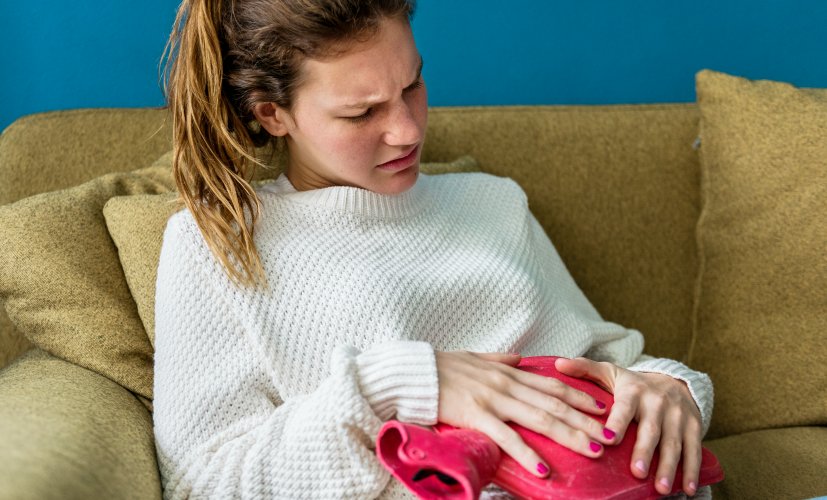
The term dysmenorrhea refers to painful menstruation, which can vary in intensity, duration, and accompanying symptoms. Most often, the pain is felt low in the abdomen or lower back and occurs during the first days of the cycle. It may be dull and constant or sharp and cramping, and can even radiate to the thighs. In addition to pain, other symptoms may include fatigue, nausea, diarrhea, or dizziness.
There are two main types of dysmenorrhea:
- Primary dysmenorrhea – not linked to any specific gynecological condition. It usually begins in adolescence and is associated with hormonal changes and elevated levels of prostaglandins, which cause strong uterine contractions.
- Secondary dysmenorrhea – related to a specific condition such as endometriosis, fibroids, or pelvic inflammatory disease. This type of pain is more intense and may change over time.
It’s important to note that painful menstruation often comes with other symptoms—heavy bleeding with clots, prolonged cycles, or pain during intercourse. When these signs appear together, it’s advisable to consult a specialist.
When Is Menstrual Pain Normal and When Is It a Cause for Concern?
Not all menstrual pain signals a problem. For many women, it’s a natural part of the monthly cycle, especially during the first 24 to 48 hours. This type of pain usually subsides with painkillers or home remedies and doesn’t significantly disrupt daily life.
Concern arises when the pain is more intense, lasts more than two days, or doesn’t respond to standard treatment. Special attention is needed when pain is accompanied by heavy bleeding, clots, dizziness, or pain outside the menstrual period.
Women who previously didn’t experience such pain but suddenly begin to should also take note. Progressively worsening symptoms may indicate conditions like endometriosis or adenomyosis. In adenomyosis, the tissue that normally lines the uterus (endometrium) begins to grow into the muscular wall of the uterus, causing severe pain and heavy bleeding.
Painful menstruation should not be underestimated. If it starts to interfere with sleep, work, or social life, it’s a clear sign that it’s time for a medical evaluation.
What Tests and Diagnostics Are Done for Severe Menstrual Pain
The first step in diagnosis is a detailed consultation with a gynecologist. This includes discussing the characteristics of the pain, its frequency, its relation to the menstrual cycle, family history, and other symptoms. A gynecological exam follows, which may be supplemented by additional tests.
The most commonly used method is ultrasound, which allows examination of the uterus and ovaries for fibroids, cysts, or congenital anomalies. If results are inconclusive, the doctor may order an MRI (magnetic resonance imaging) or laparoscopy—a minimally invasive procedure that allows direct observation of internal organs.
Sometimes blood tests are performed to check for hormonal imbalances, anemia, or inflammation markers. If infection is suspected, microbiological samples may be taken.
The diagnostic process for dysmenorrhea is crucial, as accurate identification of the cause determines the effectiveness of treatment.
Treatment and Management of Painful Menstruation
How to Help Yourself and When to Seek Specialized Care
Many women find effective relief through home remedies. Warm compresses on the abdomen can reduce muscle tension and ease pain. Light physical activity, especially yoga or walking, improves circulation and reduces bloating.
Diet also plays a role—a balanced diet rich in fiber, magnesium, and omega-3 fatty acids can alleviate symptoms. Many women report noticeable improvement when avoiding caffeine, alcohol, and overly fatty foods.
Relaxation techniques such as meditation, deep breathing, and aromatherapy can be helpful, especially when pain is accompanied by anxiety or tension.
However, if pain does not respond to home remedies, worsens over time, or disrupts daily life, delaying a consultation is not advisable. Early diagnosis and treatment can save years of suffering and significantly improve long-term quality of life.
Conclusion
Menstrual pain should not be accepted as something “normal” that must simply be endured. Yes, mild discomfort at the start of the cycle can be part of the body’s natural function. But when pain interferes with sleep, work, or social life, it’s no longer just discomfort—it’s a signal.
Self-care begins with paying attention to your body. Timely medical consultation, proper diagnosis, and awareness of the types of menstrual pain can make a huge difference. Modern medicine offers many solutions that are effective, safe, and tailored to individual needs. Don’t suffer in silence—trust professional help.
This article is for informational purposes and does not replace consultation with a medical professional. If you experience severe or unusual menstrual pain, be sure to seek medical advice.
Frequently Asked Questions
1. How much menstrual pain is “normal”?
Mild to moderate discomfort that subsides with painkillers and doesn’t disrupt your daily routine can be considered physiological.
2. Can blood clots be a sign of a problem?
Yes, especially if they are larger than 2 cm and accompanied by heavy bleeding and pain. This may indicate fibroids or hormonal imbalance.
3. Does stress affect menstrual pain?
Stress can increase pain perception and worsen symptoms, so relaxation is an important part of self-care.