


What is perioral dermatitis?
What are the types of perioral dermatitis?
What are the risk factors for developing perioral dermatitis?
What causes perioral dermatitis?
What are the symptoms of perioral dermatitis?
How is perioral dermatitis diagnosed?
How to manage perioral dermatitis?
Frequently Asked Questions
Dermatitis is a skin condition that can cause a variety of unpleasant symptoms such as itching, dryness, pain, redness, swelling, and more. It can occur in different forms, one of which is perioral dermatitis. If you want to learn more about this condition, we recommend reading the article to the end. We will discuss the nature of the issue and share helpful tips to relieve the discomfort associated with it.
What is Perioral Dermatitis?
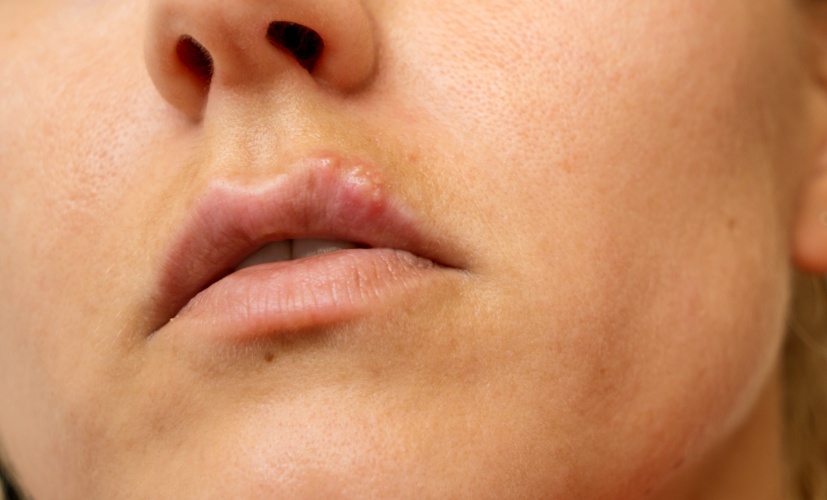
Perioral dermatitis is a skin condition that primarily affects the face, especially the area around the mouth. It presents as red rashes and flaky, dry, and inflamed bumps known as papules. This form of dermatitis is often mistaken for acne, but unlike acne, it does not involve comedones (blackheads and whiteheads) and is usually accompanied by itching and/or burning sensations.
Perioral dermatitis may also spread to the areas around the nose and eyes. In some cases, it can extend to the forehead, and very rarely, to the genitals (a condition referred to as periorificial dermatitis).
What Are the Types of Perioral Dermatitis?
There are three main types of perioral dermatitis:
- Classic perioral dermatitis – The most common form, usually appears around the mouth but can also reach the nose and eyes.
- Steroid-induced perioral dermatitis – Caused by prolonged use of corticosteroid creams, sprays, etc. It typically affects the mouth area but may also involve the chin, nose, and eye region.
- Granulomatous perioral dermatitis – A rare form, most often seen in children. Unlike other types, the rash is yellowish or brownish rather than red. It may affect the face and, in some cases, the genitals.
What Are the Risk Factors for Developing Perioral Dermatitis?
Although perioral dermatitis can affect anyone, certain factors increase the risk: - Gender and age – Most common in women aged 20 to 45, often due to hormonal changes (pregnancy, menstrual cycle, contraceptive use).
- Prolonged use of corticosteroids – Both topical and inhaled corticosteroids can trigger or worsen the condition.
- Sensitive skin – People prone to irritation, eczema, or allergic reactions are more susceptible.
- Aggressive skincare products – Cosmetics with preservatives, alcohol, or heavy oils can irritate the skin.
- Weather conditions – Wind, cold, and excessive sun exposure can trigger flare-ups.
- Stress and weakened immunity – Chronic stress and immune system dysfunction increase vulnerability.
What Causes Perioral Dermatitis?
The exact cause of perioral dermatitis is not fully understood. However, several factors are believed to contribute: - Use of fluoride toothpaste
- Frequent chewing of gum
- Dental fillings
- Impaired epidermal barrier
- Altered skin microbiome
- Certain bacteria
- Candida albicans (a yeast that can affect the skin, genitourinary, and digestive systems)
- Demodex mites
- Touching the face with dirty hands
- Using unsterilized makeup tools
What Are the Symptoms of Perioral Dermatitis?
Symptoms of perioral dermatitis may include: - Red rash and papules
- Dry, flaky, and red skin
- Itching and burning
- Swelling and tenderness
If you notice any skin changes or experience one or more of the symptoms above, consult a dermatologist as soon as possible. Delaying medical attention may worsen the condition and make treatment more difficult.
How Is Perioral Dermatitis Diagnosed?
A dermatologist can diagnose perioral dermatitis through a physical exam. If there is uncertainty or if prescribed treatments are ineffective, a skin biopsy may be performed to rule out other types of dermatitis, such as atopic or contact dermatitis.
How to Manage Perioral Dermatitis?
Treating perioral dermatitis can be a lengthy process that requires patience. Here are five effective tips to help manage the condition. However, you should not attempt any treatment without consulting your doctor, as self-treatment can worsen your symptoms.
1. Discontinue Corticosteroids
Corticosteroids can thin the skin and disrupt its protective barrier, possibly triggering perioral dermatitis. If you are using such medications and develop the condition, it's advisable to discontinue them as soon as possible under medical supervision. Abruptly stopping corticosteroids can lead to rebound symptoms like redness, peeling, burning, and swelling.
2. Use Gentle Cleansers
If you suffer from perioral dermatitis, use cleansers that do not irritate your skin. Many commercial products contain harsh ingredients. Look for cleansers that:
- Are free of sulfates (which are foaming agents that can be aggressive)
- Are alcohol-free (alcohol dries the skin and may worsen inflammation)
- Do not contain artificial fragrances or colorants
- Contain soothing and moisturizing ingredients like panthenol, allantoin, niacinamide, and aloe vera
3. Avoid Irritating Environmental Factors
When your skin is affected by perioral dermatitis, it becomes highly sensitive to external irritants. To reduce flare-ups and support healing, avoid:
- Sun exposure without sunscreen – UV rays dry out the skin and weaken its barrier. Always use a suitable sunscreen. Consult your dermatologist to find the best option for your skin.
- Wind and cold – Harsh weather can aggravate inflammation. Protect your face with a scarf and apply a moisturizer before going outside.
- Air pollution – Dust and smog may irritate the skin. Cleanse your face daily with alcohol-free, fragrance-free products.
4. Use Appropriate Skincare
The right skincare products can support your skin's recovery. For adults, moisturizers with niacinamide, panthenol, or zinc oxide can strengthen the skin barrier and reduce inflammation.
For children, be extra cautious. Always consult a specialist before using any products. If unavailable, look for creams with gentle ingredients such as honey and zinc.
5. Medical Treatment
If cosmetic products don't improve your condition, medical treatment may be required. Options include:
Topical antibiotics – For mild cases
Oral antibiotics – For more severe forms
Use these only with a prescription. Do not purchase medications without first consulting a healthcare provider.
Conclusion
Perioral dermatitis is a common skin issue that can be managed with the right care and treatment. We hope these tips will help you reduce your symptoms and regain your skin's health.
This article is for informational purposes and does not replace a consultation with a medical professional. For more health-related articles, visit our health portal.
Frequently Asked Questions
1. Can makeup worsen perioral dermatitis?
Yes, makeup products with heavy oils, silicones, fragrances, and preservatives can irritate the skin. If you have perioral dermatitis, it's best to use mineral-based makeup and avoid applying foundation or lipstick to affected areas until your skin improves.
2. Is perioral dermatitis contagious?
No, dermatitis is not contagious in any form.
3. What’s the difference between perioral dermatitis and rosacea?
Although similar in some symptoms, perioral dermatitis and rosacea are different conditions. Perioral dermatitis typically affects the areas around the mouth, nose, and eyes, while rosacea usually appears on the forehead, nose, and cheeks. For more information about rosacea, see our dedicated article [here].