


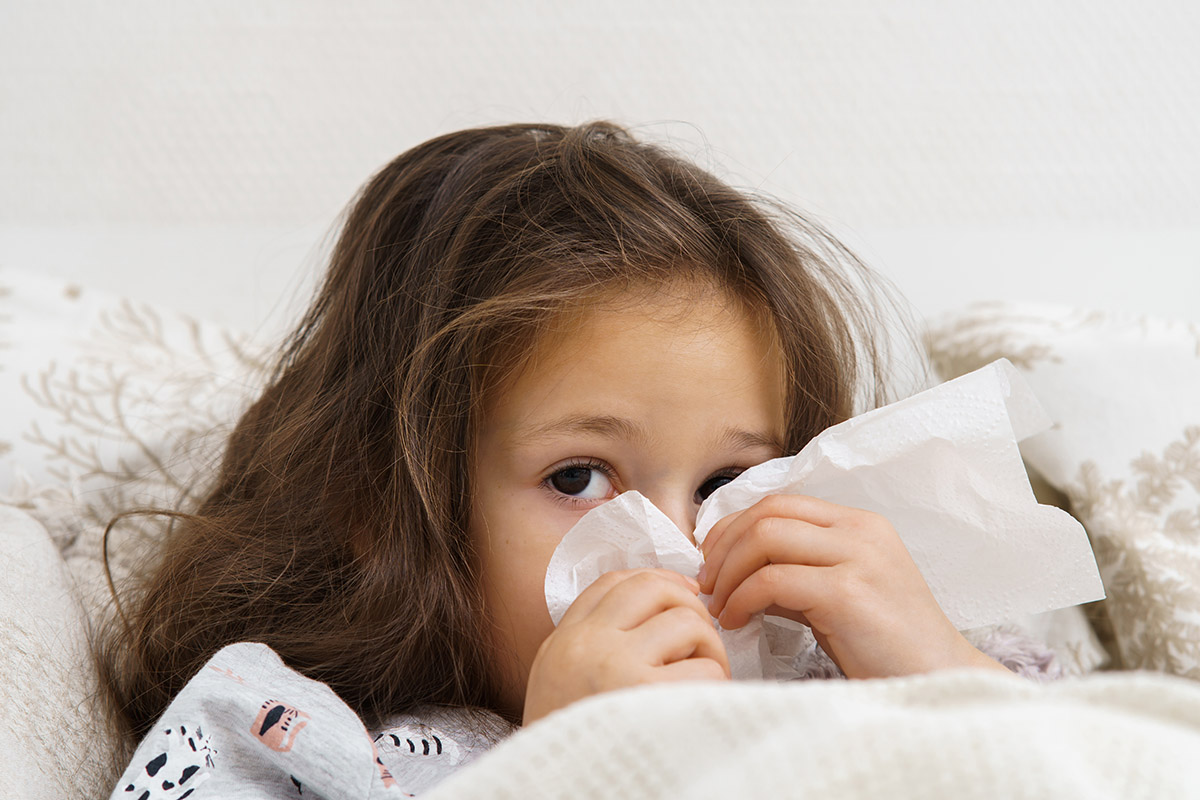
A runny nose is an unpleasant problem that everyone has experienced at least once in their life. Usually, it is not a cause for concern and doesn’t require special treatment. However, when it occurs in young children, it can be a reason for worry for some parents, especially those whose little ones have never had this complaint before. To help you be prepared for the cold and virus season, this article will discuss runny noses in children in detail. We will explain what it is, possible causes, some accompanying symptoms, and share useful tips on how to help your child get rid of this annoying condition.
What is a Runny Nose?
A runny nose is inflammation of the nasal mucosa and cavity, usually characterized by increased production of mucus. The mucus can be thick, causing nasal congestion, or thin and watery, causing fluid to run out of the nose.
When this problem affects children, it can worsen much faster than in adults. If that happens, an infection of the nasal mucosa called rhinitis may develop. Rhinitis can be of several types — allergic, infectious, or neurovegetative.
Allergic rhinitis, as you might expect, is caused by an allergic reaction of the body. It can appear suddenly in young children since their immune system is still developing, and any external irritant can trigger an immune response.
Infectious rhinitis, on the other hand, is caused by bacteria, fungi, or viruses entering the respiratory tract. It can be severe in children, so it’s important to contact a pediatrician at the first signs of a runny nose.
Neurovegetative rhinitis can be triggered by various factors, such as strong odors, sudden temperature changes, or polluted air. This condition involves dysfunction of the neurovegetative system, which controls certain bodily functions, including the nasal mucosa’s reaction to external stimuli.
Symptoms of a Runny Nose in Children
A runny nose rarely occurs without other symptoms. In most cases, it is the first sign of a health issue that requires your attention as soon as possible to prevent worsening of your child’s condition.
Early accompanying symptoms may include sneezing and a clear nasal discharge. If the illness progresses without timely intervention, symptoms such as difficulty breathing and changes in the color and consistency of nasal discharge may occur. If this happens, contact a doctor immediately. They will guide you on how to manage the situation and help your child. We strongly recommend not skipping medical consultation, as untreated runny nose can lead to sinus infections. In such cases, the nasal discharge will turn yellow-green and have a pus-like consistency.
Other possible symptoms your child may experience include:
- Sudden coughing fits
- A feeling of chest heaviness
- Shortness of breath
- Skin rashes
- Phlegm or mucus during coughing
- Headaches
- Body aches
- High fever
If symptoms do not improve within a week, it’s advisable to consult your doctor again. After a follow-up exam, they will recommend what you can do to relieve your child’s condition.
Causes of Runny Nose in Children
Runny nose in children can be caused by various factors. The most common cause is viral infections, which spread easily in nurseries, kindergartens, and schools. These infections resemble a common cold and can be managed quickly if you act early.
Another cause is bacterial infections, which usually develop after a viral infection. These are characterized by fatigue, cough, high fever, and green nasal discharge.
As mentioned earlier, allergies can also cause prolonged runny nose in children. This condition usually does not cause symptoms like fever, fatigue, or headache. Instead, it involves clear nasal discharge, itching sensations on different parts of the body, red and watery eyes, among others. The most challenging aspect of allergy-induced runny nose is that it can appear at any time. If you notice your child has one or more of these symptoms, it’s important to consult a pediatrician. After tests, the doctor can identify the allergen triggering your child’s symptoms—be it household dust, mites, cleaning products, pollen, or something else.
Other possible causes include:
- Nasal polyps
- A small foreign object stuck in a nostril
- Use of certain medications
- How to Manage Runny Nose in Children
- Runny nose in young children requires prompt action at the first signs to prevent worsening. Here are some ways to help your child recover from a runny nose:
Adequate Fluid Intake
Ensuring your child drinks enough fluids is especially important when they have a runny nose, as fluids help clear mucus from the body. Offer not only water but also warm teas with different flavors, so your child enjoys the drink while aiding their recovery.
Vitamin D
Maintaining optimal vitamin D levels is important for good health. It can boost your child’s immune system and help fight viruses and bacteria. If your child is sick and has a runny nose, make sure their vitamin D levels are adequate by consulting a pediatrician. The doctor might recommend tests and suggest vitamin D-rich foods or supplements if necessary.
Inhalations with Saline Solution
Inhalations using saline solution can relieve runny nose and cough in children by easing breathing and reducing symptoms. If you want a good inhaler, ask your doctor for recommendations. Note that many inhalers make loud noises, which might frighten children who have never used one, so prepare them beforehand.
Salt Therapy Rooms
Salt therapy rooms can also help with runny noses. Breathing in these rooms can clear your child’s airways, reduce inflammation, and support the immune system. This helps loosen mucus and fight infections faster.
Medications
Sometimes, runny nose comes with other symptoms requiring medical evaluation. The doctor may prescribe medications to help your child recover and relieve symptoms.
Antihistamines
Antihistamines are effective when runny nose is caused by allergies. A pediatrician can recommend a suitable medication to treat the runny nose and accompanying symptoms.
How to Protect Your Child from Runny Nose
Protecting your child from a runny nose can be challenging, especially if they attend school or daycare, where viruses spread easily.
One of the most important habits to teach your child is regular handwashing. Young children are curious and touch everything, often putting their hands in their mouths, which increases the risk of infection. Try turning handwashing into a fun game, and if you need ideas, consult a child specialist.
Another way to support your child’s health is by ensuring a varied diet rich in vitamins, minerals, and proteins. To be sure your child’s diet is well-balanced, consider consulting a nutrition professional who can create an appropriate meal plan.
Finally, make sure your child gets enough sleep, going to bed and waking up at the same time every day. This helps strengthen their immune system and reduces the chances of frequent illness.
Conclusion
Runny nose in young children is a common problem that can be quickly managed if you understand the different types and effective ways to relieve this unpleasant symptom. We hope the information provided will help you get your child through the runny nose stage, so they can breathe freely and enjoy carefree days.
This article is for informational purposes and does not replace professional medical advice. For more helpful articles, feel free to explore our health portal.