


Contents
What Insomnia Is and Why It Occurs
The Role of Sleep for Health – Why We Call It Medicine
Natural Helpers for Insomnia
Healthy Habits for Better Sleep
When to Seek Medical Help
Conclusion
Frequently Asked Questions
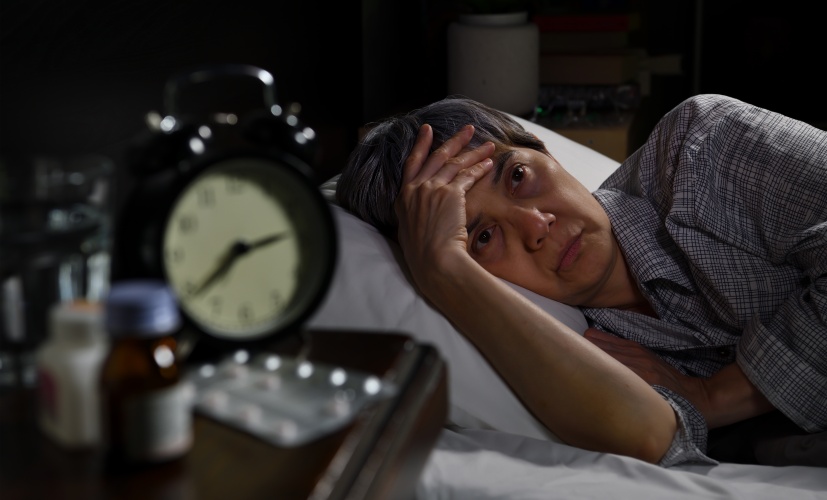
There is nothing more exhausting than a night when your body asks for rest, but your thoughts race endlessly. A sleepless morning leads to an even more difficult evening, creating a cycle that weakens the immune system, darkens mood, and harms overall health. The good news is that there are natural and proven ways to restore sleep—without medication and without the risk of dependency. In the following sections, you will learn what lies behind insomnia, why sleep is our most powerful “medicine,” which natural remedies work best, and when it’s time to seek professional help.
What Insomnia Is and Why It Occurs
Insomnia is not just “difficulty falling asleep”; it is a condition in which nights become a trial. It can manifest as trouble falling asleep, frequent awakenings, or early waking with no chance to return to sleep. When it persists for several days, it affects not only energy and mood but also overall physical and mental health.
Main causes of insomnia:
- Stress and anxiety – a leading cause of both temporary and chronic insomnia. Often accompanied by night sweats caused by nervous tension.
- Hormonal imbalance – especially common in women during perimenopause and menopause.
- Unsuitable sleep environment – noise, light, too high or low temperatures, and screen use before bedtime.
- Unhealthy habits – late caffeine intake, irregular sleep schedule, lack of physical activity.
- Medical conditions – chronic pain, gastroesophageal reflux, depression, hyperthyroidism, and more.
It is important to note that if insomnia lasts more than 3 weeks, you should consult a doctor. Prolonged lack of quality sleep can lead to reduced concentration, weakened immunity, and increased risk of depression.
The Role of Sleep for Health – Why We Call It Medicine
Sleep is not just rest—it is the time when the body recovers and the mind finds balance. During deep sleep, cells regenerate, the immune system strengthens, and the brain organizes and stores new information.
A full night’s rest is crucial for emotional stability—lack of sleep increases the risk of anxiety, irritability, and depressive states. Sleep also plays a key role in maintaining hormonal balance, especially in women and people with endocrine issues.
Scientific studies show that even one night of disturbed sleep can reduce immune response efficiency by over 70%. This is why sleep is not a luxury or a habit but an essential part of any strategy for good health—from detoxifying the body to supporting mental well-being.
Natural Helpers for Insomnia
Before turning to medications, natural remedies that work in sync with the body’s biorhythms can be very effective. Magnesium, known as the “mineral of calm,” helps relax muscles and the nervous system, and its deficiency often leads to poor sleep. The natural sleep hormone, melatonin, is produced by the pineal gland and can be taken as a supplement when the sleep rhythm is disrupted or during jet lag.
Herbal teas are also beneficial. Chamomile gently calms and aids relaxation. Lemon balm and valerian reduce anxiety and facilitate falling asleep. Lavender can be used as tea or essential oil for a relaxing effect. Aromatherapy with lavender, frankincense, or cedar lowers heart rate and supports deep sleep.
Techniques such as meditation, breathing exercises, or yoga before bedtime also help. They slow mental activity and facilitate natural sleep onset. A study published on PubMed shows that practicing meditation for six weeks significantly reduces insomnia symptoms.
Healthy Habits for Better Sleep
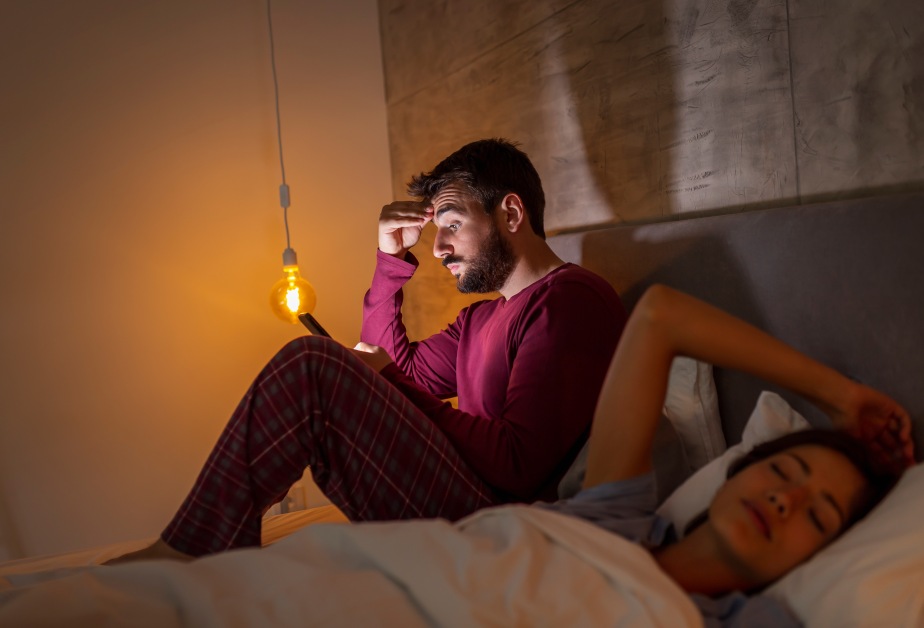
Changing daily habits is often key to a lasting solution for insomnia. Small steps can have a big impact:
- Establish a routine – Try to wake up and go to bed at the same time every day, even on weekends. Your biological clock will adjust, and mornings will feel lighter and more energetic.
- Limit electronic devices in the evening – Put away phones and laptops at least one hour before bed. Without blue light from screens, the brain begins to calm, making sleep easier.
- Create a bedtime ritual – A cup of herbal tea, a few pages of a favorite book, or a warm bath signals the body that it’s time to rest. These habits help you relax and prepare for deep sleep.
- Avoid stimulants after 4 PM – Caffeine, energy drinks, and chocolate in the late afternoon can disrupt sleep. Replace them with water or herbal tea, and you’ll notice a difference in just a few days.
- Provide an optimal sleep environment – A dark, quiet, and cool bedroom supports better rest. Blackout curtains, slight ventilation, or white noise can help transition from restless to restorative sleep.
- Establishing healthy habits often enhances the effects of supplements and may reduce the need for them.
When to Seek Medical Help
Despite all efforts, sometimes insomnia cannot be solved with home remedies alone. Consult a specialist if:
- Insomnia persists for more than 3 weeks.
- Sleep is disrupted at least 3 times a week.
- There is daytime sleepiness, irritability, or difficulty concentrating.
- Accompanying symptoms are present, such as depression, anxiety, snoring, or sleep apnea.
A doctor may order tests or recommend cognitive-behavioral therapy for insomnia (CBT-I)—a method recognized as the gold standard for treating chronic insomnia.
Conclusion
Sleep is more than a physiological need—it is the foundation of health and well-being. Insomnia affects the body, mind, and emotions, but the good news is that natural solutions, such as herbs and healthy habits, can restore balance. With understanding and patience, we can build a sustainable strategy for restful sleep while recognizing when professional help is needed. After all, caring for sleep is caring for overall health.
Frequently Asked Questions
Can food affect sleep quality?
Yes. Heavy, fatty, or spicy foods in the evening can make falling asleep harder, while light snacks with protein and complex carbohydrates can support sleep.
How much sleep is needed for different age groups?
Needs vary: children – 9-12 hours, teenagers – 8-10 hours, adults – 7-9 hours, adults over 65 – 7-8 hours.
Are there exercises that hinder falling asleep at night?
Intense workouts right before bed can activate the nervous system and make falling asleep harder. Light stretching or yoga is more suitable.