

Contents
What is Spirulina
Nutritional Composition and Active Compounds in Spirulina
Health Benefits of Spirulina
How and When to Take Spirulina
Possible Side Effects and Contraindications
Spirulina in the Daily Menu – Consumption Ideas
Conclusion
Spirulina is one of those natural wonders that more and more people are starting to talk about. But what exactly makes it so special, and why is it recommended for improving health? If you're looking for a way to strengthen your immune system, boost your energy, or simply support your overall well-being, spirulina might be the answer. In this article, we’ll explore what it is, what beneficial compounds it contains, and how it can affect your health. We’ll also give you tips on proper usage and look at all the benefits and potential risks associated with including it in your daily diet.
What is Spirulina
Spirulina is a type of blue-green algae that naturally grows in freshwater lakes and rivers, especially in tropical regions. It is one of the oldest life forms on the planet and has been used for centuries as food due to its rich nutritional profile. Its name comes from the spiral shape of its microscopic filaments.
The history of spirulina dates back to the time of the Aztecs in Mexico and tribes around Lake Chad in Africa, where it was a staple food. Locals would sun-dry the algae and consume it in the form of cakes known as “tecuitlatl.” In Africa, the algae known as “dihé” is still used today as a nutritional resource due to its high value and resilience in resource-scarce conditions. Traditional use highlights spirulina’s qualities as a valuable source of nutrients and energy.
Today, spirulina is gaining popularity as a dietary supplement because of its high content of proteins, vitamins, minerals, and antioxidants. It’s often referred to as a “superfood.”
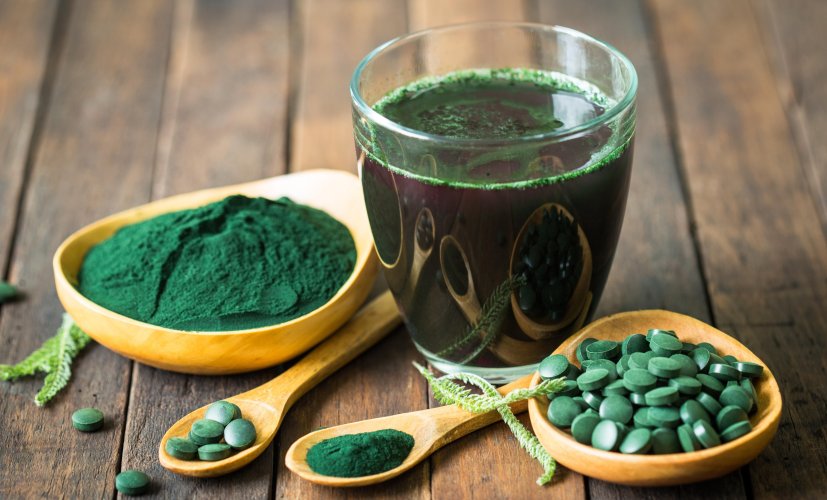
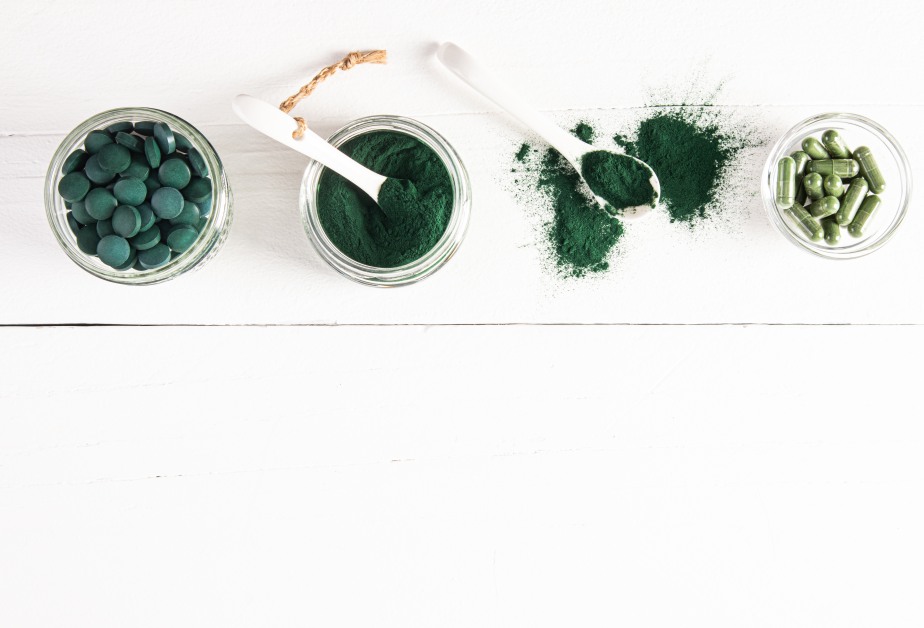
Spirulina is mainly available in powder or tablet form, making it easy to incorporate into your daily routine. It has a slightly earthy taste that can be easily masked by mixing it with juices, shakes, smoothies, or other dishes.
It’s important to ensure that the spirulina you buy is produced under strict control and certified by trusted organizations. This guarantees that the product is free from contaminants such as heavy metals and toxins, which can sometimes be found in natural water sources.
Nutritional Composition and Active Compounds in Spirulina
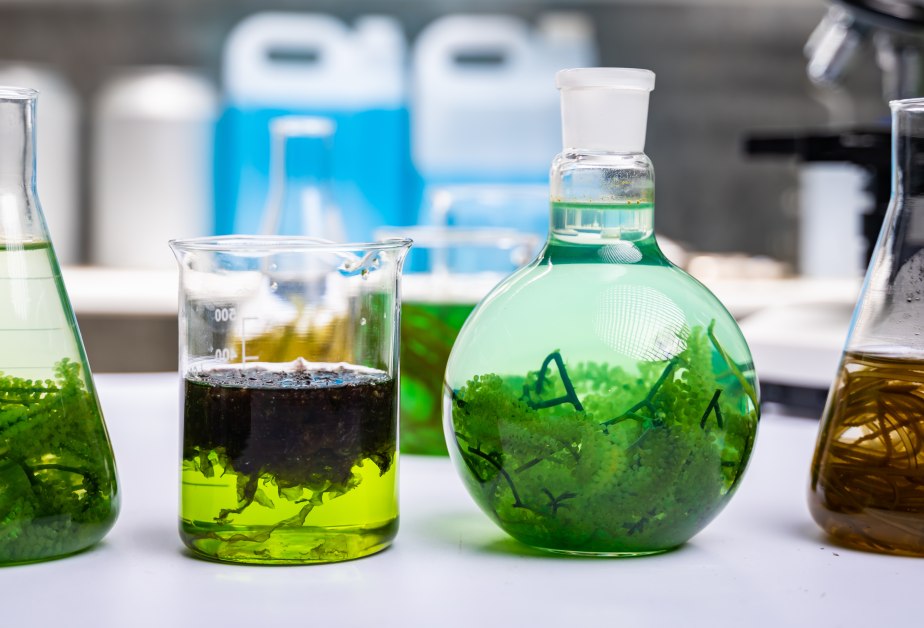
Spirulina contains a rich array of nutrients essential for good health. One of its greatest advantages is its high content of plant-based proteins – about 60–70% of its weight – making it ideal for vegetarians and vegans.
In addition to proteins, spirulina is rich in vitamins A, B-complex (especially B12), C, and E. It contains important minerals such as calcium, magnesium, iron, and potassium, which are key for maintaining healthy bones, muscles, and good blood circulation.
It’s also an excellent source of powerful antioxidants like phycocyanin and beta-carotene. These compounds help neutralize harmful free radicals that can lead to chronic diseases and accelerated cellular aging.
Moreover, spirulina contains essential fatty acids like omega-3 and omega-6, which are important for brain function and heart health. Its unique composition contributes to overall immune system strengthening and energy metabolism.
Health Benefits of Spirulina
Spirulina has numerous health benefits supported by scientific research, although some are not yet fully proven in humans. Among the most well-known are:
- Immune system support – contains antioxidants and vitamins that may aid immune function, though evidence in humans is not fully conclusive. Some animal studies show a positive effect on the immune system, but human data is still limited.
- Improved cardiovascular health – helps lower levels of “bad” cholesterol (LDL) and triglycerides.
- Blood sugar regulation – beneficial for people with diabetes, as it helps control blood glucose levels.
- Improved digestion – contains nutrients that may support normal digestive function, though data on effects for gastritis and ulcers is limited.
- Detoxification – Spirulina shows potential to bind heavy metals (e.g., lead, arsenic) and aid in their removal from the body, according to animal studies. However, further clinical trials are needed to confirm these effects in humans.
Another clinical study shows that a two-month intake of spirulina (2 g/day) in patients with type 2 diabetes led to a significant reduction in fasting and post-meal blood sugar levels, as well as HbA1c (glycated hemoglobin), indicating improved long-term blood sugar control.
How and When to Take Spirulina
The recommended daily dose of spirulina ranges from 1–3 grams, but in some cases, higher doses may be used under specialist supervision. If you’re taking this supplement for the first time, start with a lower dose and gradually increase it to avoid potential digestive discomfort or allergic reactions. Spirulina is most commonly taken in the morning, as it has a mild energizing effect for some people and may help with concentration during the day. Although it doesn’t contain caffeine and isn’t a stimulant, evening intake may affect sleep in more sensitive individuals. It can be consumed with water, added to smoothies, or combined with food, but it’s important to follow the recommended daily dose.
Many people ask, “How long should spirulina be taken?” – a good approach is to take it in cycles of 1 to 3 months, followed by a break of 2–4 weeks. This allows the body to rest and prevents the accumulation of certain substances, such as iron, which can be harmful at high levels. For maximum effect, it’s recommended to combine spirulina with a balanced diet and an active lifestyle.
Possible Side Effects and Contraindications
Spirulina is generally considered safe for most people when taken in recommended doses. However, there are some potential side effects and contraindications to be aware of:
Allergic reactions – although rare, some individuals may experience allergic responses, especially those sensitive to algae or seafood.
Digestive discomfort – mild symptoms such as bloating, nausea, or diarrhea may occur, particularly when starting with higher doses.
Autoimmune conditions – due to its immune-stimulating properties, spirulina may not be suitable for people with autoimmune diseases like lupus, multiple sclerosis, or rheumatoid arthritis.
Phenylketonuria (PKU) – spirulina contains phenylalanine, which should be avoided by individuals with this genetic disorder.
Contamination risk – if not sourced from reputable producers, spirulina may contain harmful substances like heavy metals, microcystins, or bacteria. Always choose certified, lab-tested products.
Consulting a healthcare professional before starting spirulina is especially important if you have chronic health conditions, are pregnant or breastfeeding, or are taking medications.
Spirulina in the Daily Menu – Consumption Ideas
Spirulina’s versatility makes it easy to include in your diet. Here are some ideas:
Smoothies and shakes – add a teaspoon of spirulina powder to fruit or vegetable smoothies.
Energy balls – mix spirulina with dates, nuts, and seeds for a nutritious snack.
Soups and sauces – stir into warm dishes just before serving to preserve nutrients.
Salad dressings – blend with olive oil, lemon juice, and herbs for a green boost.
Baked goods – incorporate small amounts into muffins or protein bars.
Its earthy taste can be balanced with citrus fruits, bananas, or berries. Start with small amounts and adjust to your preference.
Conclusion
Spirulina is a powerful natural supplement with a rich nutritional profile and a wide range of potential health benefits. From boosting immunity and energy to supporting heart and digestive health, it offers a holistic approach to wellness. Its long history of traditional use and growing body of scientific research make it a valuable addition to a balanced diet.
To get the most out of spirulina, choose high-quality products, follow recommended dosages, and combine it with healthy lifestyle habits. Whether you're looking to improve your overall health or address specific concerns, spirulina may be a simple yet effective step toward better well-being.
Although spirulina is safe for most people, there are some side effects that may occur, such as digestive disorders, headaches, dizziness, or allergic reactions. Stomach discomfort like nausea or bloating may also arise, especially if the dose is increased abruptly. People with autoimmune diseases or phenylketonuria (a rare inherited disorder in which the body cannot break down the amino acid phenylalanine) should avoid using spirulina or consult a doctor before taking it.
Additional contraindications include individuals allergic to algae, pregnant and breastfeeding women, as well as those taking blood-thinning medications or suffering from serious liver conditions. Spirulina may interact with medications for diabetes, hypertension, or immunosuppressants, so it is advisable to consult a doctor if you are taking such medications.
Spirulina in the Daily Menu – Consumption Ideas
Thanks to its powdered or tablet form, spirulina is easy to integrate into your daily diet. The most popular way is to add it to drinks like shakes, smoothies, juices, or yogurt, where its taste blends with other ingredients. It can also be sprinkled over salads or creamy soups just before consumption. To avoid its distinctive taste, it’s recommended to combine it with stronger flavors. It’s important not to subject spirulina to heat treatment, as high temperatures can reduce the content of some of its valuable nutrients. Regular consumption in moderate amounts is an easy way to boost the nutritional value of everyday meals without drastically changing your diet.
Conclusion
Spirulina is one of the most popular superfoods, deserving attention from both those striving for a healthier lifestyle and those seeking natural support for specific health conditions. Thanks to its rich content of vitamins, minerals, antioxidants, and complete proteins, it may have a beneficial effect on certain metabolic indicators and contribute to maintaining normal blood sugar and cholesterol levels.
Despite its many benefits, it’s important to take spirulina responsibly – in appropriate doses and after consulting a medical professional if you have chronic illnesses or specific conditions.
As part of a balanced diet, spirulina can be included in your daily routine as a natural source of nutrients. Whether you add it to your morning smoothie or take it as a dietary supplement, this blue-green algae offers more than nutrients – it’s a step toward a conscious choice for a healthy life.
This article is for informational purposes and does not replace consultation with a specialist. If you’d like to read other useful articles, feel free to explore our health portal.