

Contents
How the sun affects hair in summer
Main causes of hair dehydration during summer
Practical tips for protecting and hydrating hair in summer
How to restore sun-damaged and dehydrated hair
Recommended products and ingredients for summer hair care
Conclusion
Frequently Asked Questions
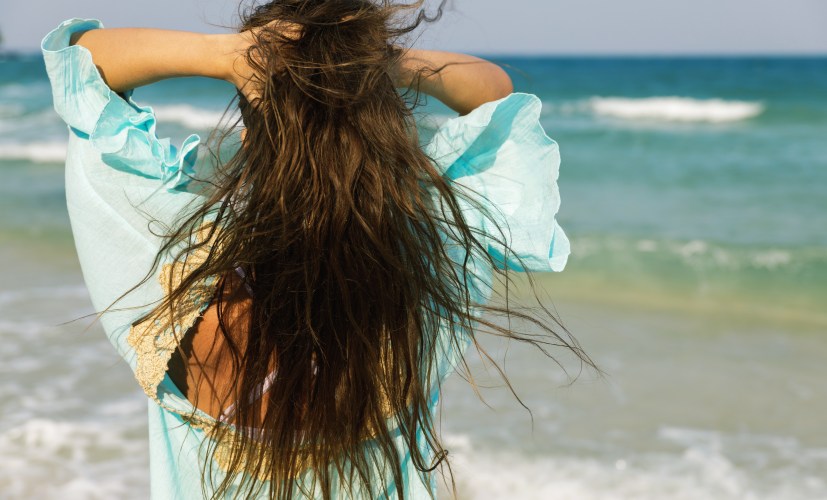
With the arrival of warmer days comes the desire to spend more time outdoors under the sun. But just as our skin needs protection, our hair also suffers from intense UV radiation, salty seawater, chlorine in pools, and high temperatures. The result is often dry, brittle ends, loss of shine, and breakage. In this article, we’ll explore how summer affects hair structure, the main causes of dehydration, and how to care for your hair to keep it healthy and radiant during the hot season.
How the Sun Affects Hair in Summer
During summer, ultraviolet (UV) rays affect not only the skin but also the hair. Prolonged sun exposure breaks down the hair’s protective lipid layer, making it easier for moisture to evaporate and leaving hair dry and prone to breakage.
- UV rays are divided into two main types:
- UVB – penetrate the surface and cause visible damage
- UVA – penetrate deeper into the hair shaft and damage protein structures, especially keratin
They also affect hair pigment—melanin. In dyed or naturally light hair, this often leads to fading or uneven lightening.
The sun also causes oxidative stress—a process where harmful molecules called free radicals damage cellular components. Hair loses elasticity, becomes dull, and feels dry to the touch. Add heat from styling tools like blow dryers or straighteners, and you have a recipe for serious damage.
Main Causes of Hair Dehydration During Summer
The biggest enemy of hydrated hair in summer isn’t just the sun. Salt from seawater draws moisture out of the hair shaft through osmosis. Chlorine in pools attacks the cuticle—the outer protective layer—leading to rough texture and dry ends, increasing the risk of damage and breakage.
High temperatures and low humidity accelerate moisture evaporation from hair. Frequent washing, especially with harsh shampoos lacking moisturizing ingredients, strips away natural sebum—the scalp’s protective oil. Without it, hair is left unprotected and easily dehydrated.
Another common cause is using inappropriate products—styling products with alcohol, shampoos with sulfates or dyes that further disrupt the hair’s lipid balance. Neglecting regular nourishment through masks and oils also leads to accumulated damage.
Practical Tips for Protecting and Hydrating Hair in Summer
Prevention is the best solution when it comes to summer hair care. Start by limiting direct sun exposure. Wear wide-brimmed hats or silk scarves, which not only protect but add style.
Use products with sun protection (UV filters). These create a barrier around the hair shaft that reflects harmful radiation. Leave-in sprays are most effective—they’re lightweight and can be reapplied throughout the day.
Limit heat styling with blow dryers, straighteners, and curling irons, especially on hot days. If necessary, use heat protectants with argan or grape seed oil, which tolerate high temperatures. Dry hair on a low setting or let it air dry when possible.
After swimming in the sea or pool, rinse hair with clean water to remove salt or chlorine. Once a week, apply a deep conditioning mask—ideally with macadamia, jojoba, or shea oils.
How to Restore Sun-Damaged and Dehydrated Hair
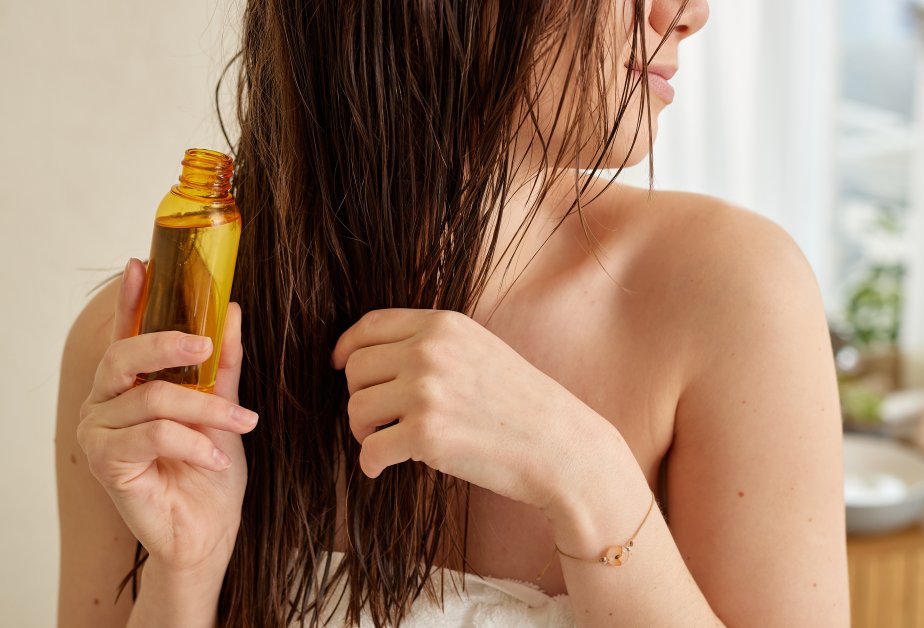
If your hair already looks dry, brittle, and dull, it’s not too late to restore its vitality. The first step is to trim damaged ends, especially if they’re split—otherwise, the damage can spread up the hair shaft.
Next, focus on rehydrating the hair. Choose masks with hyaluronic acid, panthenol, or glycerin—humectants that attract and retain moisture. Apply to damp (not wet) hair and leave on for at least 15–20 minutes for optimal effect.
Using plant-based oils is also key. For deep recovery, try a warm oil treatment—gently heat coconut or castor oil, apply along the hair length, wrap in a warm towel, and leave for about an hour.
Finally, limit washing to twice a week and use a gentle, sulfate-free shampoo enriched with keratin or amino acids. Replace your brush with a wide-tooth comb to reduce breakage and preserve hair strength.
Recommended Products and Ingredients for Summer Hair Care
To keep your hair healthy and radiant in summer, choose products with proven moisturizing and protective ingredients. Some of the most effective include:
- Aloe vera – a natural moisturizer rich in vitamins A, C, and E that soothes and nourishes the hair
- Panthenol (provitamin B5) – promotes repair and strengthens hair structure
- Macadamia and argan oils – add softness and shine, smoothing and protecting the surface
- Keratin – a key protein that strengthens and restores hair structure
- Hyaluronic acid – retains moisture deep within the hair for long-lasting hydration
- UV filters (such as benzophenone-4 and octinoxate) – create a protective barrier against harmful UV rays
Popular brands offering quality summer hair care products include L'Oréal Professionnel, Kérastase, and Moroccanoil, as well as more natural options like Rahua and Aveda, which combine effectiveness with eco-consciousness.
Scientific studies published in NCBI confirm that oils and proteins are especially beneficial for restoring hair after exposure to UV radiation and other summer stressors.
Conclusion
Summer is a wonderful time for walks, beach days, and adventures, but it also poses risks to hair health. Exposure to sun, salt, chlorine, and hot air can quickly turn vibrant, shiny hair into dry and damaged strands. However, with proper and timely hair care, the damage can not only be minimized but also successfully repaired.
The best approach is prevention—protecting against UV rays, regular nourishment, and using specialized products. If damage has already occurred, focus on restoration with masks, nourishing oils, and a gentle routine. This way, you can enjoy beautiful, healthy, and shiny hair even on the hottest days.
Frequently Asked Questions
How do I know if my hair is dehydrated?
If it feels dry to the touch, lacks shine, tangles easily, and breaks—it's likely dehydrated.
How often should I use a moisturizing mask in summer?
Once a week is optimal. For very dry hair—up to twice a week.
Does coconut oil help protect against sun damage?
It doesn’t contain UV filters, but it nourishes and smooths the hair after sun exposure. Use it after sun exposure, not as a substitute for protection.
Is it worth wearing a hat if I already use a UV spray?
Yes, mechanical protection is always more effective than chemical. A combined approach offers the best protection. а защита.