


Blood Pressure Monitors: Why They Matter and Which Ones Are Most Accurate
What is blood pressure and why is it important?
Blood pressure is a vital sign that provides information about the force your blood exerts on your blood vessels. When your blood pressure is too high or too low, you may experience symptoms such as headaches, nausea, vomiting, shortness of breath, and dizziness. If you experience any of these symptoms and cannot visit a doctor immediately, it is essential to have a reliable blood pressure monitor at home to check your health condition.
You can find a wide range of blood pressure monitors on the market. However, this variety can make it difficult to choose a dependable device. In this article, we’ll highlight some of the most accurate blood pressure monitors available to help you make an informed decision.
The importance of blood pressure monitors
Blood pressure monitors are essential tools for anyone dealing with cardiovascular health issues. Even if you don’t have a diagnosed condition, it’s a good idea to have a quality device at home, as blood pressure can suddenly spike or drop due to various factors such as stress, weather changes, physical exertion, or pregnancy.
Whenever you feel unwell, it’s best to see a healthcare professional as soon as possible. Medical staff usually have high-quality monitors that provide accurate readings. However, sometimes your condition or circumstances may prevent an immediate visit to the doctor. In such cases, having a reliable blood pressure monitor is crucial so you can assess your condition at home.
Besides helping you track your blood pressure at home, an accurate monitor is also a useful tool in communicating with your doctor. If you suffer from hypertension or hypotension, it's advisable to regularly monitor your blood pressure and share this information with your physician. While home measurements can’t replace professional consultations, frequent monitoring at home can help ensure you stay in good health.
Types of blood pressure monitors
As mentioned, there are various types of blood pressure monitors available. Let’s take a closer look at the different options to help you understand their features and differences.
- Manual (Mechanical) Blood Pressure Monitors
Manual monitors are the traditional type and are known for their high accuracy. They include a stethoscope to listen to the heartbeat and a cuff that wraps around the upper arm. The cuff is connected to a gauge showing the blood pressure reading and a hand pump for inflation.
These monitors require some training to use correctly and are not suitable for self-measurement. If you opt for a manual monitor, it’s best to have someone assist you during the measurement.
- Digital (Automatic) Blood Pressure Monitors
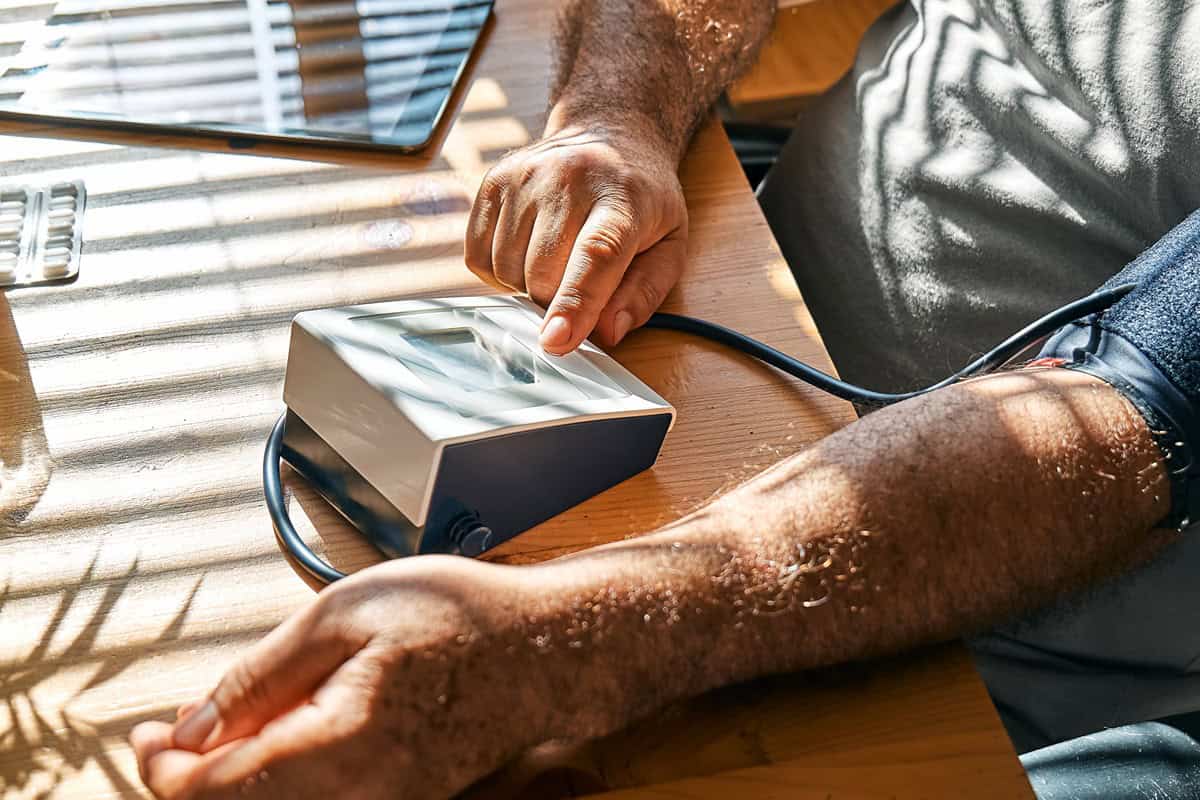
Digital monitors are among the most common and preferred types today. They are very easy to use: you simply place the cuff on your upper arm, and the device automatically inflates it.
These monitors often come with convenient features, such as displaying results within seconds, showing systolic and diastolic pressure, and pulse rate. Many also store previous readings, eliminating the need to remember them yourself.
- Semi-Automatic Monitors
Semi-automatic monitors combine features of both manual and digital devices. You inflate the cuff manually, but deflation is automatic. Like digital monitors, they display blood pressure and heart rate on a screen and may also store previous readings. However, because you need to pump the cuff by hand, it's best to have someone assist you when using this type.
- Wrist Monitors
Wrist monitors are a newer addition to the market. They are compact and easy to use, making them suitable for home use or travel. These monitors are fully automatic and typically attached to a cuff that wraps around the wrist. Just press a button to start the measurement. However, wrist monitors are generally considered less accurate, so it's recommended to take multiple readings for more reliable results.
- Finger Monitors
Finger monitors are a convenient solution for those who travel often and have limited space. They are compact and easy to use—just place the cuff on your finger and press a button. However, they are also less reliable, so take several readings to ensure accuracy.
Some of the most accurate blood pressure monitors
Now that you're familiar with the different types of blood pressure monitors, here are some of the most accurate models on the market:
- Hartmann Veroval Duo Control
One of the most reliable devices available is the HARTMANN VEROVAL DUO CONTROL. Clinically approved by the European Society of Hypertension, it’s rated highly for its accuracy. It’s fully automatic and uses two measurement methods for greater precision.
This device is especially useful for people with arrhythmia and includes a memory function to store your results. It also comes with a USB cable for easy data transfer.
- Microlife BP B3 AFIB
The BP B3 AFIB model from MICROLIFE is another great option. It uses AFIB technology to detect atrial fibrillation, a leading cause of stroke. This clinically validated monitor provides accurate readings and can detect early signs of heart issues.
- Medel Sense
The MEDEL SENSE model is also a reliable choice. It uses innovative technology to ensure accurate results. During measurement, the display shows if the cuff is placed correctly and whether you are in a resting state for optimal accuracy.
- Omron M2 IT
The OMRON M2 IT is another high-quality automatic monitor that is clinically validated. It detects whether your heartbeat is regular and provides precise readings with just one touch. You can also connect it to your smart device to save or share your data.
- Sendo Economy
Finally, the SENDO ECONOMY is a clinically tested device that meets all World Health Organization standards. It's simple to use—just pump manually and press a button. The readings will appear on the screen, providing essential health information.
How to use your blood pressure monitor correctly
Once you have a reliable monitor, it's important to know how to use it properly. Here are some helpful tips:
Read the instructions: Every device is different, so start by reading the user manual.
Rest before measuring: Take a few minutes to relax so your body is at rest.
Sit properly: Sit in a comfortable chair with your back straight and your feet flat on the floor. Do not cross your legs or arms.
Place the cuff correctly: It should be at heart level and not too tight or too loose.
Follow the measurement steps: Perform the measurement as described in the manual.
Repeat the measurement: For better accuracy, take at least two readings, one minute apart.
If your blood pressure is unusually high or low, contact your doctor. Frequent symptoms like dizziness, chest pain, shortness of breath, or fainting require immediate medical attention.
Conclusion
Monitoring your blood pressure is an essential part of maintaining good health. To get accurate readings, it's crucial to have a high-quality, reliable monitor. We hope this article helps you choose the most suitable device for tracking your blood pressure.
This article is for informational purposes only and does not replace medical consultation. For more helpful health-related content, feel free to browse our health portal.