

Do You Often Feel Like a Balloon in the Summer?
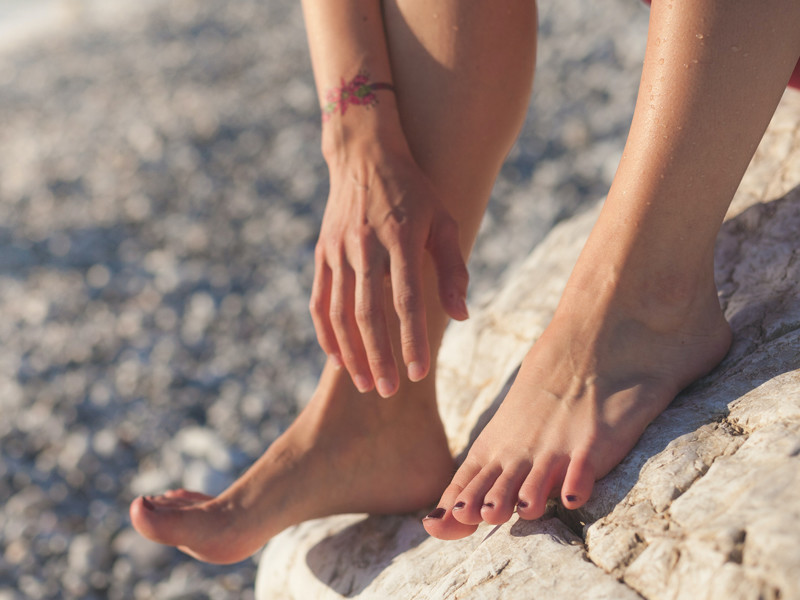
If your shoes suddenly feel tight in the hottest part of the day, you are most likely experiencing the so-called heavy legs syndrome. It sounds a bit alarming and looks unpleasant, but the good news is that it has nothing to do with kidney disease or heart problems. In fact, it is a completely normal physiological condition that can affect even perfectly healthy people in response to the scorching sun and Earth's gravity.
What causes swelling in the heat, and how can you fight the discomfort? Let’s find out.
WATER, WATER, WATER
In high temperatures, your body needs more fluids than ever. Drinking water is essential because your body continuously dehydrates. You sweat, you drink water, you sweat again, and then you drink more water… And as strange as it may sound, this is exactly where the problem lies. A sudden increase in fluid intake actually puts extra strain on the kidneys and heart, as they must process and distribute it throughout the body. Naturally, when the body cannot keep up, the excess fluid is not eliminated and instead accumulates in the tissues. This condition, known as "water retention," is common among people with heart or kidney issues.
On the other hand, dehydration disrupts lymphatic flow and slows down the circulation of blood and fluids in the body. High temperatures make things worse by causing blood vessels to expand. Gravity then does the rest. As you may know, blood in the veins moves "upward," against gravity, aided by valves that push it along and prevent it from flowing back down. However, when blood vessels dilate, these valves do not function properly, making it harder for blood to move efficiently. Instead, it pools in the extremities, particularly in the lower legs, causing swelling. If the condition worsens, the blood vessel walls begin to leak fluid into the surrounding tissues, leading to uncomfortable swelling.
THE SEASON OF SALT
You might not believe it, but even doctors confirm that cutting back on salt in hot weather is not a good idea. The reason? Excessive sweating causes the body to lose a significant amount of beneficial salts and minerals. The recommended daily intake of salt is 5 grams, and experts advise not to deprive yourself of it. So, don’t hesitate to enjoy salty fries with fish and a fresh salad at your favorite seaside café. Season your food with lemon juice, too, as it helps regulate bodily functions.
To support your body in the heat, eliminate cholesterol-rich foods—such as animal products, spicy foods, and strong seasonings—from your diet. Instead, make sure you get enough manganese, cobalt, and iodine, which are abundant in seafood, fish, eggs, lean meat, liver, nuts, and legumes. If you are overweight, now is the perfect time to shed extra pounds, as excess weight contributes to swelling and the "heavy legs" sensation in summer.
Regardless of your body type, avoid tight clothing and shoes in the heat to prevent further restriction of blood flow and fluid circulation.
MOVE—BUT IN COOLER CONDITIONS!
High temperatures often make us stay indoors, barely moving from the couch to avoid getting even hotter. However, inactivity actually worsens swelling, fluid retention, and the sensation of heavy legs. While exercising in extreme heat is not advisable because it strains the heart, there are times of the day when temperatures are more manageable. The coolness of early mornings, for example, is perfect for physical activity without health risks.
If you want to beat the heat without being lazy, swimming in a pool or the sea is an excellent solution. And if you’re not a fan of sports at all, evening walks are the only thing that can save you from swollen legs.
QUIT SMOKING
Tobacco is not only harmful to your lungs and heart but also to your entire circulatory system. Smoking contributes to the breakdown of collagen, which is a key component of blood vessels, helping to maintain their elasticity and strength. You already know what happens when blood vessels lose elasticity—slower circulation and fluid retention in the limbs, which most often affects the legs.
THE BEST REMEDY—WALKING BAREFOOT ON GRASS
There is nothing more pleasant than the cool sensation of grass under your bare feet. If you haven’t experienced this yet, you should definitely try it. Not only will it awaken your senses, but it will also refresh your legs. The effect is magical—cooling and toning, combined with a gentle acupressure massage from the pebbles and resilient blades of grass.
If walking barefoot doesn’t help enough, you can always rely on other time-tested methods for relieving swollen legs:
- Elevate your legs whenever possible
- Massage your feet and calves to improve lymphatic flow
- Rinse your legs and body with cool water frequently
- Do simple foot and ankle exercises—curl your toes, stand on your heels, rotate your feet, or stretch them
- If the "heavy legs" sensation becomes a daily issue, especially if it causes pain, difficulty walking, or visible blue veins on your skin, consult a doctor. These symptoms could indicate venous insufficiency. The condition is treatable, and proper therapy can prevent or slow down the onset of complications such as phlebitis and venous thrombosis.