

Contents
Why Having a First Aid Kit Is Important When Traveling with Children
How to Prepare the First Aid Kit Properly
What to Include in a First Aid Kit for Traveling with Children
Safety Tips for Using the First Aid Kit
Conclusion
Frequently Asked Questions
Planning a family trip with your children? Whether it’s a weekend in the mountains, a seaside getaway, or a longer vacation abroad, a first aid kit is one of the most important items in your luggage. When you’re far from home, even minor ailments can become serious challenges. For peace of mind and readiness in any situation, a well-prepared first aid kit for traveling with children is essential.
In this article, we will discuss why a first aid kit is so important when traveling with children, how to prepare it properly, which medications and supplies to include, and how to use them safely. At the end, you’ll also find answers to frequently asked questions parents often have before a trip.
Why Having a First Aid Kit Is Important When Traveling with Children
Traveling with children is exciting but requires special attention to safety and health. Young children’s bodies are more sensitive, and their reactions to a new environment, climate, food, or insect bites can be unpredictable. Even the best-organized trip can be disrupted by a sudden fever, cut, or stomach discomfort.
While away from home, access to a pharmacy or medical help may be limited—especially in a foreign country, a mountainous area, or while traveling by car without quick access to care. Even at the seaside, pharmacies may have limited hours or may not carry familiar brands of medication.
A parent’s first aid kit, prepared according to the child’s needs and the destination, saves time, reduces stress, and prevents panic. It is your personal tool for immediate care, and quick action is key to calm recovery and avoiding complications.
According to the World Health Organization (WHO), travelers (including children) may encounter various health risks such as temperature changes, air pollution, infections, dehydration, limited access to hygiene, safe food and water, and unexpected injuries. Children may also experience sensitive reactions to stress, fatigue, or time zone changes, making a first aid kit an essential tool during travel.
How to Prepare the First Aid Kit Properly
Preparing a travel first aid kit is not a one-size-fits-all process; it depends on the child’s age, the destination, the duration of the trip, and their individual health needs. For optimal results, prepare the kit at least a few days before departure and check it carefully.
Here are some key steps for proper preparation:
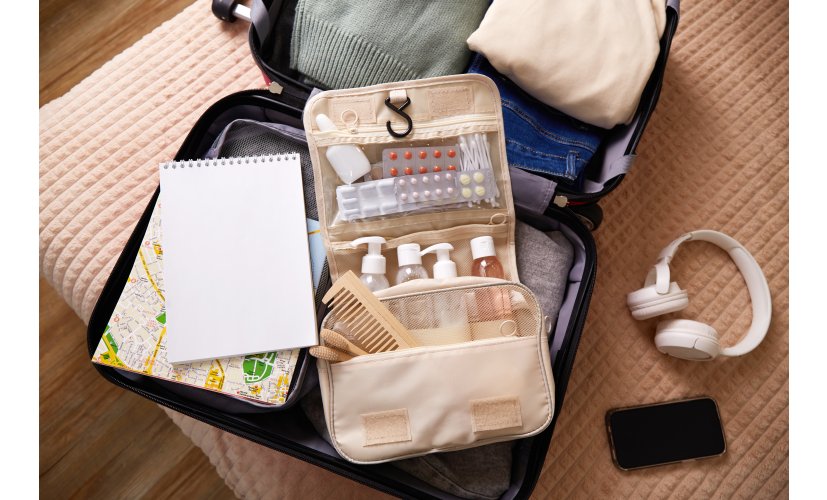
Use a box or pouch with compartments. A well-organized kit allows you to quickly find what you need in an emergency.
Check expiration dates. Discard any expired medications, even if nearly full.
Tailor the contents to the climate and activities. For the seaside, include more sun protection and insect bite remedies; for the mountains, include treatments for scrapes, tick bites, and temperature changes.
Include personalized medications. If your child has allergies, chronic conditions, or takes specific medications, make sure to include them.
Translate names and dosages if traveling abroad. This ensures easy communication with medical professionals if needed.
Include your pediatrician’s contact information. This is extremely useful in case you need emergency advice over the phone.
For families who travel often, it’s wise to maintain two kits: one at home and one always ready for travel. This saves time and prevents forgetting important items.
What to Include in a First Aid Kit for Traveling with Children
The contents should balance the most common travel risks with the specific needs of your child. Essential items include:
- Paracetamol / Ibuprofen
- Antihistamine syrup
- Anti-nausea medicine
- Anti-diarrheal medications and probiotics
- Nasal drops and saline solution
- Band-aids (various sizes)
- Sterile gauze and bandages
- Thermometer (preferably digital with fast reading)
- Tweezers and scissors
- Disposable gloves
- Antiseptic spray or cream
- High SPF sunscreen
- Insect/tick repellent (spray or patches)
- Cooling patches
- Spare doses of medications for chronic conditions
- Note with the child’s blood type
- Burn or bite gel
For remote or exotic destinations, antibiotics can be added only after consulting a pediatrician. According to the CDC (Centers for Disease Control and Prevention), diarrhea is one of the most common health problems when traveling with children and can lead to dehydration, especially in the youngest ones.
Safety Tips for Using the First Aid Kit
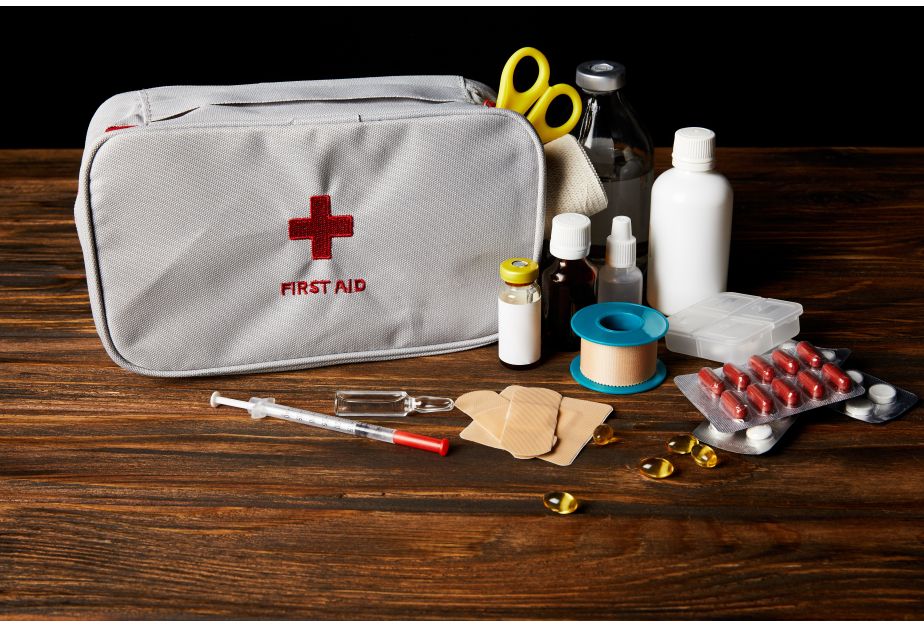
Proper use of medications and supplies is just as important as having them. Incorrect dosage, contamination, or improper storage can worsen the condition rather than improve it.
Key safety rules:
- Always read medication leaflets. Do not give products based on memory or previous use.
- Keep the kit out of children’s reach. Especially in hotel rooms or campers.
- Do not use unlabeled or expired medications. Even well-known syrups can change consistency over time.
- Follow storage temperature guidelines. Some medications need to be kept cool—use a thermal bag.
- Do not share medications between children. The same medication may not be suitable for a different age or weight.
- Replenish the kit after each use. This is especially important for long trips.
- Families who want to be even more prepared can take a short child first aid course. The Bulgarian Red Cross offers such training—more information is available on their official website.
Conclusion
Traveling with children creates unforgettable memories but comes with responsibilities. A first aid kit is a small but extremely important element that can turn a stressful trip into a calm and trouble-free one. With carefully selected medications, organized structure, and preparation, you’ll be ready to respond to any unexpected health situation.
Home first aid kits and travel kits differ in content and mobility, but both should be part of the healthcare measures every responsible parent takes. Do not underestimate even minor symptoms—during early childhood, every ailment should be closely monitored.
The best gift you can give yourself and your child while traveling is peace of mind, knowing you are prepared. Care begins with small steps—starting with the first aid kit.
Frequently Asked Questions
What is the difference between a home first aid kit and a travel kit for children?
A home kit contains a broader range of medications and supplies, while a travel kit is compact, focusing on the most common travel situations—fever, injuries, allergies.
Can I include antibiotics in the kit?
Only after consulting a pediatrician. It is not recommended to use antibiotics without medical advice.
How should I store the first aid kit while traveling?
Use an opaque thermal bag and keep it away from direct sunlight and moisture.
Should I carry prescriptions for medications abroad?
Yes. When traveling abroad, it is recommended to carry prescriptions in English, especially for medications containing active substances that may be regulated in other countries.