

What Is Dermatitis?
Dermatitis (also known as eczema) is a general term for skin inflammation. It is a non-contagious condition most commonly characterized by redness, dryness, and itching. Dermatitis can be acute or chronic, depending on its cause. Regardless of severity, it can cause significant discomfort and negatively affect your quality of life.
Types of Dermatitis
Dermatitis occurs in several different forms, each with specific characteristics. Below, we explore the most common types.
Atopic Dermatitis
Atopic dermatitis, often referred to as atopic eczema, typically affects the face, the folds of the knees, and the front of the neck. It is often hereditary and commonly appears in children, though it can also occur in adults. Symptoms usually flare up for a period of time and then subside. For more information on this condition, check out our in-depth article on atopic dermatitis.
Seborrheic Dermatitis
Seborrheic dermatitis occurs in areas rich in sebaceous glands—such as the scalp, ears, around the eyebrows, cheeks, nose, back, and the center of the chest. It most commonly affects men and individuals with oily skin. Like atopic dermatitis, it can flare up and then improve. A frequent symptom is dandruff, which may significantly impact self-esteem.
Perioral Dermatitis
Perioral dermatitis primarily affects women and children. As the name suggests, it usually appears around the mouth. It often develops after the use of topical corticosteroids and causes small bumps in the affected area. In some cases, it spreads to the area around the eyes (periocular dermatitis). Rarely, it may affect the genitals or limbs.
Contact Dermatitis
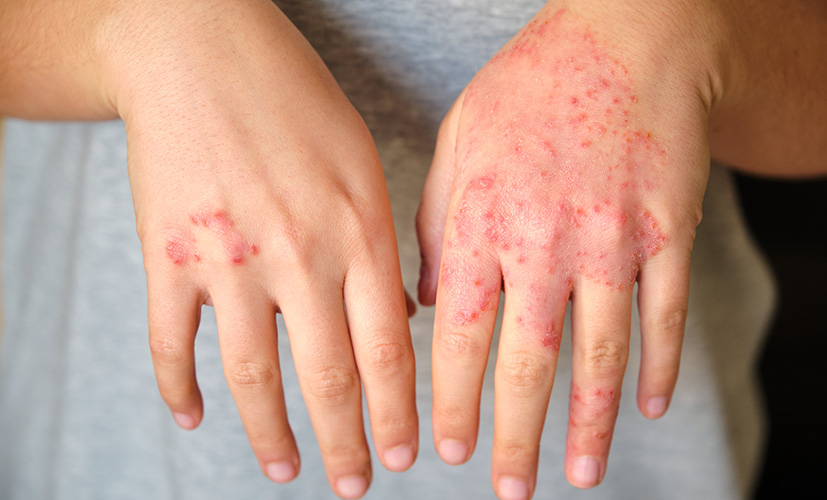
Contact dermatitis arises as an allergic reaction. It can be difficult to identify the exact trigger, as symptoms may appear up to a week after exposure. Common signs include swelling, redness, and blistering—often on the hands and face.
Other Types of Dermatitis
Other less common types of dermatitis include:
- Diaper dermatitis – affects infants and occurs where the diaper contacts the skin;
- Dyshidrotic dermatitis (dyshidrosis) – appears mainly on the palms and soles, causing redness, itching, and blistering. It is more frequent in women;
- Neurodermatitis – causes redness and intense itching, commonly affecting the hands, shoulders, scalp, neck, and elbow creases;
- Nummular dermatitis (nummular/discoid eczema) – presents as coin-shaped rashes;
- Stasis dermatitis – involves swelling, flaking, and itching around the ankles, usually related to circulatory problems.
Who Is Most at Risk for Dermatitis?
While dermatitis can affect anyone, certain groups are at higher risk:
Older Adults
With age, the skin loses elasticity and becomes more susceptible to inflammation. Dermatitis is especially common in people over 60, particularly those taking medication for chronic conditions like diabetes, which can affect the skin’s health.
Children
Children, especially infants, have very delicate skin that can be easily irritated. Dermatitis in this group is often caused by sensitivities to allergens such as pets, food, or dust. Diaper use can also lead to skin irritation.
People with Allergies
Allergy sufferers are particularly vulnerable to dermatitis, especially the atopic and contact types. Triggers can include not only food or pet dander but also environmental changes.
People Exposed to Chemicals
Occupations that involve frequent contact with chemicals or harsh substances—such as construction workers or hairdressers—can irritate the skin. Wearing protective gloves can help reduce the risk.
Common Causes of Dermatitis
Dermatitis can be triggered by various factors, depending on its type. Common causes include:
Weakened immune system – reduces the skin’s ability to defend against infections and inflammation;
Genetics – a family history of dermatitis increases your risk;
Weather conditions – extreme cold, wind, or humidity can irritate the skin;
Hormonal changes – pregnancy, menopause, or thyroid disorders can lead to skin issues.
Other potential triggers include:
- Lack of sleep
- Anxiety and depression
- Asthma
- Symptoms of Dermatitis
Symptoms vary based on the type of dermatitis but may include:
- Persistent and intense itching
- Redness and rash
- Swelling
- Dry skin
- Peeling or flaking
- Fluid-filled blisters
- Thickened, hardened skin
- Painful sores
If you notice one or more of these symptoms, it’s important to consult a dermatologist as early as possible. Timely intervention can make treatment more effective.
How Is Dermatitis Treated?
Treatment depends on the type of dermatitis. In some cases, symptoms go away on their own, which can give the impression that the issue is resolved. However, relapses are common. That’s why it’s essential to consult a specialist at the first sign of symptoms. Your doctor may recommend:
- Anti-inflammatory medications
- Phototherapy
- Special creams or ointments to relieve redness and itching
- In more severe cases, antibiotics or antifungal medications may be prescribed. Avoid self-medicating, as improper treatment can worsen your condition.
Prevention Tips
To reduce the risk of developing dermatitis, consider the following preventive strategies:
Avoid Irritants
If your job involves exposure to harsh chemicals, always wear protective gloves. Makeup products can also be potential irritants, so it’s advisable to reduce or avoid their use during flare-ups.
Keep Your Skin Moisturized
Dry skin is more prone to irritation. Use suitable moisturizers regularly to maintain your skin’s barrier. If you’re unsure which products to choose, consult a dermatologist.
Use Sun Protection
Always apply sunscreen and wear protective clothing if you spend a lot of time outdoors.
Choose Skin-Friendly Fabrics
Wear clothing made from soft, breathable materials such as cotton or linen. Avoid wool and synthetic fabrics that may irritate the skin.
Manage Stress
Chronic stress may contribute to dermatitis flare-ups. Practicing yoga, meditation, acupuncture, or getting massages can help lower cortisol levels and reduce your risk.
Conclusion
Dermatitis can affect anyone, regardless of age or health status. Now that you understand the different types, causes, symptoms, and treatment options, you’ll be better equipped to recognize early signs and take timely action.
This article is for informational purposes only and does not substitute professional medical advice. For more helpful health tips, visit our health portal.