


Summer is the ideal season to "recharge your batteries" with natural vitamins and minerals from nature. It is quick, easy, and extremely pleasant. To get your daily dose of Vitamin D and ensure guaranteed health reserves for the entire year, you only need 15 minutes in the sun. It doesn't matter if you're sunbathing on the beach, conquering mountain peaks, or having coffee on your sunny balcony at home.
But what happens in winter when the sun's rays are weak and rarely appear? Do the body's reserves get depleted, and how do you get additional amounts of this valuable vitamin? Are there recommended doses, and how do you determine a potential Vitamin D deficiency? We'll answer these and other questions in the following lines.
Vitamin D Intake - Why Is It Important?
As you already know, Vitamin D is a unique element that plays a crucial role in the proper functioning of many organs and systems in our body. It is synthesized in the skin under the influence of ultraviolet sun rays and helps absorb calcium and phosphorus in the bones. Additionally, it is responsible for the proper division and functioning of all cells in the body and is believed to influence degenerative diseases such as cancer, liver fibrosis, cirrhosis, Alzheimer's, and dementia.
The "sunshine" vitamin also regulates insulin levels in the blood and is successfully used in various diabetes prevention programs. It is known to prevent the emergence of depression. Last but not least, it supports natural immunity, mental health, lung, and heart functions.
Main Sources of Vitamin D
Vitamin D belongs to the group of fat-soluble vitamins and is one of the substances that the body can produce on its own. The body obtains it naturally through sun exposure or by consuming certain foods rich in Vitamin D. When this is not enough, a dose of dietary supplements in the form of pills, tablets, drops, or oral sprays is recommended. The variety of products for children and adults is extensive, so it is advisable to consult a specialist for the choice and dosage.
1. Vitamin D and Sun
Sun rays are the most reliable and complete source of natural Vitamin D3, also known as cholecalciferol. It is produced directly from cholesterol in the skin, and the body's accumulations depend on the duration of "sunbathing."
Sun exposure, of course, is a matter of personal preference, but to make the process healthy and the synthesis of Vitamin D as effective as possible, there are specific standards in place. These are outlined by the Ministry of Health and are included in the expert Recommendations for the Diagnosis, Prevention, and Treatment of Vitamin D Deficiency and Insufficiency.
According to the recommendations, the most suitable period of the year for "collecting" Vitamin D is from May to September when the sun is abundant. To obtain the necessary daily dose, at least 15 minutes in the sun between 10:00 AM and 3:00 PM is sufficient. An additional condition is not to use sunscreen, as it blocks UV rays and hinders the process of Vitamin D synthesis in the skin. An exception to the rule can be made during the summer months when the sun is too strong and dangerous. Then, sunbathing can be shifted to early morning or late afternoon.
Obtaining Vitamin D depends on several factors, among which age and skin tone play a major role. It is known that as we age, the cells of the dermis and epidermis lose much of their properties, and the natural synthesis of Vitamin D also decreases. For this reason, older people often suffer from deficiency and need longer periods in the sun to obtain the necessary amounts of the vitamin.
Similarly, people with different skin tones synthesize Vitamin D at different rates and should also carefully consider the duration of their "sunbathing." Light-skinned individuals, for example, need only 15-20 minutes under the bright rays, while those with darker skin need at least 30 minutes. Dark-skinned individuals, in turn, need to sunbathe for an entire hour. This explains why people living far from the equator more often suffer from Vitamin D deficiency.
2. Vitamin D and Nutrition
Through food, the body obtains Vitamin D2 (ergocalciferol), but in quite modest amounts. It represents only about 10% of the required daily dose and it is practically impossible to meet the body's needs on its own. Once ingested with food, Vitamin D2 is absorbed into the blood and stored in fatty tissue, where it is activated under the influence of sunlight.
Foods rich in Vitamin D are not many, but the variety is sufficient to maintain a healthy diet. To get acceptable amounts, include fatty fish (such as salmon, mackerel, or tuna), animal products (especially liver, fresh milk, and eggs), as well as mushrooms, nuts, and nut milks (soy, almond, etc.). From fruits, you can choose between oranges, bananas, mangoes, kiwis, apricots, strawberries, raspberries, and blueberries.
Since Vitamin D is fat-soluble, it is highly recommended to consume it in combination with foods rich in healthy fats. Examples include avocados, raw nuts, olives, and olive oil. These help the body absorb the available amounts of Vitamin D in food to the maximum extent.
3. Vitamin D and Dietary Supplements
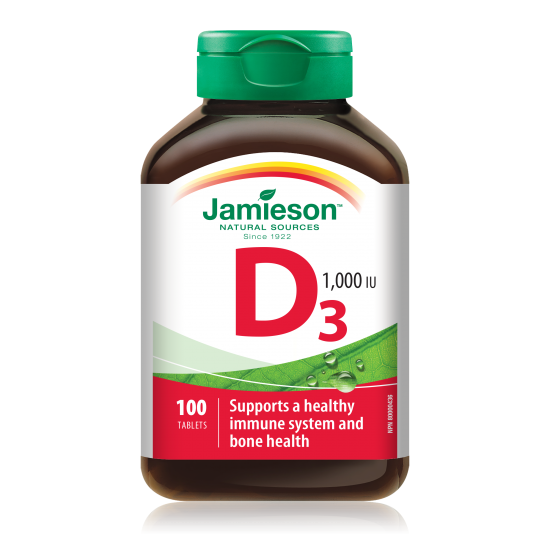
The modern alternative to sunbathing and a healthy diet are foods and dietary supplements enriched with Vitamin D. You can easily find them at your local pharmacy or drugstore. They come in convenient forms for intake, tailored to age, and the dosage is sufficient to meet the daily needs of the body without the risk of overdose.
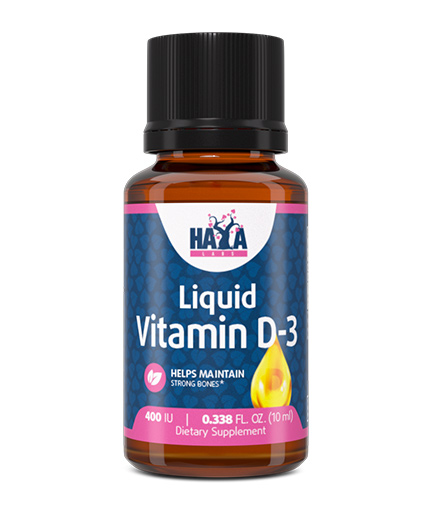
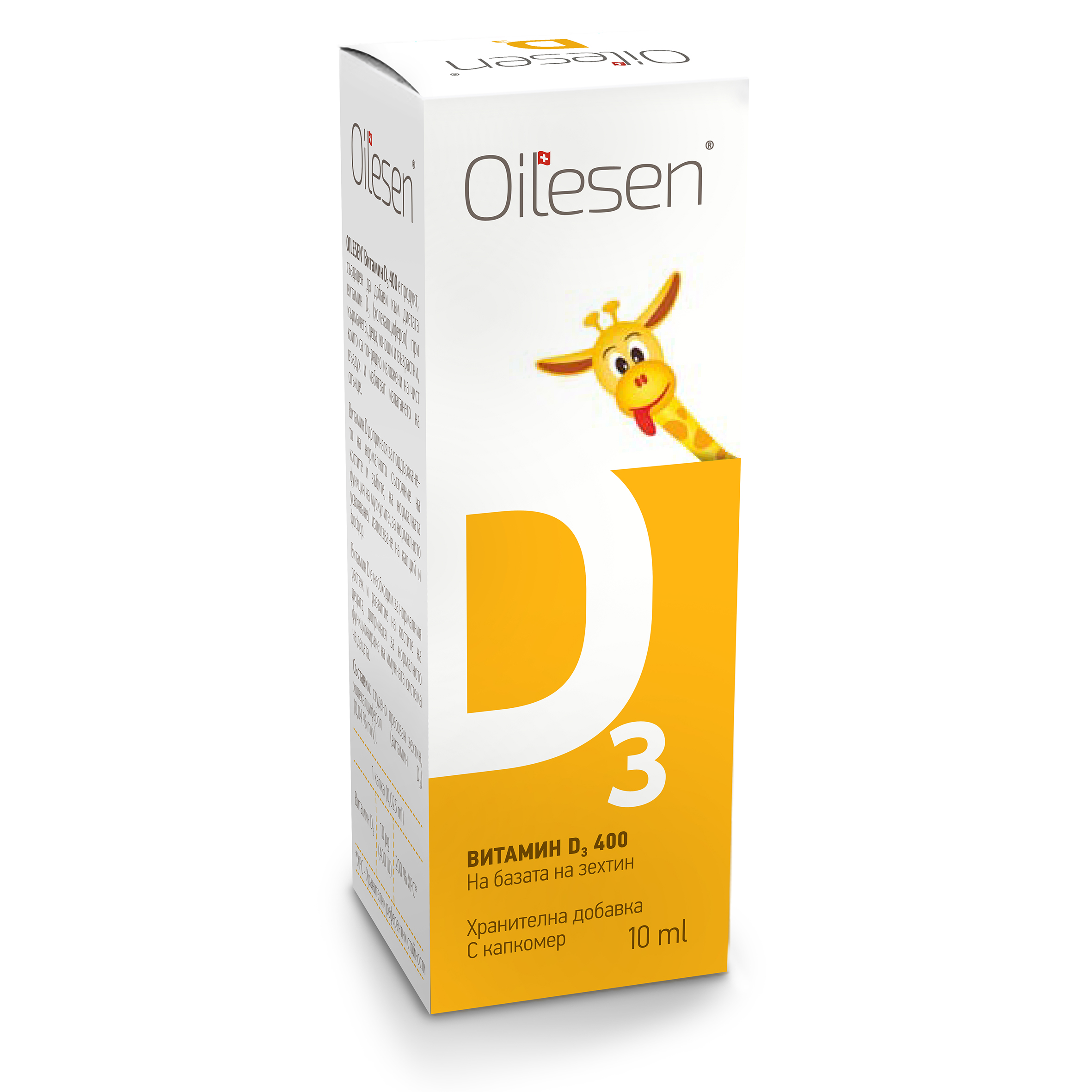
For babies and young children, Vitamin D drops are extremely suitable as they can be taken directly (under the tongue) or mixed with breast milk, other liquids, or food. Additionally, the products come with special dispensers or pipettes for easy measurement of the required amount. The liquid form of Vitamin D is also a good option for people who do not like to take pills or have difficulty swallowing capsules.
A suitable alternative to drops is Vitamin D in the form of an oral spray. It is extremely convenient for people on the go as it does not take up space in a bag or luggage.
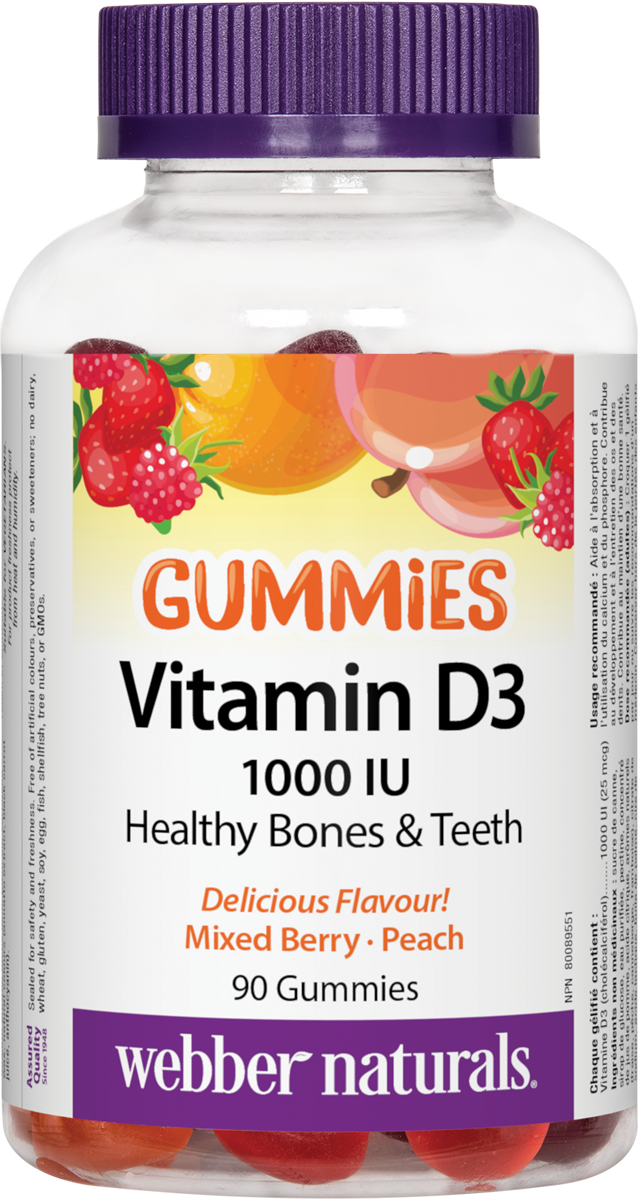
For those who prefer gummies and candies, there is a wide variety of gummy tablets with natural flavors for both children and adults. It is important to know that for better absorption of the daily dose, it is recommended to take it during meals.
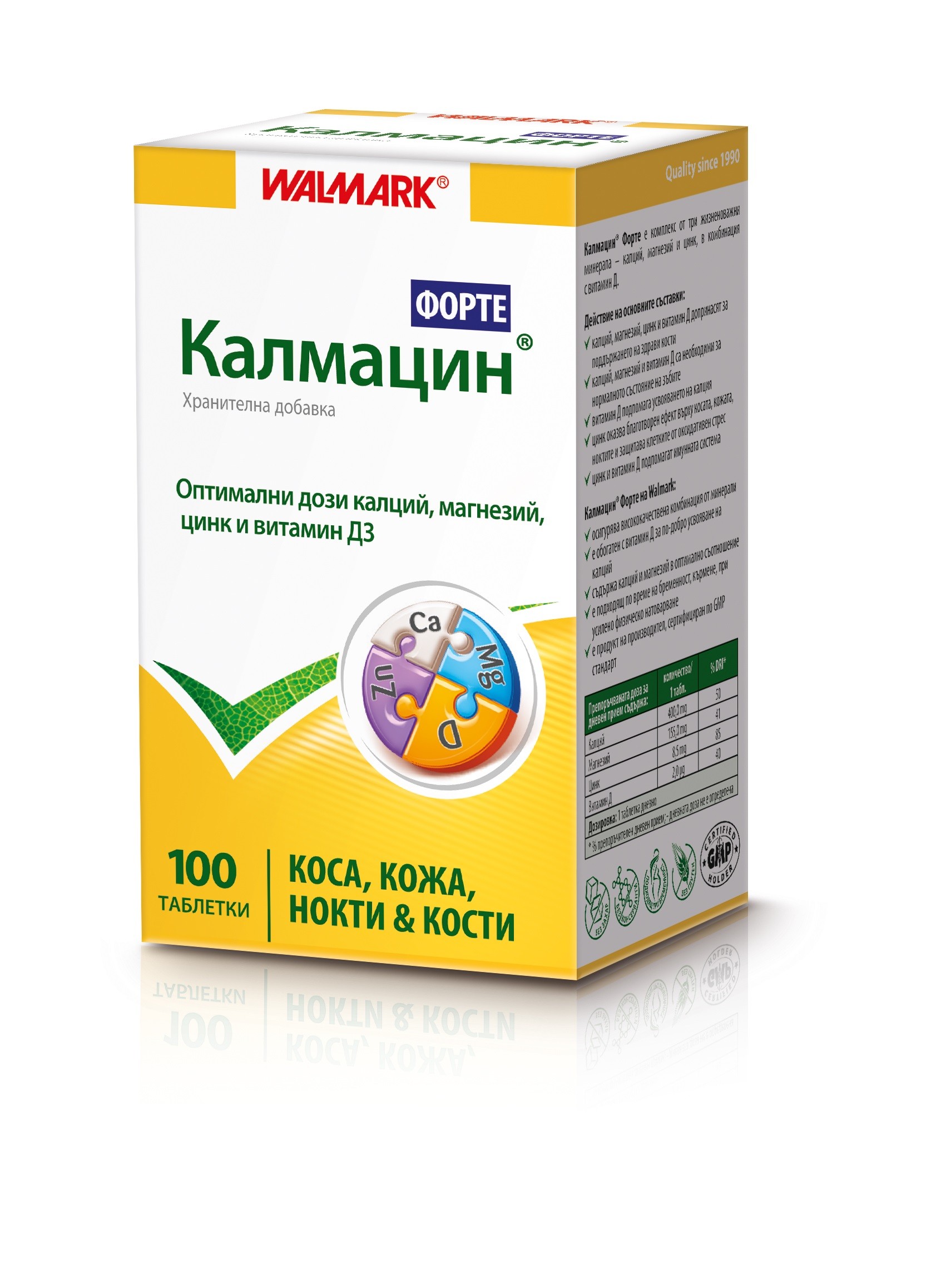
Lastly, Vitamin D is also available in combination with other vitamins and trace elements. One of the most suitable multi-forms for people over 65 years of age, for example, is a solution with Vitamins A+D3+K2, which simultaneously cares for the health of the eyes, bones, teeth, and immune system. For healthy muscles and joints, a combination with calcium and vitamins is recommended.
The market hit is sunscreen tablets with Vitamin D, which simultaneously protect the skin from burns, unwanted reactions, and allergies, and supply the body with the necessary amounts of the "sunshine vitamin."
Optimal Levels of Vitamin D
To determine whether your body has enough Vitamin D, you need to have a blood test. This test evaluates the levels of 25-hydroxyvitamin D, abbreviated as 25 (OH) D - this is the main form of the vitamin. Its levels determine whether there is a deficiency or, conversely, hypervitaminosis in the body.
Optimal values range between 50 nmol/l (nanomoles per liter) and 125 nmol/l. Accordingly, if the level is less than 30 nmol/l, it is considered that the body suffers from a deficiency, and if the level is above 125 nmol/l, it indicates an overdose.
It should be noted that test results can vary depending on gender and age, and conditions of deficiency or hypervitaminosis can only be determined by a specialist doctor (usually an endocrinologist).
Recommended Daily Dose of Vitamin D
According to the latest statistics, over 60% of people in Bulgaria suffer from a deficiency of the "sunshine vitamin." Although the number has decreased by 15% over the last 10 years, the data continues to concern specialists.
In Bulgaria, there is no universal dosage for additional Vitamin D intake, as its natural synthesis from the sun is a highly individual process - it directly depends on age, skin type, and overall health. It also matters whether the additional amounts of the vitamin are taken for the prevention of a condition or are prescribed as part of active treatment.
Nevertheless, there is an official recommended daily intake approved by the Ministry of Health and the Bulgarian Society of Endocrinology. It is age-appropriate and covers the needs of over 97.5% of the population year-round, even with minimal sun exposure.
The recommended dosage of Vitamin D is calculated in milligrams and International Units (IU), which vary in different ranges. Suitable amounts for babies and young children include between 400 and 600 IU of additional daily intake, while the recommended dosage for adults is 800-1000 IU of Vitamin D per day.
Infants and babies who are fed formula traditionally experience a deficiency of Vitamin D, especially if they do not spend enough time outdoors. Therefore, it is important to take additional amounts in the form of drops or spray. For children over 3 years old, chewable tablets with pleasant flavors are extremely suitable.
| Age | Prophylactic Daily Intake (Minimum) | Therapeutic Daily Intake (Maximum) |
| 0-6 months | 400 - 600 IU | 1000 IU |
| 6-12 months | 400 - 600 IU | 1500 IU |
| 1-3 years | 400 - 600 IU | 2500 IU |
| 4-8 years | 400 - 600 IU | 3000 IU |
2. Dosage for Adolescents and Adults
To maintain healthy levels of Vitamin D in the body, adults are recommended to take between 400 and 800 IU daily. The amounts are higher for people at risk of deficiency, namely pregnant and breastfeeding women, adults over 65 years old, and people with darker skin tones, who can take up to 4000 IU additionally per day.
People who are overweight or obese may also need larger amounts of Vitamin D, as they have more body fat.
In some cases, the dose can reach 5000 IU, even 10,000 IU per day, but then it is a matter of therapy for a medical condition or severe deficiency. In any case, doses above 4000 IU are prescribed only by a doctor, usually administered intravenously, and are not available for free sale in pharmacies.
| Age | Prophylactic Daily Intake (Minimum) | Therapeutic Daily Intake (Maximum |
| 9-18 years | 400 - 600 IU | 4000 IU |
| 19-50 years | 600 IU | 4000 IU |
| 71+ years | 800 IU | 4000 IU |
| Pregnant and breastfeeding women | 600 IU | 4000 IU |
Vitamin D intake is not recommended for people who suffer from the following conditions:
- High levels of calcium and phosphorus in the blood;
- Heart problems;
- Kidney disease;
- Sarcoidosis;
- Tuberculosis.
Vitamin D is one of the elements that should not be abused, as it accumulates in the body. Unlike water-soluble vitamins (such as Vitamin C), which are easily excreted from the body when taken in larger amounts, the "sunshine vitamin" is fat-soluble and stored in body fat to be absorbed later. Problems arise when the available amount is many times more than the body's needs and cannot be processed.
If you notice any of the described unwanted reactions and side effects, especially in combination of more than three simultaneously, this may be a symptom of Vitamin D overdose.
- Excessive thirst;
- Metallic taste in the mouth;
- Weak appetite;
- Weight loss;
- Bone pain;
- Fatigue;
- Eye pain;
- Itchy skin;
- Vomiting;
- Diarrhea;
- Constipation;
- Frequent need to urinate;
- Muscle problems.
In any case of doubt, be sure to consult your doctor and do not self-medicate