

Contents
What Is Psoriasis?
What Are the Types of Psoriasis?
Who Is Most at Risk of Developing Psoriasis?
What Causes Psoriasis?
What Are the Symptoms of Psoriasis?
What Complications Can Psoriasis Lead To?
How Is Psoriasis Diagnosed?
What Are the Treatment Options for Psoriasis?
How Can You Prevent Psoriasis?
1. What Is Psoriasis?
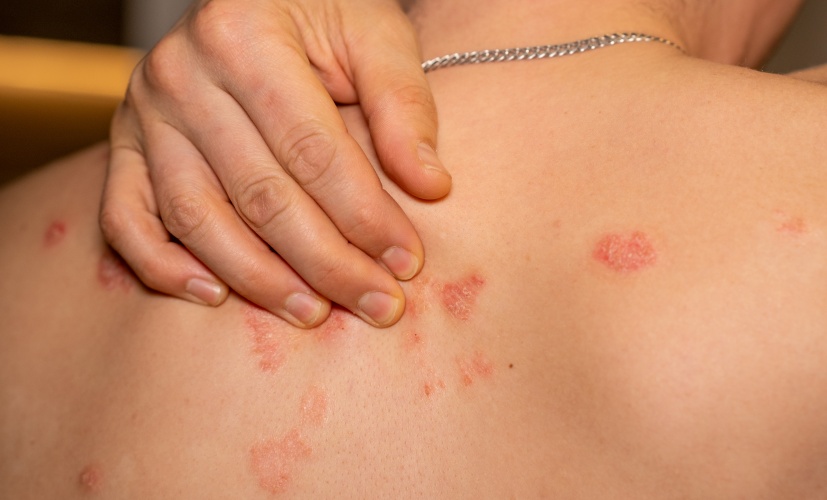
Psoriasis is an autoimmune condition that causes chronic skin inflammation. It leads to excessive skin cell proliferation, resulting in red, scaly patches in various areas of the body. Most commonly affected regions include the elbows, knees, scalp, and back, but the face and nails can also be involved.
The condition is characterized by alternating flare-ups and remission phases, with varying intensities among individuals. For some, mild skin changes occur without significantly affecting daily life, while for others, the disease can cause severe discomfort and even joint involvement.
2. What Are the Types of Psoriasis?
There are several types of psoriasis:
- Plaque psoriasis: The most common form. It appears as raised, dry, itchy skin patches (plaques) covered in scales. It mainly affects the elbows, knees, lower back, and scalp, but can appear elsewhere. Once healed, the skin may temporarily change color.
- Nail psoriasis: Affects fingernails and toenails, causing pitting, discoloration, or abnormal growth. In advanced cases, nails may disintegrate or separate from the nail bed (onycholysis).
- Sebopsoriasis (scalp psoriasis): A combination of seborrheic dermatitis and psoriasis. Characterized by redness, flaking, and oily yellowish or whitish scales, mostly on the scalp, face, and ears.
- Pustular psoriasis: A rare form, featuring pus-filled blisters. It can occur anywhere on the body, including palms and soles.
- Guttate psoriasis: Common in individuals under 18. Small, droplet-shaped, scaly spots appear on the body. Often triggered by a bacterial infection, such as streptococcus.
- Inverse psoriasis: Affects skin folds such as the groin, armpits, and beneath the breasts. It occurs in both children and adults.
- Erythrodermic psoriasis: The rarest form. A scaly rash covers most of the body, accompanied by intense itching, pain, and burning.
3. Who Is Most at Risk of Developing Psoriasis?
Psoriasis can affect anyone, regardless of age or gender. However, certain factors increase the risk, including: - Genetic predisposition: Family history of psoriasis increases your likelihood of developing the condition.
- Stress: High stress levels can trigger many health issues, including psoriasis.
- Smoking: Regular smokers are more prone to developing the disease.
- Infections: Some bacterial or viral infections can precipitate the condition.
- Medications: Certain drugs—like beta-blockers and anti-inflammatories—can provoke psoriasis.
4. What Causes Psoriasis?
The precise cause remains unknown. Some researchers believe that the immune system mistakenly attacks healthy skin cells due to risk factors noted above. Others link psoriasis to: - Cold or dry weather
- Skin injuries (cuts, scrapes, insect bites, sunburns)
- Excessive alcohol consumption
- Sudden cessation of corticosteroids
- These remain theories; none have been fully confirmed.
5. What Are the Symptoms of Psoriasis?
Common symptoms include:
- Rashes on various parts of the body
- Scalp flaking resembling dandruff
- Dry, cracked skin that may bleed
- Scaly spots
- Persistent itching
- Redness
- Burning sensations
- Thickened or raised nails
If you notice any of these signs, consult a dermatologist promptly. After examination, your doctor will determine if it's psoriasis or another condition.
6. What Complications Can Psoriasis Lead To?
People with psoriasis are at higher risk for other health issues such as:
- Psoriatic arthritis
- Eye conditions: conjunctivitis, blepharitis, and uveitis
- Obesity
- Type 2 diabetes
- High blood pressure
- Heart attack and stroke
- Other autoimmune diseases: celiac disease, Crohn’s disease, etc.
- Increased anxiety and depression due to concerns about appearance
7. How Is Psoriasis Diagnosed?
Diagnosis requires a visit to a dermatologist. The doctor will:
Perform a physical examination of the affected skin areas.
Ask about your medical history:
- When skin changes first appeared
- Family history of psoriasis or autoimmune diseases
- Factors that worsen symptoms (stress, climate, infections, etc.)
- If needed, a skin biopsy may be done to confirm the diagnosis. Blood tests aren’t specific for psoriasis but can help rule out other conditions. A biopsy involves taking a small sample from the affected skin.
8. What Are the Treatment Options for Psoriasis?
There is no cure, but several effective management strategies exist:
- Steroid creams: Prescribed for mild to moderate psoriasis. They reduce inflammation, redness, itching, and scaling. Use up to twice daily under medical supervision; misuse can cause skin thinning and stretch marks.
- Oral or injectable medications: Corticosteroids require strict medical prescription; never self-medicate. Biologics are newer therapies administered intravenously or via injection, designed to slow excessive skin cell production.
- Light therapy: Used for moderate to severe psoriasis, often alongside medications. Controlled sun exposure under medical advice can help, with proper sunscreen to prevent sunburn. Medical treatments like UVB, PUVA, or laser therapy should only be done under professional supervision with certified equipment.
9. How Can You Prevent Psoriasis?
You can’t fully prevent psoriasis, but certain measures may reduce risk: - Follow a healthy diet; consult a dietitian.
- Avoid alcohol.
- Stop smoking.
- Ensure adequate sleep.
- Exercise regularly.
10. Conclusion
Psoriasis is a chronic autoimmune condition that can seriously impact quality of life. While no cure exists, modern medicine offers a range of effective options—from topical treatments and medications to light therapy—to manage symptoms.
This article is for informational purposes and does not replace professional medical advice. Consult a specialist for personalized care.
11. Frequently Asked Questions
What’s the difference between psoriasis and eczema?
Psoriasis is a chronic autoimmune disorder causing flaky, red, scaly skin patches. Eczema is a non‑chronic condition marked by inflamed, red, itchy skin but without the scaly flakes typical of psoriasis.
Is psoriasis contagious?
No, psoriasis cannot be spread from person to person.
How long does a psoriasis flare‑up last?
Depending on severity and treatment, flare-ups can last from a few days to several weeks.