


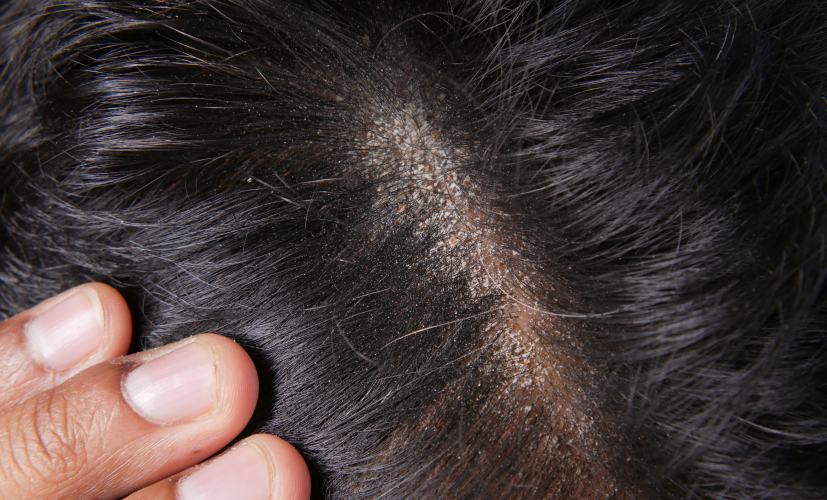
Seborrheic dermatitis is a common skin condition that affects both the scalp and other areas of the body. While not a serious health threat, it can significantly impact your self-esteem and quality of life. If you're dealing with seborrheic dermatitis or simply want to learn more about it, this article will guide you through the essentials—what it is, what causes it, what symptoms to watch for, and how you can manage it effectively.
What Is Seborrheic Dermatitis?
Seborrheic dermatitis, also known as seborrhea, is a non-contagious chronic skin condition that primarily affects areas with a high density of sebaceous (oil) glands, such as the scalp, face, upper chest, and back. It's characterized by redness, burning sensations, and persistent itching. A common visible symptom is the presence of oily, white or yellowish flakes, which may fall onto your clothes and cause social discomfort.
Who Is at Risk?
Seborrheic dermatitis affects approximately 11% of the global population and can occur at any age. However, several risk factors can increase your likelihood of developing the condition:
- Age: Most commonly seen in infants under 3 months and adults between 30 and 60 years.
- Gender: Men are more frequently affected than women.
- Oily or problematic skin: Conditions like rosacea can increase susceptibility.
- Organ transplant recipients: More prone to seborrheic dermatitis.
- Underlying medical conditions: Individuals with HIV or Hodgkin’s lymphoma are at higher risk.
- Down syndrome: Seborrhea is more common in individuals with this genetic condition.
- Neurological disorders: Parkinson’s disease, tardive dyskinesia, epilepsy, facial nerve palsy, and spinal cord injuries are associated with a higher risk.
What Causes Seborrheic Dermatitis?
The exact causes are not fully understood, but several factors are believed to play a role:
Malassezia yeast: This naturally occurring microorganism can overgrow and disrupt the skin’s balance, leading to inflammation and increased oil production.
Climate: Cold weather dehydrates the skin, while high humidity promotes fungal growth—both can trigger flare-ups.
Genetics: A family history of seborrheic dermatitis or psoriasis increases your risk.
Stress: Chronic stress may increase sebaceous gland activity, contributing to flare-ups.
Inappropriate skincare: Harsh cosmetics can irritate the skin and increase oil production.
Other triggers:
- Smoking
- Excessive alcohol consumption
- Poor hygiene
- Wearing hats or accessories that trap moisture
- Excessive sweating
- Sleep disturbances
- Frequent use of styling products
- Polluted air
- Poor diet
- Fatigue
- Hot showers
Common Symptoms
Symptoms vary depending on severity: - Mild cases: Fine, dry flakes resembling dandruff, often found on the scalp, eyebrows, or around the nose. Skin may be slightly red but not painful or itchy.
- Severe cases: Inflamed and red patches on the scalp, face, chest, back, or underarms. Flakes become greasy and thicker, and yellowish crusts may form, accompanied by itching and a burning sensation.
Other possible symptoms include:
- Dry, tight-feeling skin
- Hair loss
- Painful sores that may lead to secondary infections
- Small bumps or pustules
- Increased sensitivity to heat or cold
- Unpleasant odor in affected areas
- If you experience any of these symptoms, consult a healthcare professional to avoid worsening the condition.
Diagnosis
Seborrheic dermatitis is usually easy to diagnose through a physical examination by a dermatologist. They will check for typical signs like flaking, redness, and inflammation, particularly on the scalp and face. If there's uncertainty, the doctor may recommend a skin biopsy or laboratory tests to rule out other conditions with similar symptoms.
Treatment Options
In infants, seborrheic dermatitis (often called cradle cap) typically resolves on its own. However, it’s important to consult a pediatrician to ensure it’s not another condition.
In teens and adults, treatment is often necessary and may include:
Scalp treatment: Medicated shampoos and lotions with antifungal and anti-inflammatory ingredients. Use 2–4 times a week depending on severity. Special oils may also be recommended for pre-wash application.
Facial and body treatment: Creams containing ingredients like vitamin E, zinc, or panthenol to soothe inflammation and itching. In severe cases, oral antifungals or corticosteroids may be prescribed.
⚠️ Do not self-medicate—doing so may worsen symptoms or delay recovery. Always follow professional medical advice.
Prevention Tips
You can’t fully prevent seborrheic dermatitis, but you can reduce the risk of flare-ups with some simple lifestyle adjustments:
- Keep your skin hydrated, especially in dry winter months.
- Use gentle, non-irritating skincare and haircare products.
- Maintain a healthy lifestyle with a balanced diet and sufficient sleep.
- Avoid alcohol and tobacco.
- Manage stress through therapy, yoga, or meditation.
Conclusion
Seborrheic dermatitis can be a source of considerable daily discomfort, but with the right care and timely medical advice, it’s possible to manage its symptoms effectively. If you suspect you have this condition, consult a dermatologist to get a tailored treatment plan.
This article is for informational purposes only and does not replace professional medical consultation. For more helpful health content, visit our online health portal.
Frequently Asked Questions
Can I use regular anti-dandruff shampoo for seborrheic dermatitis?
Not all dandruff shampoos are strong enough to treat seborrheic dermatitis. Many contain milder ingredients that may not relieve inflammation and itching. Consult a dermatologist for the most suitable product.
What’s the difference between seborrheic dermatitis and psoriasis?
Though they share symptoms, they are different. Seborrhea is linked to overactive oil glands, leading to flaking and inflammation, especially on the scalp and face. Psoriasis is an autoimmune condition where skin renews too quickly, causing red, scaly, and often painful plaques, typically on elbows, knees, and the scalp.
Can seborrheic dermatitis come back after treatment?
Yes, it can. As a chronic condition, symptoms may go away and later return. Long-term management using proper skincare and lifestyle adjustments is key to reducing recurrence.