


Arthritis is a condition that causes joint inflammation and affects millions of people worldwide. It’s characterized by various symptoms, one of the most bothersome being pain, which can limit your mobility and lower your quality of life. During the colder months, this discomfort often intensifies, making it essential to take measures to ease the pain. If you want to learn how to do that, read on. In this article, we’ll explain why arthritis symptoms tend to worsen in winter and share 10 helpful tips to reduce arthritis pain during the chilly days of the year.
Why Does Arthritis Get Worse During the Cold Months?
As mentioned, winter can affect arthritis and exacerbate inflammation. According to doctors, human joints function best at moderate temperatures. When temperatures drop, the synovial fluid that acts as a lubricant for joints thickens, leading to increased pain.
High humidity and changes in atmospheric pressure during winter are other factors contributing to greater discomfort among people with arthritis. These conditions can cause swelling, reduced blood flow to the joints, and intensified inflammatory processes, often resulting in stiffness and heightened sensitivity.
Other possible reasons arthritis pain worsens in winter include:
Reduced physical activity – Many people prefer staying indoors during the cold season, which often leads to decreased physical activity. A sedentary lifestyle can reduce joint flexibility and weaken muscles.
Insufficient water intake – People tend to feel less thirsty in winter, which can result in lower fluid intake. This may cause dehydration in the joints, reducing their mobility and increasing pain and stiffness.
Psychological factors – Shorter days and gloomy weather can negatively impact emotional well-being. If you're experiencing stress or anxiety, these mental factors can heighten your sensitivity to pain. Consider seeking help from a mental health professional if you often feel tense or overwhelmed.
Low vitamin D levels – Due to limited sunlight exposure in winter, vitamin D levels in the body can drop significantly. This can weaken bones and joints, worsening arthritis symptoms. To ensure adequate vitamin D intake, consult a doctor. After testing, they can determine whether you need supplements and recommend the most suitable product.
Poor diet – Nutrition plays a crucial role in bone and joint health. During winter, many people indulge in heavy, fatty foods, which can lead to weight gain and put extra stress on the musculoskeletal system. Such foods may also trigger inflammation. If you want to eat healthily, speak with a nutritionist who can create a meal plan tailored to your body's needs.
How to Relieve Arthritis Symptoms During the Cold Months
There are several methods to help alleviate painful joint symptoms during winter.
1. Stay Physically Active
Regular exercise is key to reducing joint pain. Swimming is one of the most beneficial activities for people with arthritis, as water helps ease joint pressure. If there’s an indoor pool nearby, consider visiting it regularly.
If swimming isn't an option, try fitness workouts, dancing, or yoga—especially if you need lower-impact activities. These can help maintain joint mobility and reduce pain and stiffness.
2. Drink Herbal Teas
Herbal teas can help ease arthritis symptoms. Some of the most effective herbs include ginger, devil’s claw, primrose, rosehip, and St. John's wort. They have natural anti-inflammatory properties that can reduce pain, improve circulation, and relax muscles.
3. Dress Warmly
Cold weather can worsen stiffness and joint pain, so it's important to stay warm.
Layer your clothing when going outside. Thermal underwear is a great choice as it retains body heat. Always wear gloves, thick socks, and a hat that covers your forehead to protect your extremities.
4. See a Massage Therapist
Massage can improve circulation, reduce muscle tension, and enhance joint flexibility. For best results, visit a professional therapist experienced in treating arthritis patients.
If that’s not possible, you can gently massage painful areas at home using appropriate oils or lotions.
5. Include Turmeric in Your Diet
Turmeric contains curcumin, a powerful anti-inflammatory compound that can help relieve arthritis pain. To enhance curcumin absorption, combine turmeric with black pepper and fats.
If you prefer supplements, talk to your doctor for guidance on dosage and product selection.
6. Apply Warm Compresses
Warm compresses help improve circulation and relax stiff joints. Use a towel soaked in warm (not hot) water and wrap it around the affected area for 15–20 minutes.
Alternatively, take a warm shower to soothe muscles and reduce pain.
7. Take Omega-3 Fatty Acids
Omega-3s are known for their anti-inflammatory benefits. Include fatty fish like salmon and mackerel, walnuts, flaxseeds, and chia seeds in your diet.
If you can’t consume these foods regularly, consider taking an Omega-3 supplement. As always, consult a healthcare professional before starting.
8. Practice Meditation
Chronic stress can intensify pain perception. If you often feel anxious, try meditating or doing breathing exercises to release tension.
A mental health specialist can help you learn these techniques if needed.
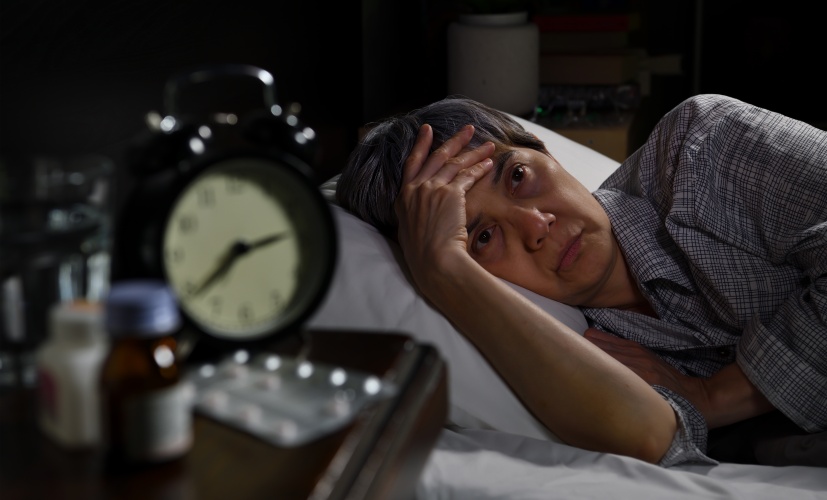
9. Get Enough Sleep
Quality sleep is vital for managing arthritis pain and inflammation. If you have trouble sleeping, try to:
- Stick to a consistent sleep schedule
- Avoid screens at least an hour before bed, as blue light disrupts melatonin production
- Create a calm, dark, and quiet sleep environment
- If sleep problems persist, consult a doctor—it might be a sign of a medical condition like sleep apnea.
10. Use Medications When Necessary
In some cases, lifestyle changes aren’t enough, and medication is required to manage arthritis pain.
Always consult your doctor before taking any medication. They’ll consider your health condition and prescribe the most appropriate treatment. Never self-medicate, as it can worsen your symptoms.
Conclusion
Arthritis pain during the cold months can be especially difficult and may interfere with even simple daily tasks. We hope the tips we’ve shared will help you relieve your symptoms and improve your quality of life.
This article is for informational purposes only and does not replace consultation with a healthcare professional. For more helpful content, explore our health portal.