


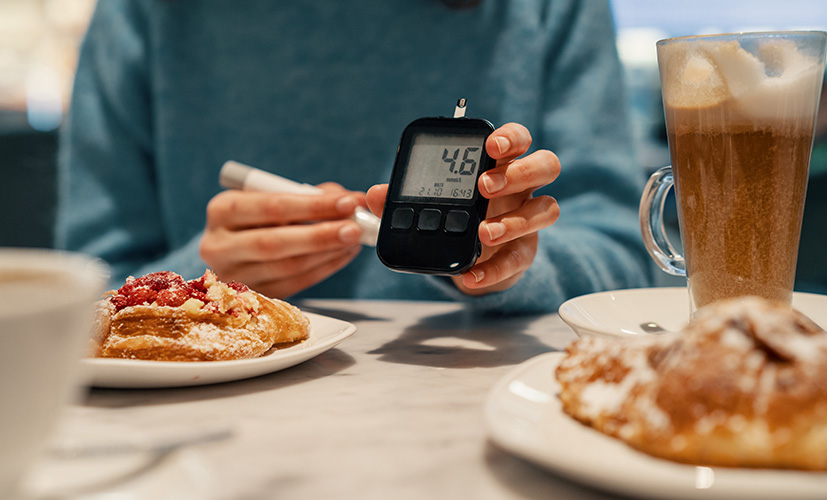
The festive season is approaching — a time of warmth, joy, and togetherness with your loved ones. As tradition dictates, these special days are often celebrated with rich, abundant meals. However, many of the delicious foods and drinks on the holiday table can interfere with maintaining normal blood sugar levels. This can become a serious issue, especially for people with diabetes.
To support your health during the holidays, we've compiled seven practical tips to help keep your blood sugar within optimal ranges. With these strategies, we hope you’ll be able to enjoy a wonderful Christmas and New Year — without worrying about your well-being.
What Is Blood Sugar?
Blood sugar, also known as glucose, is a simple sugar found in the bloodstream. It serves as the body’s primary energy source, fueling all organs and supporting their proper function.
After eating, your body breaks down carbohydrates into glucose. This glucose enters the bloodstream and is transported throughout the body with the help of insulin — a hormone produced by the pancreas. If there’s more glucose than your body needs at the moment, the excess is stored in the liver as glycogen, a complex carbohydrate that can be used later as an energy reserve.
Symptoms of Blood Sugar Imbalance
When blood sugar levels become too high or too low, your body can react with a range of symptoms.
High Blood Sugar (Hyperglycemia) Symptoms:
- Frequent urination
- Persistent thirst
- Dry mouth
- Sticky lips
- Constant fatigue
- Dizziness
- Blurred vision
- Headaches
- Nausea
Low Blood Sugar (Hypoglycemia) Symptoms:
- Weakness
- Lightheadedness
- Tingling lips
- Trembling
- Sweating
- Paleness
- Blurred vision
- Rapid heartbeat
- Disorientation
In more serious cases, low blood sugar can lead to fainting — a dangerous situation that can cause injury during a fall.
7 Blood Sugar Management Tips for the Holidays
1. Limit Your Salt Intake
Many holiday dishes are high in salt, which can lead to water retention and elevated blood pressure — both of which may affect blood glucose regulation. Consult your doctor to determine the ideal daily salt intake for you, based on factors like age and weight.
2. Avoid Excessive Alcohol
Alcohol is a common guest at holiday celebrations, but it can negatively affect liver function and impair your body’s ability to regulate glucose. Avoid drinking on an empty stomach and steer clear of sugary cocktails, liqueurs, and sweet wines. If you're taking any medications, ask your doctor whether it's safe to consume alcohol, as it may interfere with your treatment.
3. Stay Hydrated
Amid the holiday hustle and bustle, it's easy to forget to drink water. But staying hydrated is key to keeping your blood sugar in check. Try setting reminders or keeping a water bottle visible. Add lemon slices, mint, or fruit to your water for a festive touch without extra sugar.
4. Avoid Foods That Spike Blood Sugar
Certain holiday favorites can quickly raise blood sugar. If you have issues with glucose regulation, try to limit or avoid:
- Processed meats (e.g., sausages, bacon) — often high in salt
- Refined carbs like white bread, pasta, and potatoes
- Sugary drinks — including soda and many fruit juices
- Desserts and sweets — limit these or skip them entirely if you have diabetes
Instead, choose:
- Fresh fruits and vegetables
- Brown rice, quinoa
- Lean proteins like chicken, turkey, and fish
- Eggs, legumes, and low-fat dairy
- Nuts and seeds
5. Watch Your Portion Sizes
Overeating is common during the holidays. Eat slowly, pay attention to hunger and fullness cues, and stop eating when you're satisfied — not stuffed. This mindful approach can help you avoid glucose spikes and post-meal fatigue.
6. Monitor Your Blood Sugar Regularly
Even with careful planning, blood sugar can fluctuate. Regular monitoring is especially important for those with diabetes. Use a glucose meter to track levels at home, and ask your doctor how often you should test during the holidays.
7. Keep Your Medications Nearby
Always have your prescribed medications with you. Even if you're following all the right steps, unexpected changes in blood sugar may occur. Make sure you have enough medicine to last through the holidays, especially when pharmacies may be closed. Ask your doctor about suitable supplements that may support stable glucose levels as well.
Final Thoughts
Managing your blood sugar during the holidays can be challenging, but it’s not impossible. With a bit of preparation and the right mindset, you can enjoy the season without compromising your health. We hope these tips help you have a joyful, stress-free celebration.
Disclaimer: This article is for informational purposes only and should not replace professional medical advice. For more expert content, feel free to explore our health portal.