


Winter is one of the most beautiful times of the year. Unfortunately, besides the festive mood, it also brings numerous risks for the heart. This makes it particularly dangerous for people who suffer from heart diseases as well as for those predisposed to such conditions. To avoid complications during the cold days, it is advisable to take good care of your health. In this article, we will share ways to maintain your heart health during the winter months.
How Winter Affects the Cardiovascular System
Cold weather is one of the main factors that can negatively affect the cardiovascular system in winter. When temperatures drop, blood vessels constrict. This can lead to high blood pressure (hypertension), which burdens your heart and impairs its proper functioning, as well as increase the risk of blood clots, since cold temperatures can thicken the blood.
Many of you probably prefer to spend most of your time indoors during winter because the sun sets early and temperatures are rarely favorable for outdoor walks. However, staying at home can lead to physical inactivity and weight gain, which may slow blood circulation and increase the risk of hypertension.
It is also important to mention that winter is a season when many flu viruses spread. If you get infected, the virus may damage the proper function of blood vessels, increasing the risk of heart problems. For this reason, it is advisable to always wear a protective mask when in public places. This is especially important for those of you with chronic illnesses, as these conditions make you more vulnerable to viral infections.
Most Common Symptoms of Heart Problems
When your cardiovascular system is not functioning properly, you may experience some unpleasant symptoms. If these occur during winter, they can be particularly severe. Below, we list symptoms that should never be ignored:
Chest pain
If you feel persistent chest pain, it could signal a heart problem. This discomfort may feel like heaviness or tightness, making everyday activities difficult. The pain may worsen when you go outside or exert yourself physically.
Shortness of breath
Difficulty breathing can be a sign that the heart is struggling to pump blood efficiently. Like chest pain, this symptom may worsen with physical effort.
Palpitations
Irregular or rapid heartbeat can indicate an arrhythmia or other cardiovascular issues. This symptom may intensify when exposed to cold.
Constant fatigue and weakness
Heart problems often lead to persistent fatigue. If you frequently feel exhausted, your cardiovascular function may be impaired due to insufficient oxygen supply to tissues.
If you experience one or more of these symptoms, it is crucial to seek medical help as soon as possible. Timely medical intervention can prevent serious complications.
How to Protect Yourself from Cardiovascular Diseases in Winter
Taking care of your heart is important all year round, especially in winter. Here are some helpful tips to maintain cardiovascular health during the cold months:
Watch your diet
Overeating is a common problem during winter, especially around the holidays. It can lead to obesity, which is dangerous for your heart. We recommend eating moderately and frequently including foods rich in healthy fats, such as fish and nuts, which reduce inflammation and help maintain blood vessel elasticity. If you have high cholesterol, include seasonal fruits and vegetables like pumpkin and citrus fruits, which are high in fiber and beneficial nutrients. Also, limit salt intake, as excessive salt can cause fluid retention and increase blood pressure. To ensure a balanced diet, consult a nutritionist who can tailor a meal plan to your body's needs.
Stay hydrated
Proper hydration is important for cardiovascular health. In winter, thirst is usually less noticeable, so you may forget to drink enough water. This can thicken your blood and increase the heart’s workload. To remind yourself, use a phone app to send notifications at regular intervals.
Avoid smoking and excessive alcohol
Smoking and heavy alcohol consumption are major risk factors for heart health. Nicotine damages blood vessels and impairs cardiovascular function. Smoking outdoors in cold weather further constricts blood vessels, increasing heart strain. Alcohol can raise blood pressure and cholesterol levels, leading to heart rhythm disturbances and other problems.
Be physically active
Regular exercise is vital for cardiovascular health. If you go to the gym, continue doing so in winter. If you prefer not to go to the gym, try home exercises like yoga, Pilates, or light weightlifting. Make sure the exercises do not overly strain your heart; consult a cardiologist for suitable workout guidance. If exercising is not possible, try walking outdoors when weather permits.
Reduce stress levels
Stress is a major enemy of heart health. It often increases in winter due to less sunlight and holiday pressures. Chronic stress raises heart rate and blood pressure. To manage stress, dedicate time to breathing exercises, yoga, or meditation.
Sleep also affects stress. Maintain a regular sleep schedule and get at least 7 hours of sleep per night. If you have trouble falling asleep, avoid electronic devices before bed and instead engage in calming activities like reading to relax your mind and prepare your body for rest.
Support your immune system
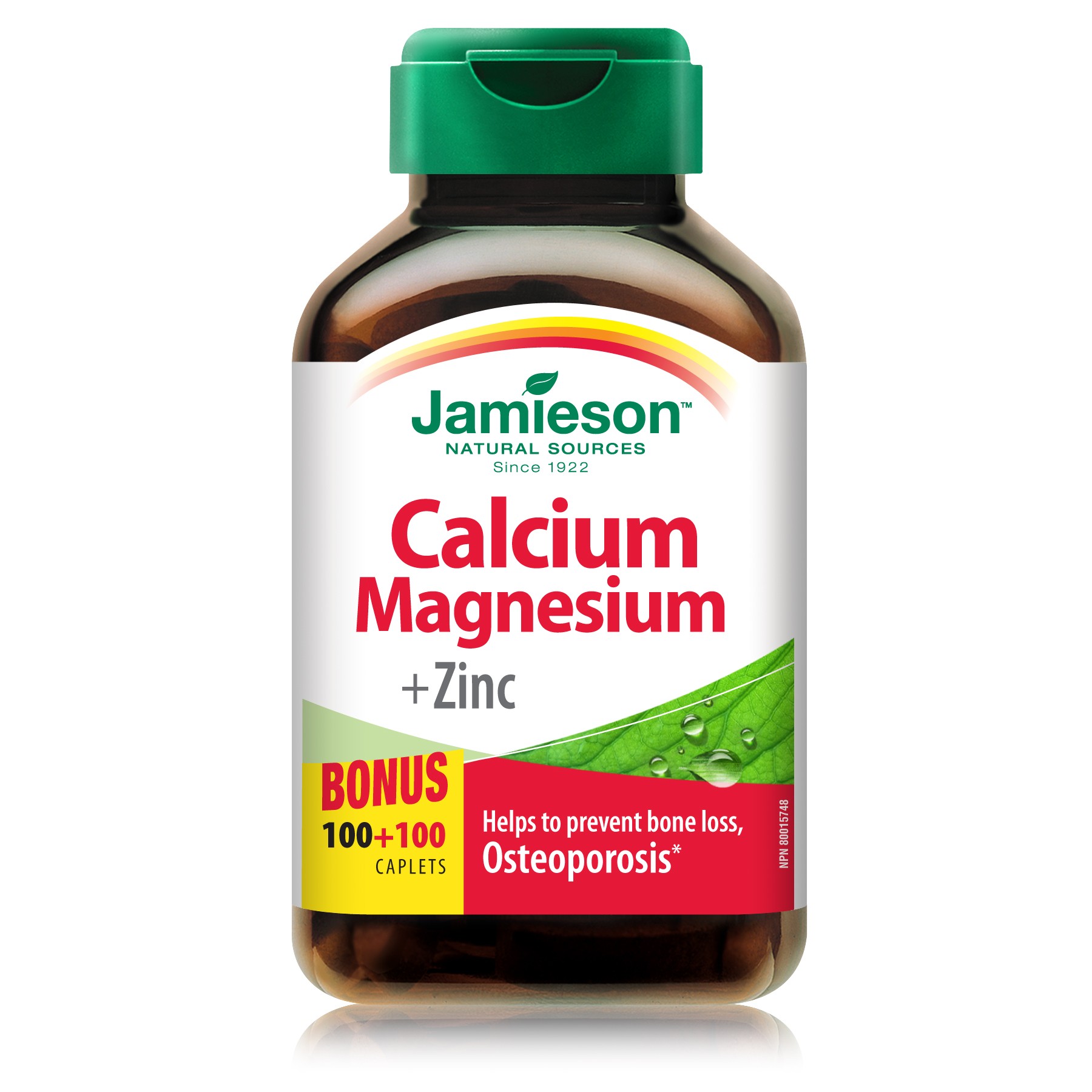
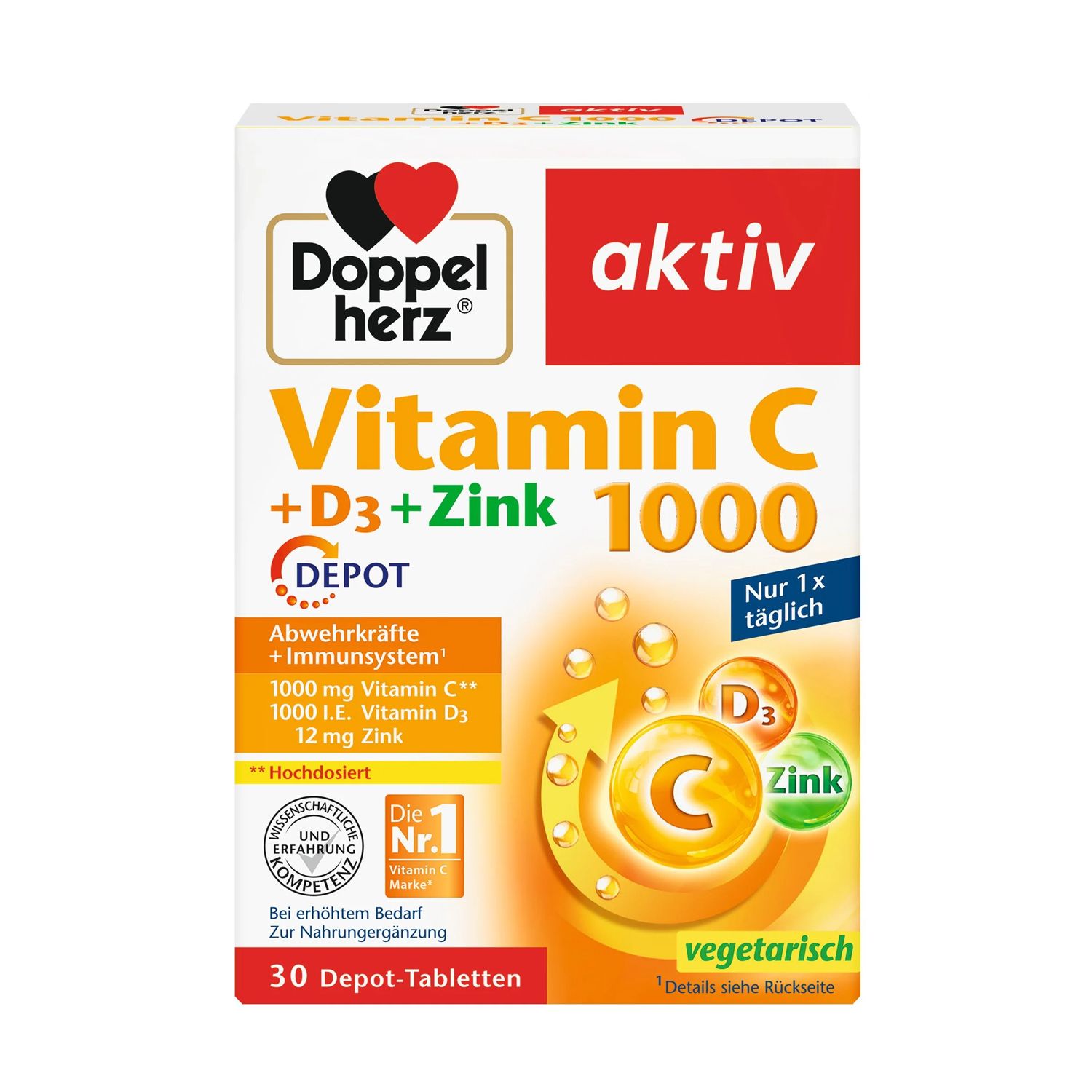
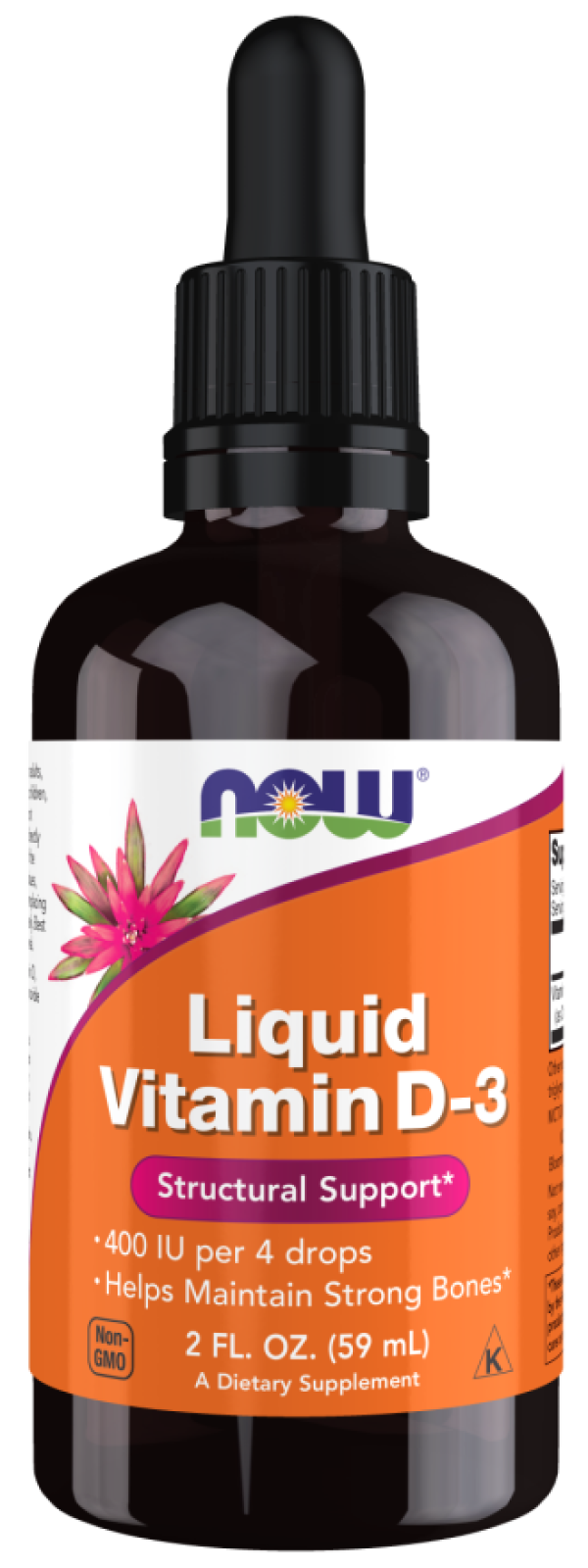
As mentioned, many viruses circulate in winter that can weaken your immunity and negatively impact your cardiovascular health. To boost your immune system, consider taking vitamin C, vitamin D, and zinc supplements, but always consult your doctor before starting any supplements. After testing, your doctor can recommend the right vitamins and minerals for you and, if necessary, prescribe medication to support your heart health.
Go for regular check-ups
Regular visits to a specialist are one of the best ways to care for your heart health. Monitoring blood pressure, cholesterol, and blood sugar, as well as early detection of heart disease, allows timely intervention. Early diagnosis helps your doctor prescribe appropriate treatment to prevent serious complications.
Conclusion
Winter brings many challenges for the cardiovascular system. Understanding the effects of cold, recognizing common symptoms of heart problems, and regular medical check-ups are essential to reduce the risk of heart complications during this season. We hope the advice shared here helps you take good care of your heart health.
This article is for informational purposes only and does not replace professional medical advice. For more useful articles, you can visit our health portal.