


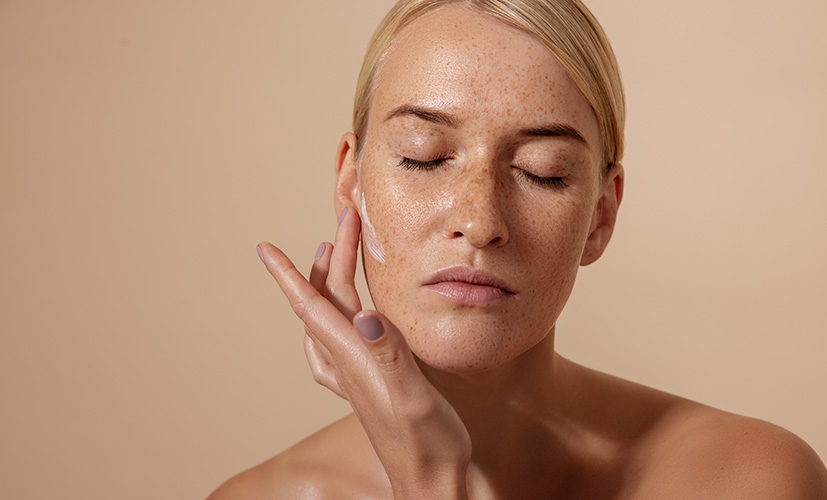
Winter is probably the most challenging season for your skin. One of the most common skin concerns during this time of year is dryness, which can be triggered by a variety of factors. In this article, we’ll explain what causes dry skin, how to recognize the symptoms, and what you can do to manage it effectively.
What Causes Dry Skin in Winter?
Dry skin, also known as xerosis, can occur year-round, but the risk significantly increases during the colder months. Below are some of the main factors that contribute to winter skin dryness:
Cold Temperatures
Cold weather is one of the leading causes of dry skin in winter. Low temperatures reduce the moisture content in the air, making your skin more vulnerable and prone to irritation.
Windy conditions can make things worse by stripping away the skin’s natural protective barrier, leading to further dehydration.
Heating Devices
To stay warm during winter, many of us rely on heating appliances such as radiators, space heaters, or central heating systems. Unfortunately, these devices dry out the indoor air, which can lead to moisture loss from your skin.
Hot Showers
Taking hot showers after a long, chilly day may feel comforting, but hot water can be harsh on the skin. It strips away natural oils and damages the skin barrier, increasing the likelihood of dryness.
Harsh Cleansers
Many winter-themed personal care products contain fragrances or ingredients that can be overly aggressive, especially on sensitive skin. These can worsen dryness and irritation. To avoid this, consult a dermatologist to help you choose shampoos and body washes with hydrating, soothing formulas suitable for dry or sensitive skin.
Who Is Most at Risk?
Dry skin in winter can affect anyone, but some people are more vulnerable than others:
- Those with sensitive skin – Cold weather can aggravate already reactive skin.
- Individuals with skin conditions – Conditions like eczema, atopic dermatitis, and psoriasis compromise the skin’s barrier, increasing susceptibility to dryness and flare-ups.
- People with hormonal imbalances – Hormonal changes, such as those during menopause or certain illnesses, can impair the skin’s ability to retain moisture.
- Seniors (65+) – As we age, collagen production decreases, circulation slows down, and skin becomes drier and thinner.
Infants and young children – Babies, especially under one year, have delicate skin that loses moisture quickly.
Common Symptoms of Dry Skin
Dry skin often presents with the following symptoms: - Flaking or peeling
- Rough patches
- Cracks in the skin
- Itching
- Redness
- Bleeding
- Increased sensitivity to touch
If you’re experiencing one or more of these symptoms, it’s a good idea to seek advice from a healthcare provider to prevent the condition from worsening.
How to Manage and Prevent Dry Skin in Winter
Successfully managing dry skin requires a consistent and thoughtful skincare routine. Here are some helpful tips:
Apply Moisturizer Immediately After Washing
Cleansing removes the skin’s natural oils, which help retain moisture. Always apply a hydrating product—preferably fragrance-free and suited for your skin type—right after washing your hands, face, or body.
Use a Night Cream
Skin cells regenerate most actively at night. Incorporating a nourishing night cream into your routine can support skin renewal and maintain hydration while you sleep. Choose a product suitable for your skin type.
Don’t Skip Sunscreen
UV rays don’t disappear in winter. In fact, snow and ice can reflect sunlight, intensifying exposure. Daily use of a sunscreen with SPF 30 or higher helps protect the skin’s barrier and prevent dryness caused by UV damage.
Invest in a Humidifier
Indoor heating dries out the air. A humidifier helps restore optimal humidity levels, supporting skin hydration. Be sure to clean your device regularly to avoid bacteria or mold buildup, which could trigger allergic reactions or skin irritation.
Incorporate Plant Oils
Natural oils like jojoba, cocoa butter, or shea butter can provide deep, long-lasting hydration. They’re especially beneficial for severely dry skin and can be used as part of your daily routine.
Choose Gentle, Breathable Clothing
Wool and synthetic fabrics can irritate dry or sensitive skin. Opt for breathable materials like cotton, which are less likely to cause friction and itchiness.
Use Dermatologically Tested Products
Medical-grade skincare for dry and sensitive skin can help manage symptoms effectively. To ensure you’re using the right products, consult a dermatologist who can recommend formulations tailored to your specific needs.
Take Skin-Boosting Supplements
Nutrition plays a key role in maintaining healthy skin. A balanced diet rich in essential nutrients is ideal, but supplements containing omega-3 fatty acids, vitamins E and D, and collagen can help fill the gaps. Always consult a healthcare professional before adding supplements to your regimen to ensure they’re appropriate for you.
Conclusion
Dry skin during the winter months is a common but manageable concern. With the right knowledge and approach, you can protect your skin and maintain its health throughout the cold season. We hope this guide helps you understand the causes, symptoms, and solutions for winter-related dryness—and encourages you to care for your skin year-round.
This article is for informational purposes only and does not replace professional medical advice. For more helpful content, feel free to explore our health portal.