

Gout is a complication of arthritis, characterized by stiffness, severe pain, and swelling. Rarely seen in women, the disease more often affects men, people who are overweight, and those with high blood pressure.
The cause of gout is the accumulation of uric acid in the body. This can lead to inflammation due to the crystals that form in the joints.
In this article, we will focus on some of the main symptoms, risk factors, possible complications, and ways to treat gout.
What is Gout
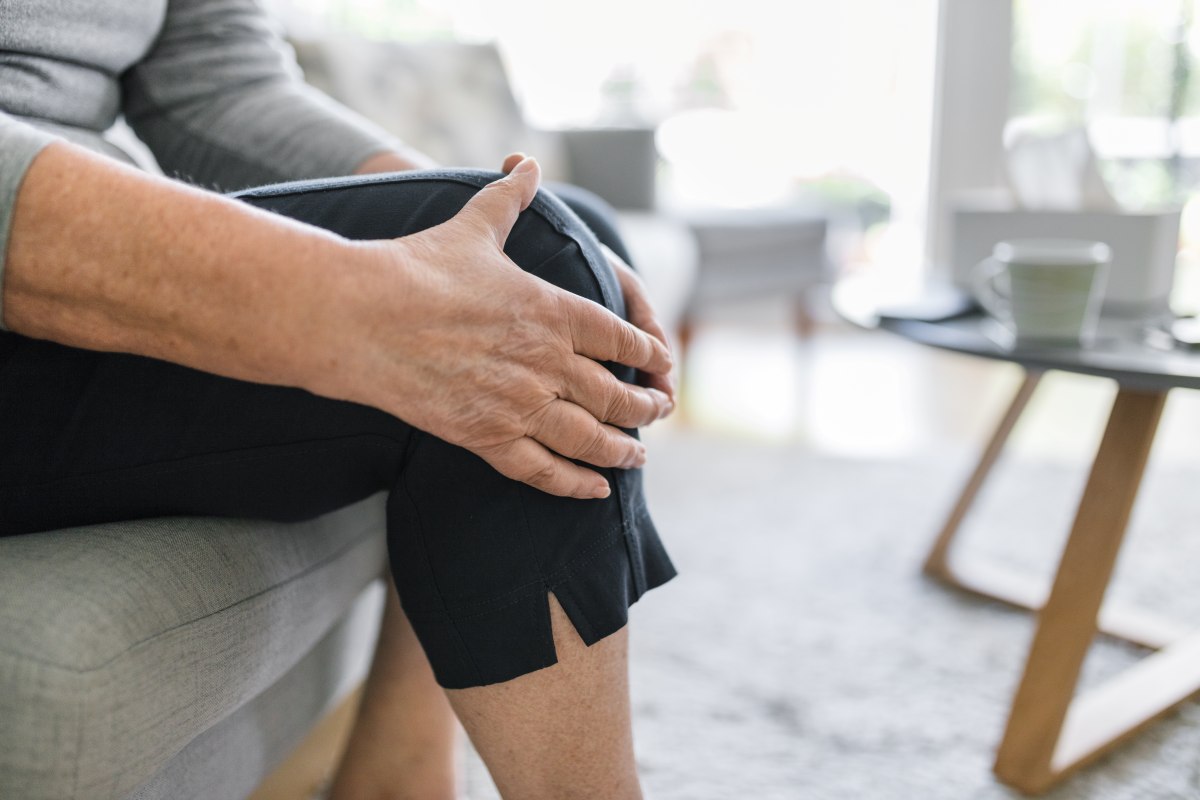
As already mentioned, gout is a painful form of arthritis. People who suffer from this disease complain of constant discomfort, severe joint pain, and sometimes a burning sensation.
In some people, the body produces a larger amount of uric acid, while in other cases, the kidneys fail to effectively eliminate it from the body. All this can lead to the formation of sharp crystals in the joints and tissues, causing the development of gout. We advise you to regularly monitor your kidney health and take measures in time if it is found that there is a risk for you.
Symptoms of Gout
There are some typical symptoms of gout. Of course, they can also signal another disease, so consult a doctor at the first signs of a health problem.
The main characteristic of gout is the feeling of severe and sharp pain in the joints, most often affecting the big toes. Other symptoms of gout include:
- Swelling;
- High temperature;
- Difficulty moving;
- Stiffness;
- Severe sensitivity;
- Redness;
- General discomfort.
- All of these indicate a condition that you should pay attention to as soon as possible.
- Risk Factors
There are some factors that increase the risk of gout. They can be related to lifestyle, diet, some harmful habits, as well as health problems. In the following lines, we will talk more about them.
- Genetics
Gout can be genetically transmitted. Carefully investigate whether any of your family members suffer or have suffered from this disease to be aware of whether you are predisposed to it or not. - Age and Gender
Among the main risk factors for gout are age and gender. It usually affects men over the age of 40. This is due to the fact that they have more uric acid. Naturally, women are also at risk of the disease, especially those in the post-menopausal period, as their uric acid levels increase during this time. - Overweight
Being overweight can cause many health problems, one of which is gout. People in this risk group produce more uric acid, which is harder to eliminate from the body due to impaired kidney function.
Diet
After mentioning overweight, we must also pay attention to eating habits. If you are one of those who eat more meat and/or seafood, it is important to know that the risk of developing gout is higher for you. This is also true for those who consume excessive amounts of alcohol, as well as artificially sweetened and/or carbonated drinks.
- Medication Intake
Taking certain medications can increase uric acid levels in the body. If you are taking medications and have concerns about this, read their leaflets carefully. If you do not find information on this issue but want to be sure that you are not putting yourself at risk, consult your doctor. They will tell you if there is a risk of increased uric acid levels in your body due to the prescribed medication. It is also possible that they will prescribe a different medication to replace the current one. - Possible Complications
Gout, like other health problems, can worsen. If you do not pay attention to the symptoms in time and delay visiting a doctor, some complications may arise that can turn your daily life into a challenge. - Permanent Joint Damage
Joints can be permanently damaged if you do not react at the first signs of gout and do not take measures for treatment. The pain can become chronic, and in some cases, it is even possible to reach joint deformation, which significantly hinders your movement.
Attacks
Gout is characterized by so-called attacks. They represent sharp pain that can torment you for a week or two. If you do not pay enough attention to the disease, these attacks may become more frequent and painful.
An attack can occur at any time of the day. Most often, this happens at night, as the body is at rest and the exchange of fluids around the joints almost stops.
Kidney Stones
Kidney stones can be painful and unpleasant. If your uric acid levels in the blood are higher, this condition may occur. In addition to pain, it can lead to some complications related to kidney function, so it is recommended to have preventive examinations of these organs by a doctor.
Treatment and Prevention of Gout
Gout is a health condition that can completely take away the pleasure of your daily life. Of course, if you take the right measures, it is possible to significantly reduce discomfort and lead a normal life. Now we will focus more on how gout is treated.
Drink Enough Water
Water is extremely important for the health of every person. Daily needs are individual and depend on many factors such as weight, age, physical activity, and others. To be sure that you are consuming the right amounts, it is recommended to consult a doctor. They will tell you how much water you need every day to be sufficiently hydrated. This way, you will help your body eliminate the uric acid that causes this unpleasant disease, and you will feel good.
Monitor Your Weight
As you already know, being overweight can increase the risk of gout. To minimize the chances of this happening, we advise you to maintain it within healthy limits. In addition to a suitable diet, it is desirable to include movement in your daily life.
Diet
Nutrition is of particular importance for your well-being. If you suffer from gout or want to reduce the risk of developing this disease, it is important to limit the consumption of:
- Seafood, especially anchovies, sardines, mackerel, and herring;
- Game meat;
- Red meat;
- Foods high in fructose;
- Some vegetables, including tomatoes, peppers, spinach, and celery;
- Alcohol.
Of course, there are also foods that are recommended to include in your menu. Some of them are:
- Fruits and vegetables high in vitamin C;
- Low-fat dairy products;
- Legumes;
- Whole grains;
- Nuts.
You can consult a specialist who can create a diet specifically for you. They will consider your needs and desires, as well as your health condition.
- Movement
Movement is the foundation of good health. To reduce the risk of gout, it is important to exercise. If you have problems that do not allow you to train or are of advanced age, you can take walks or do lighter exercises.
- Vitamins
Some vitamins, such as vitamin C and vitamin D, can be beneficial in reducing inflammation and the development of gout. However, it is recommended to consult a doctor before taking them. Based on their assessment, tests will be conducted to determine whether your body needs additional vitamin intake or not.
Teas
A wide variety of teas that alleviate gout symptoms can be found on the market. They help the body eliminate uric acid more easily, significantly reducing pain and discomfort.
Cherry Consumption
One of the well-known remedies for gout is cherries. They can significantly reduce uric acid levels in the body, which will have a beneficial effect on your condition. It is recommended to consume them raw.
If you wish, you can also ask your doctor about taking a cherry extract supplement to care for your joint health in a convenient and easy way. - Medications
Sometimes medications are necessary to deal with unpleasant pain. However, before turning to them, a visit to the doctor is required. After an examination, they will determine which product is most suitable for you and explain how to take it. Do not self-medicate, as this can significantly worsen your condition.
Conclusion
From this article, you learned what gout is and how it is treated. It is important to remember to pay attention to your body's signals. If you experience pain or discomfort, do not delay and visit a specialist at the first opportunity. This is the only way to be more at ease and avoid some permanent damage that can hinder your daily life and take away the joy of living.
You can find more informative health-related articles on our Health Portal.