

Contents
What is a heart attack
Main signs of a heart attack
What to do if you suspect a heart attack
Risk factors and prevention
When to seek medical help
Conclusion
Frequently Asked Questions
A heart attack often seems sudden, but our body usually sends signals in advance. If we learn to recognize the early symptoms, we can save not only our own life but also that of a loved one. In this article, we’ll look at the signs of a heart attack, what to do if you suspect one, which factors increase the risk, and how to respond appropriately.
What is a Heart Attack
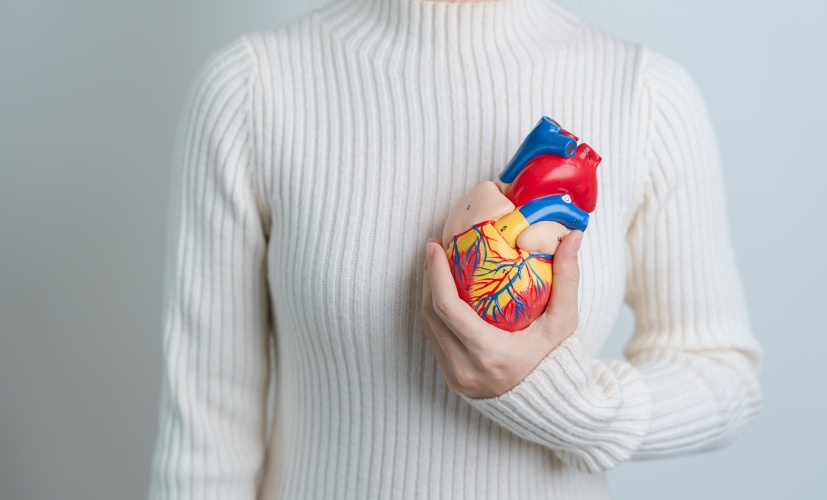
A heart attack, also known as a myocardial infarction, occurs when blood flow to part of the heart muscle (myocardium) is suddenly interrupted. This muscle powers the heart and enables it to pump blood. The most common cause is a blockage in a coronary artery due to a blood clot formed on an atherosclerotic plaque—a hard and fatty buildup on the inner walls of arteries that narrows blood vessels and impedes blood flow.
When oxygen supply to the heart tissue is cut off, cells begin to die within minutes. That’s why quick action is crucial. According to the Mayo Clinic, every minute of delay increases the risk of permanent damage or fatal outcome.
Although a heart attack is a serious condition, it doesn’t always result in death. Many people survive heart attacks, and the chances of recovery depend on quick and correct response in the first moments.
Main Signs of a Heart Attack
Although a heart attack occurs suddenly, symptoms usually develop gradually and don’t always involve sharp pain. They can be mistaken for other conditions, making timely recognition difficult. The most common signs include:
Tightness or pressure in the chest – a feeling of heaviness, burning, or squeezing in the center or left side of the chest, lasting more than a few minutes.
Pain radiating to the arm, shoulder, neck, back, or jaw, usually on the left side.
Shortness of breath, which may occur with or without chest pain.
Cold sweat, nausea, dizziness, or sudden weakness.
Changes in blood pressure and pulse – some people experience rapid or very weak heartbeat.
Women often have atypical symptoms such as unexplained fatigue, nausea, or back pain. These early signs of a heart attack often go unrecognized, especially if not accompanied by chest pain.
It’s important to note that symptoms may appear days before a heart attack, such as easy fatigue, unexplained anxiety, sleep or digestive problems. According to the Mayo Clinic, early recognition significantly increases the chances of a favorable outcome. That’s why it’s important to pay attention to your body and not delay consulting a doctor when warning signs appear.
What to Do if You Suspect a Heart Attack
If someone around you shows signs of a heart attack, act immediately:
Call emergency services at 112 without delay. Every minute of delay increases the risk of permanent damage or death.
Keep the person calm – help them sit comfortably and lean back, speaking calmly and confidently to reduce their stress.
Give one aspirin tablet (150–300 mg) if there’s no allergy or active bleeding/ulcer. It slows blood clotting and may reduce heart damage.
If possible, measure blood pressure and pulse – during a heart attack, blood pressure may drop sharply, and pulse may be rapid or irregular.
Do not give food or water to the person to avoid complications.
Do not let the person drive or move excessively to prevent worsening of the condition.
Do not leave them alone – if breathing or heartbeat stops, begin CPR and artificial respiration immediately if you know how.
Early response greatly increases survival chances and eases recovery. Even if the symptoms turn out to be from another cause, it’s better to act immediately than to take a risk.
Risk Factors and Prevention
Knowing the risk elements allows for taking measures to reduce the likelihood of a heart attack. The most important factors affecting heart health are:
- High blood pressure – causes pressure on artery walls, damaging them and increasing blockage risk.
- High cholesterol levels – especially LDL (“bad” cholesterol), which leads to plaque buildup in blood vessels.
- Type 2 diabetes – elevated blood sugar accelerates blood vessel damage and supports atherosclerosis development.
- Smoking – toxins in cigarettes constrict blood vessels and damage their walls, increasing thrombosis risk.
- Sedentary lifestyle – lack of movement often leads to overweight, which further strains the heart and metabolism.
- Heredity – if there are cases of heart attack in your family, the risk is higher and extra caution is needed.
- Stress and depression – constant mental pressure can raise blood pressure and trigger dangerous cardiovascular reactions.
Many of these factors can be controlled through lifestyle changes. Prevention includes regular physical activity – at least 30 minutes of moderate movement five times a week – and healthy eating focused on fruits, vegetables, and whole grains, while limiting saturated fats, salt, and sugar.
Controlling blood pressure and cholesterol levels is also important and requires regular monitoring and following medical advice.
Quitting smoking, even for just one year, significantly reduces heart attack risk.
Managing stress through techniques like deep breathing, walking, yoga, or consulting a specialist also plays a key role.
Starting with small, sustainable steps today can have a huge impact on your health tomorrow.
When to Seek Medical Help
Seek immediate medical help at the first signs of a heart attack – such as sudden chest pain or tightness, difficulty breathing, extreme fatigue, or unusual weakness. Also pay attention in the following situations:
Symptoms appearing days before a heart attack – such as persistent fatigue, insomnia, or mild chest tightness;
Recurrent chest discomfort, especially during physical exertion or stress;
High blood pressure accompanied by headache, dizziness, or nausea;
Rapid or irregular heartbeat without an obvious cause.
Even if you’re unsure, it’s better to act in time. A consultation with a cardiologist can prevent serious consequences and save a life.
Conclusion
A heart attack is not a sudden catastrophe but often the result of accumulated risks and ignored signals. Knowing the symptoms and responding quickly can be decisive for the outcome. Awareness, timely help, and sensible prevention are your best shield against this serious heart condition.
Heart care begins with daily choices – balanced nutrition, movement, blood pressure and cholesterol control, and the ability to listen to your body.
This article is for informational purposes and does not replace professional medical advice. If you suspect heatstroke, seek medical help immediately.
Frequently Asked Questions
How can I tell the difference between a heart attack and a panic attack?
How can I tell the difference between a heart attack and a panic attack?
In a panic attack, the pain usually does not radiate and is not accompanied by cold sweat. A heart attack often has a stronger physical manifestation and does not pass within minutes.
What is the difference between a heart attack and cardiac arrest?
A heart attack is a blockage of an artery that leads to a lack of oxygen in the heart muscle, while cardiac arrest is when the heart suddenly stops beating. A heart attack can trigger cardiac arrest.
Can a heart attack occur without chest pain?
Yes. Especially in women, diabetics, and older adults, symptoms may be milder or different—such as fatigue or shortness of breath only.
What blood pressure and pulse values are concerning?
Blood pressure below 90/60 mmHg combined with a rapid or irregular pulse may indicate a medical emergency. On the other hand, during the acute phase of a heart attack, the patient may also have high blood pressure, which also requires attention. It’s important to monitor for instability in blood pressure and pulse—significant fluctuations or unusual values can be a sign of a serious health issue and require immediate medical evaluation.
How is a heart attack treated?
Diagnosis is first made through ECG and blood tests. Then treatment is applied to restore blood flow—via medication, stent placement, or surgery. Follow-up therapy includes medications and lifestyle changes.