

Iron Deficiency Anemia
The importance of iron during pregnancy and the postpartum period is vital, yet often overlooked. Physiological iron requirements are about three times higher during pregnancy compared to menstruating women. Iron absorption is regulated by the size of iron stores in the body. However, the diets of women in developing countries often lack sufficient bioavailable iron to meet these needs during the second and third trimesters—even if iron stores are adequate at the beginning of pregnancy.
Iron deficiency anemia (IDA) is more likely in women of reproductive age due to menstrual blood loss. However, extremes of blood loss, such as regular blood donation, diets low in bioavailability, and the challenges of pregnancy, significantly increase the risk of iron deficiency. Pregnancy involves a 48% increase in blood volume, resulting in hemodilution and physiological anemia. The heart is displaced upward, the myocardium thickens, and cardiac output increases. These hemodynamic changes are essential during pregnancy as they deliver additional blood to the feto-placental unit and the expanding maternal organs, such as the breasts, uterus, skin, and kidneys. A recent meta-analysis studying blood volume changes in 347 women across all trimesters of uncomplicated pregnancies noted an increase of 6% in the first trimester, rising to 26% in the second, and peaking at 48% in the third trimester, just before delivery.
A comprehensive review of the literature reveals that iron deficiency is a global nutritional issue. WHO reports a global prevalence of iron deficiency anemia of 37% in pregnant women, and the 2023 NICE guidelines report a prevalence of 23% in the UK. This indicates that IDA in pregnancy is a concern in both developing and developed countries.
Maternal iron deficiency anemia increases the risk of severe pregnancy complications, including maternal death, postpartum hemorrhage, stillbirth, and preterm birth. Emerging data also suggest that maternal IDA may affect the mental health of pregnant women. IDA during pregnancy can also increase the risk of neonatal anemia and neurodevelopmental, cognitive, and behavioral disorders. Gastrointestinal side effects from standard oral iron are common, including constipation and nausea, or in severe cases, vomiting. Compliance with oral iron supplements is low during pregnancy, with many women reporting the side effects as worse than the anemia itself.
During pregnancy, IDA is identified via routine care pathways, including blood tests. However, postpartum women rarely receive blood tests unless there are additional clinical indications—usually suspicion of infection or postpartum hemorrhage (PPH). Yet all women experience blood loss after delivery, and many develop anemia. NHS Blood and Transplant (NHSBT) found that the prevalence of IDA during pregnancy exceeded 30.4% in some centers, and 41.3% in the puerperium.
Postnatal care has long been referred to as the “Cinderella” service in maternity care—by both women and healthcare professionals. Women also continue to report insufficient or inconsistent information about infant feeding, especially after the birth of their first child. These findings highlight the importance of supporting new mothers and their families in better understanding postpartum recovery. Lack of postnatal care has profound implications. Reports of postnatal mental health issues have recently reached record levels. Up to 20% of mothers experience mental health issues, many of which go unreported due to fear of consequences. Postnatal depression is one of the most common mental disorders during the postpartum period. Iron plays a central role in many vital processes as it is a catalytic component of essential metabolic enzymes in the citric acid cycle, mitochondrial respiration, replication, and neurotransmitter synthesis. According to the NHS (2021): untreated iron deficiency anemia “can make you more vulnerable to illness and infection, as it affects the immune system.” It can also increase the risk of complications affecting the heart or lungs, such as abnormally fast heart rate (tachycardia) or heart failure. During pregnancy, it may lead to increased risks of complications before and after delivery. Additionally, IDA may impact cognitive function and mood. After birth, anemia is associated with fatigue, and increasing evidence suggests a link between anemia during and after pregnancy and a higher risk of postnatal depression.
Recommendations
Preventative measures could be a tool for change. Just as women are advised to take vitamin D and folic acid, low-dose iron should be considered standard during pregnancy. Supplementing iron postpartum may support energy levels and recovery during bleeding and healing after delivery.
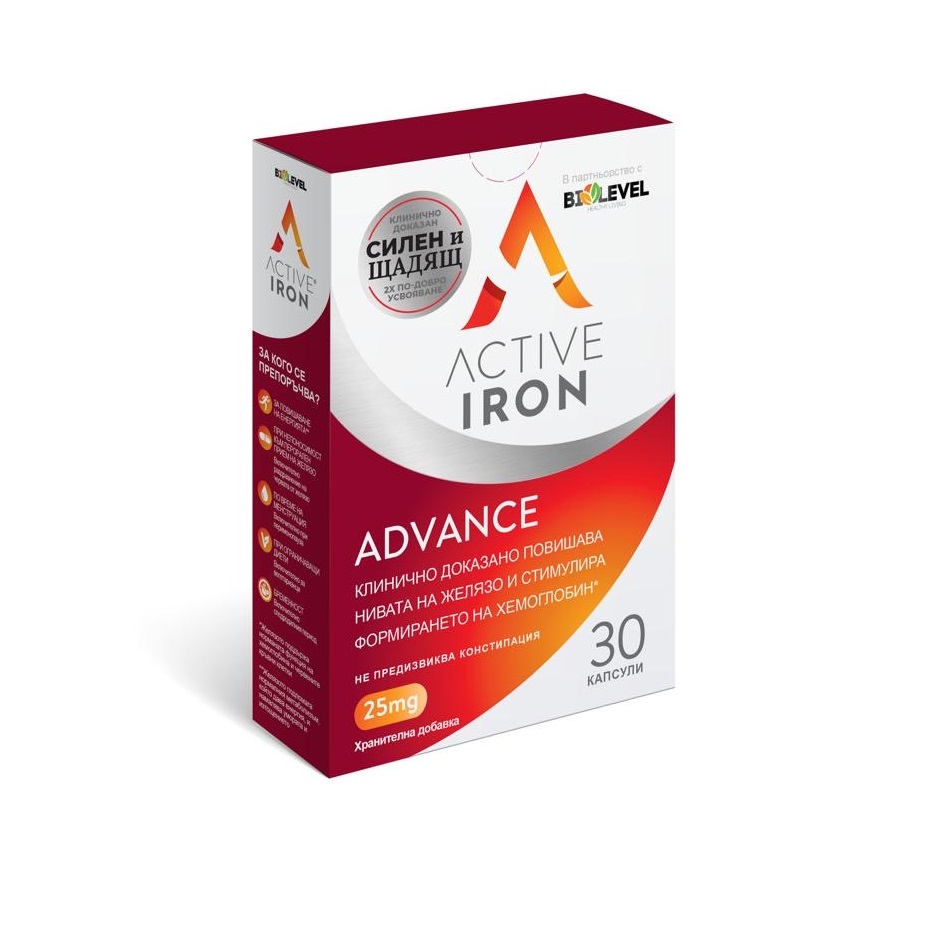
If a woman is not taking iron, healthcare professionals should consider the impact of IDA on both mental and physical well-being. Mothers often focus on newborn care and neglect their own needs, which can be detrimental. ACTIVE IRON is clinically proven to increase iron levels by 94%, while avoiding gastrointestinal symptoms like nausea and constipation.
Conclusion
The postnatal period does not truly end at eight weeks. Many mothers continue to recover physically and emotionally for some time and need awareness of the importance of iron during this stage of life. This may reduce postnatal anemia and could influence the prevalence and severity of postnatal depression and other health consequences outlined earlier—supporting a healthier transition into motherhood.