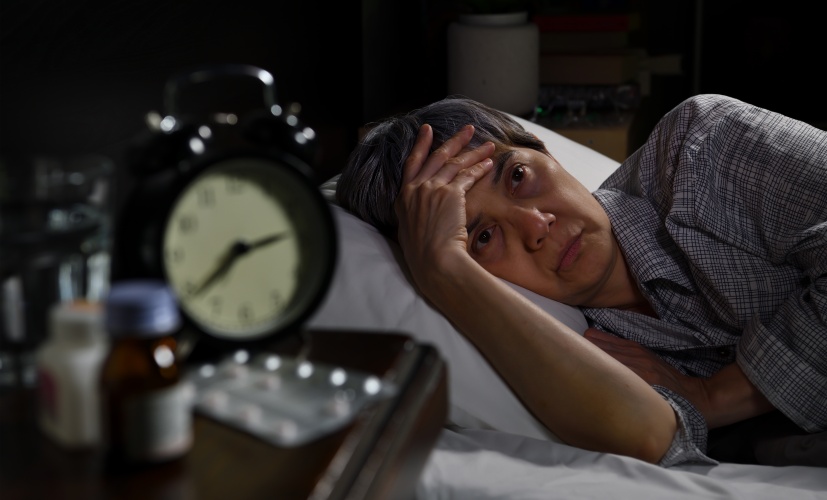



The change of seasons often brings an unpleasant sense of melancholy and can impact your energy levels, disrupting your usual daily rhythm. This is commonly due to seasonal depression—a condition that occurs most frequently during the winter months. In this article, we’ll explore what seasonal depression is, what causes it, the symptoms to look out for, and some useful tips for managing it.
What Is Seasonal Depression?
Seasonal depression, also known as Seasonal Affective Disorder (SAD), is a type of depression linked to changes in the seasons. Its symptoms typically begin in early autumn, worsen in winter, and subside in the early weeks of spring. SAD can interfere with even the simplest daily tasks, such as bathing, brushing your teeth, cooking, and more.
There’s also a less common form called summer depression. As the name suggests, it occurs during the warmer months, usually starting in late spring and ending in early autumn.
What Causes Seasonal Depression?
Scientists are still not entirely certain about the exact causes of SAD. One theory is that it’s triggered by a lack of sunlight during the colder months. Other contributing factors may include:
- Disruption of the biological clock – When winter arrives and clocks are set back an hour, it can disturb your body's natural rhythm and make it harder to adjust to shorter days.
- Low serotonin levels – A deficiency in vitamin D, due to fewer daylight hours, can reduce serotonin levels in the body—a hormone that plays a crucial role in mood regulation.
Increased melatonin production – Melatonin, a hormone that influences sleep and mood, may increase during the shorter days of winter, potentially leading to SAD. - Social isolation and reduced physical activity – Many people tend to stay indoors during winter, which limits social interactions and physical activity, both of which are important for mental well-being.
- Stress – If you lead a stressful lifestyle, you may experience sharp mood swings and fluctuating energy levels. Combined with reduced sunlight, this can contribute to the onset of seasonal depression.
Who Is at Risk of Developing Seasonal Depression?
Seasonal depression can affect anyone, regardless of age or gender, though it’s more common in women and individuals under the age of 30. Other risk factors include:
- Genetic predisposition – If someone in your family has experienced SAD or another form of depression, your risk may be higher.
- Existing mental health conditions – If you have depression or bipolar disorder, your symptoms may worsen during the winter months.
What Are the Symptoms of Seasonal Depression?
Winter depression can cause a range of symptoms, including:
- Persistent sadness
- Oversleeping
- Apathy
I - ncreased cravings for carbohydrates
- Overeating
- Weight gain
- Feelings of guilt
- Heightened anxiety
- Chronic fatigue
- Hopelessness
- Difficulty concentrating
- Irritability
- Reduced libido
- Heaviness in the limbs
- Feelings of worthlessness
- Loss of interest in previously enjoyable activities, including social interactions
Summer depression, on the other hand, is usually characterized by:
- Insomnia
- Poor appetite
- Weight loss
I - ncreased anxiety
- Severe irritability
If you experience any of these symptoms, it’s crucial to take action right away and speak with a healthcare professional. Left untreated, SAD can worsen and significantly impact your quality of life.
What Complications Can SAD Lead To?
Seasonal depression can lead to complications such as:
- Difficulty communicating
- Problems at school, university, or work due to impaired concentration
- Substance abuse
- Development of other mental health disorders
- Eating disorders
Self-harm or suicidal thoughts – If you’re experiencing such thoughts, seek immediate help from a professional. If one is not available, speak to someone you trust who can assist you in getting the support you need.
How Is Seasonal Depression Diagnosed?
A diagnosis should be made by a qualified psychologist. They’ll discuss your symptoms, how long they’ve been present, and how they affect your daily life. If needed, the specialist may recommend medical tests to rule out other health issues, such as thyroid dysfunction or hormonal imbalances, that can mimic SAD symptoms.
After a few sessions and evaluations, the psychologist can determine whether you're dealing with SAD or another mental health condition. Regardless of the outcome, regular visits to a psychologist are important for preventing worsening symptoms and improving your overall well-being.
How to Overcome Seasonal Depression
As mentioned earlier, working with a psychologist is one effective approach. However, there are other methods that may help as well. Some of them include:
Light Therapy
Light therapy (or phototherapy) uses a special lamp that emits light about 20 times brighter than a regular bulb. Most people notice improvement within 2 to 4 days, though full effects may take about two weeks.
Avoid light therapy if:
- You have diabetes or a retinal disorder – This may increase your risk of vision-related complications.
- You take certain medications – Some antibiotics and anti-inflammatories can increase light sensitivity.
- You have bipolar disorder or are taking antidepressants – Light therapy may trigger manic episodes in some individuals.
Possible side effects of light therapy:
- Eye strain
- Fatigue
- Headaches
- Insomnia
- Irritability
Consult your doctor and psychologist before starting light therapy to determine whether it’s suitable for you.
Vitamin D Supplementation
As vitamin D deficiency is thought to contribute to SAD, it's important to ensure you get enough of it daily. Consult a nutritionist to help create a diet rich in vitamin D, or ask your doctor about supplements. Avoid self-medicating, as improper use of supplements could worsen your condition.
How to Prevent Seasonal Depression
To reduce your risk of developing SAD, consider the following preventive measures:
- Get outside – Sunlight can lift your mood. Aim for at least 30 minutes outdoors daily, even on cloudy days.
- Maintain social connections – Stay in touch with friends and talk about how you’re feeling.
- Exercise – If your health permits, try to exercise at least three times a week.
- See a psychologist – If you notice seasonal mood changes, regular visits to a psychologist can help manage symptoms early.
- Eat a balanced diet – Focus on nutrient-dense foods rich in vitamins and minerals to support your mental health.
Conclusion
Seasonal depression most commonly occurs in winter and can affect anyone, regardless of gender or age. It has the potential to disrupt your everyday life. We hope this article has helped you better understand the causes and symptoms of Seasonal Affective Disorder. If you recognize any of these signs in yourself, don’t hesitate to reach out to a professional for proper support and guidance.
This article is for informational purposes only and does not replace professional medical advice. For more helpful content, feel free to explore our health portal.