

Warm, sunny days encourage us to spend more time outdoors. However, in our eagerness to enjoy the sun, we sometimes forget to protect our skin, only to end up with red, burning skin and confusion about what to do next.
In this article, we will explore the main causes of sunburn, which products can help relieve the condition, and why prevention, especially using sunscreen—is so important.
Causes of Sunburn
If you spend a lot of time outdoors, it is crucial to protect your skin from the harmful effects of the sun’s rays. Be careful—even on cloudy days, you can still get sunburned. Up to 80% of UV rays can penetrate through clouds.
Sunburn is a type of skin damage that occurs when the skin is exposed to too much ultraviolet (UV) radiation from the sun.
It can affect anyone, but some people are more susceptible than others. This depends on skin type, with fair-skinned individuals being at a higher risk.
Other risk factors for sunburn include:
- Fair skin and red hair
- A history of sunburn
- Long hours of outdoor work
- Taking medications that increase sensitivity to sunlight (photosensitizing drugs)
- Some commonly used prescriptions and over-the-counter medications can make the skin more sensitive to UV rays. It is important to be aware of the characteristics of the medications and cosmetics you use.
For example, antibiotics, nonsteroidal anti-inflammatory drugs (such as ibuprofen), and cholesterol-lowering medications can make the skin more prone to sun sensitivity.
Cosmetic products with acids (such as AHA acids) also increase sensitivity to sunlight.
Consult a pharmacist or specialist about the side effects of the medications you are taking.
Symptoms of Sunburn
Sunburn symptoms vary from person to person, depending on their body and the duration of sun exposure. They can range from mild redness and discomfort to severe pain and blistering. It is crucial not to scratch or pop blisters, as this can lead to infection.
Seek medical attention if you experience:
- Severe headache, fever, nausea, weakness, confusion, or hot temperature
- Large blisters on the body or face
- Significant swelling of the affected area
- Eye pain or vision changes
- Worsening symptoms despite home care
- Seek immediate medical help if sunburn is accompanied by fever, vomiting, confusion, dehydration, cold skin, dizziness, or weakness.
Skin Damage After Sunburn
While sunburn symptoms are temporary, the damage to the skin is permanent and can lead to long-term issues such as premature aging and an increased risk of skin cancer. Even if your skin only turns slightly pink rather than red, repeated sunburns still pose a risk of damage.
UV light-induced changes in the skin, known as photoaging, include:
- Weakened skin firmness and elasticity due to damaged connective tissue.
- Deep wrinkles
- Dry and rough skin
- Fine red veins on the cheeks and around the nose
- Freckles
- Dark or discolored spots on the face, back, shoulders, and chest
What to Do in Case of Sunburn?
Taking steps to treat sunburn is important for maintaining healthy skin and reducing the risk of long-term damage. Prevention includes using high-SPF sunscreen, wearing protective clothing such as hats and long-sleeved shirts, and avoiding direct sunlight during peak hours.
If you do get sunburned, take the following steps to soothe your skin and reduce inflammation:
- Get out of the sun immediately.
- Avoid further sun exposure and stay in the shade until the burn heals.
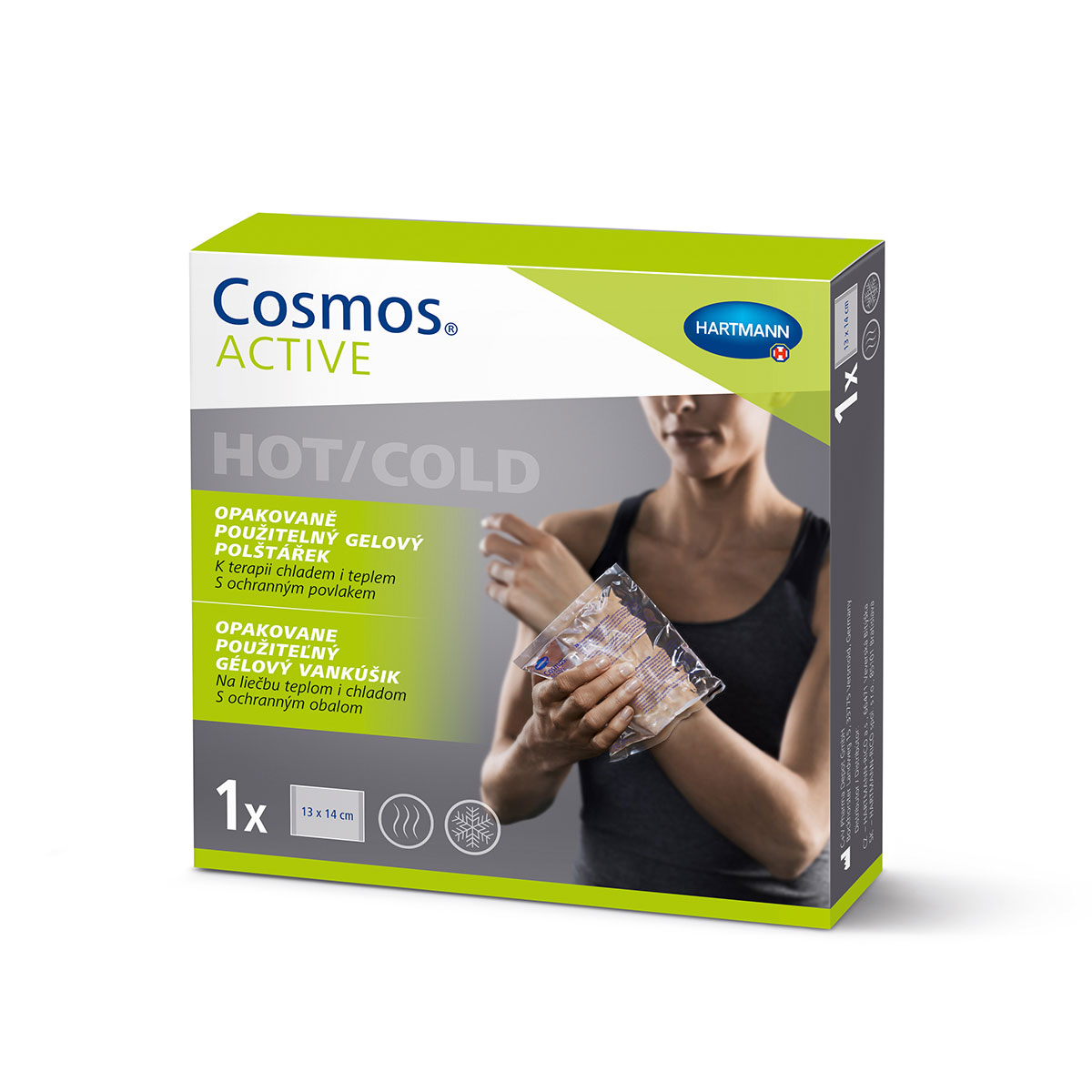
- Apply a cold compress to cool the skin and relieve pain.
- Use a cold compress or take a cool bath or shower to reduce skin temperature and inflammation. Avoid hot water, as it can worsen the condition.
- Take an oatmeal bath.
- Finely ground oatmeal has soothing properties that can help relieve sunburned skin. Add it to a cool bath and soak for 15-20 minutes.
- Use a cool, damp cloth on the affected area for 15-20 minutes several times a day.
- Avoid applying ice directly to the skin, as this can cause further damage.
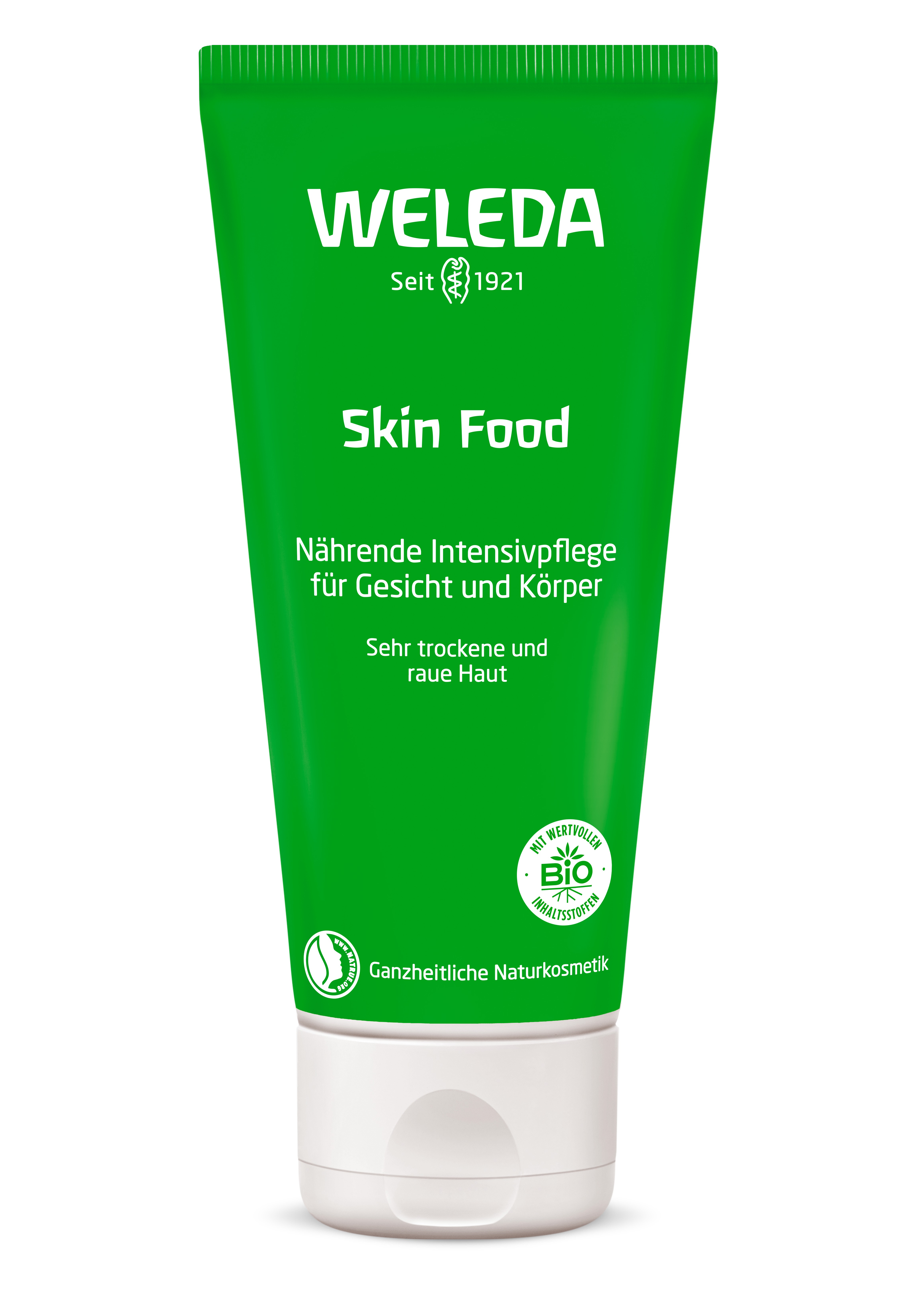
- Apply a moisturizing lotion or aloe vera gel to rehydrate the skin and reduce swelling.
- Sunburn dries out the skin, so it’s important to keep it moisturized. Use fragrance-free lotions or aloe vera gel to help soothe and heal the skin.
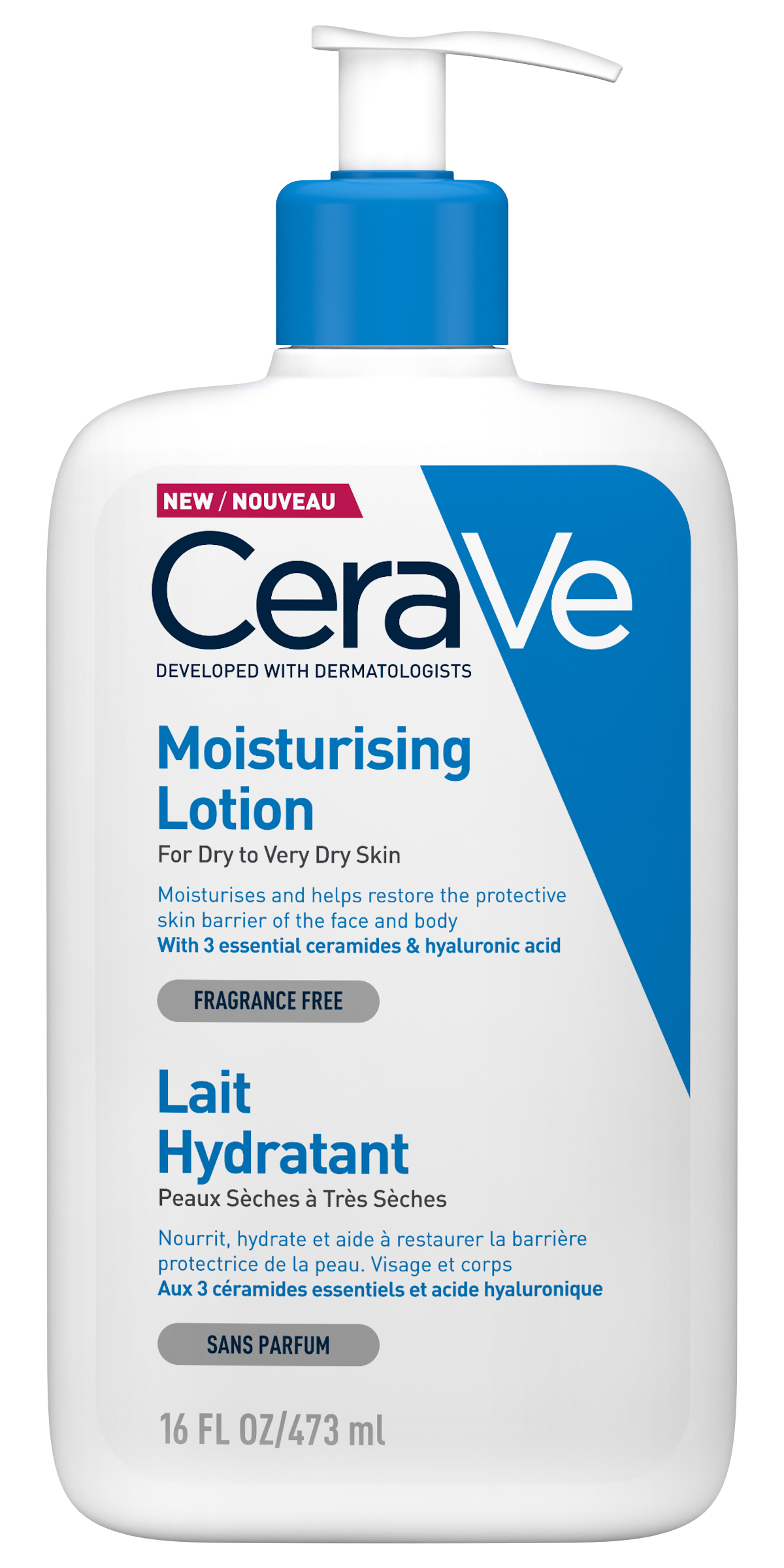
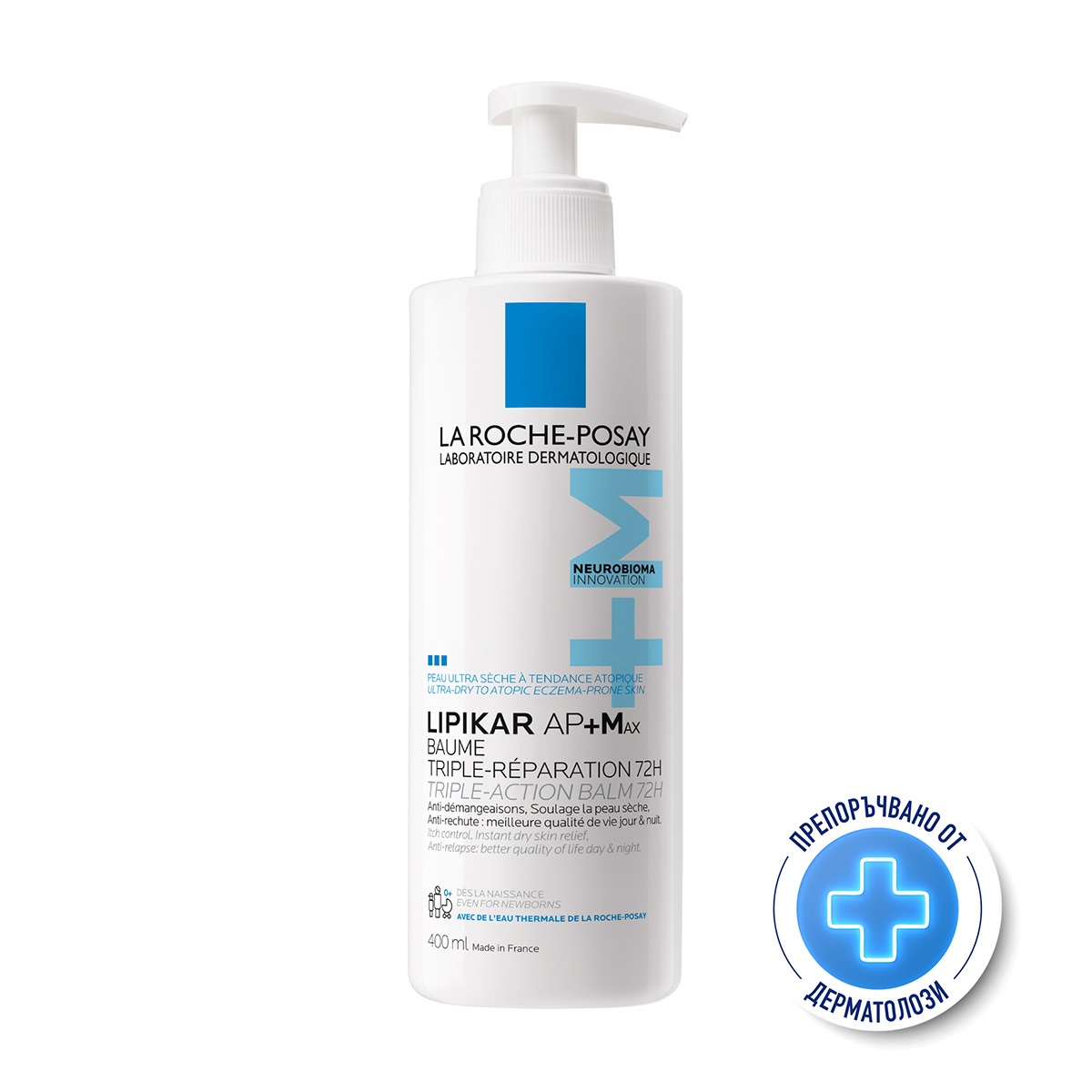
- Recommended products include La Roche-Posay Lipikar soothing balm with thermal water and CeraVe Hydrating Lotion with hyaluronic acid and ceramides.
- Drink plenty of fluids.
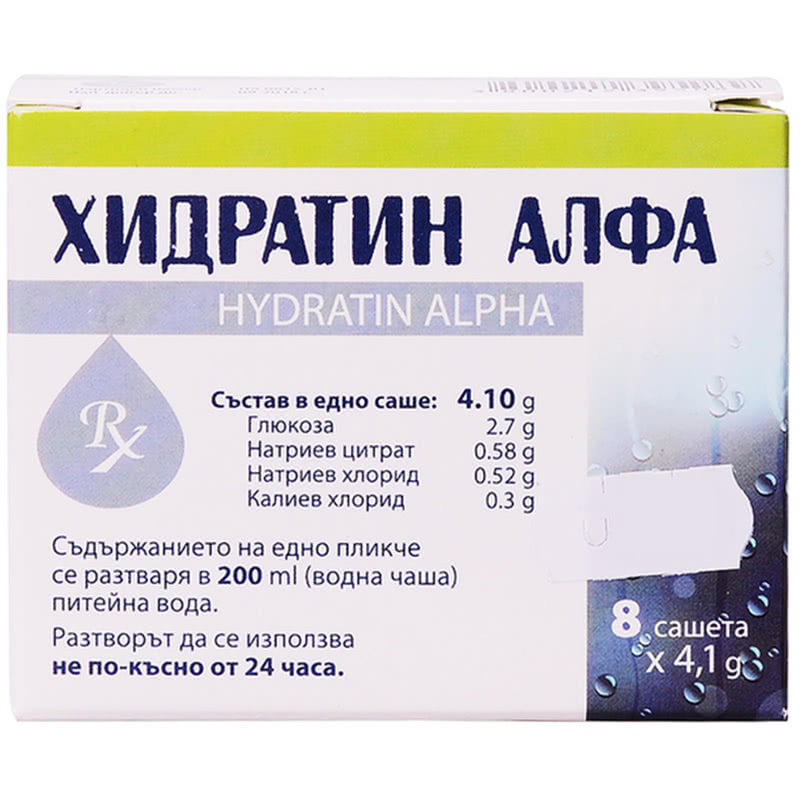
- Sunburn can cause dehydration, so it is essential to drink lots of water. Electrolyte-rich drinks or water-rich foods like watermelon, cucumbers, and citrus fruits can also help.
- Consider pain relief medications if needed.
If you experience pain from sunburn, over-the-counter pain relievers like ibuprofen can help reduce inflammation and discomfort. - Follow dosage recommendations and consult a healthcare professional if needed.
In severe cases, sunburn can lead to dehydration, low blood pressure, and extreme weakness, potentially resulting in shock. If you suspect severe sunburn, seek immediate medical attention.
How Long Does Sunburn Last?
Any part of the body can get sunburned, including the ears, scalp, lips, and even the eyes, which are extremely sensitive to UV rays. Thin clothing may not fully protect the skin from UV exposure.
You might not notice a sunburn immediately, as the damage occurs before symptoms like redness, pain, and burning appear.
Sunburn typically worsens within 24 to 36 hours after exposure and can take several days to weeks to heal. During this time, the skin may feel dry, itchy, and start peeling.
What to Apply to Sunburned Skin?
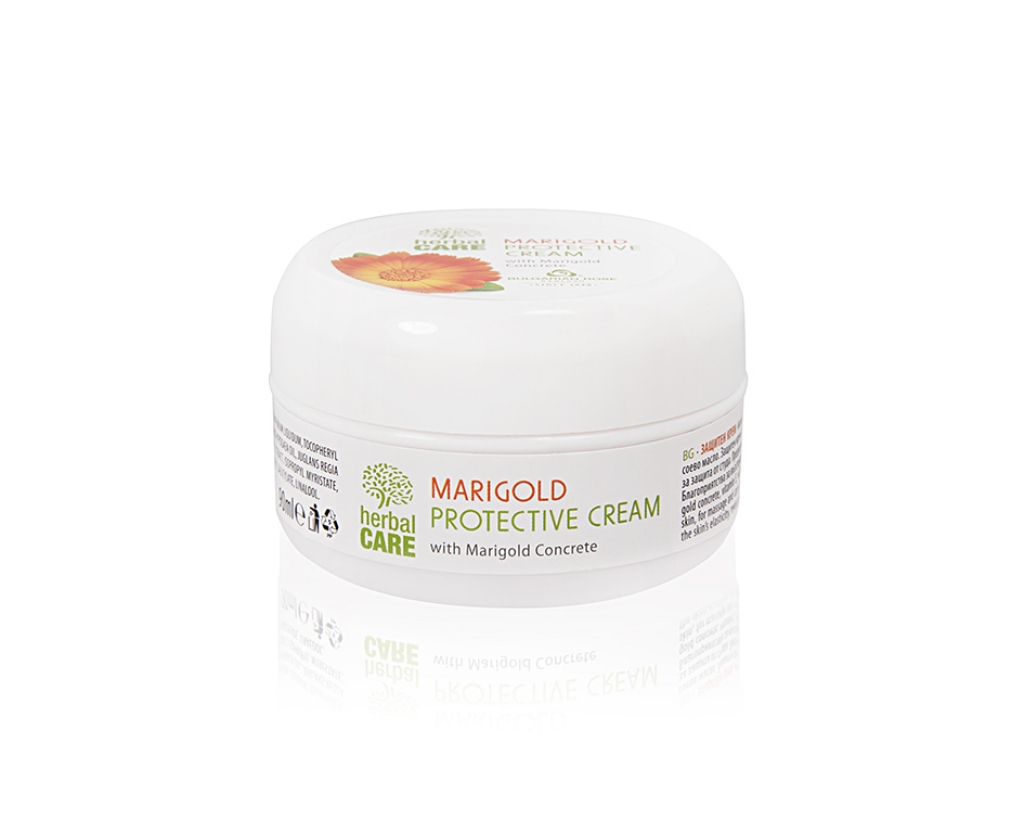
Sunburn dries out the skin, making moisture restoration essential. Use gentle, fragrance-free moisturizers with ingredients like aloe vera, hyaluronic acid, calendula, or chamomile to hydrate and promote healing.
- Calendula cream is known for its anti-inflammatory and soothing properties.
- Aloe vera gel forms a protective barrier, hydrates the skin, and helps prevent infection.
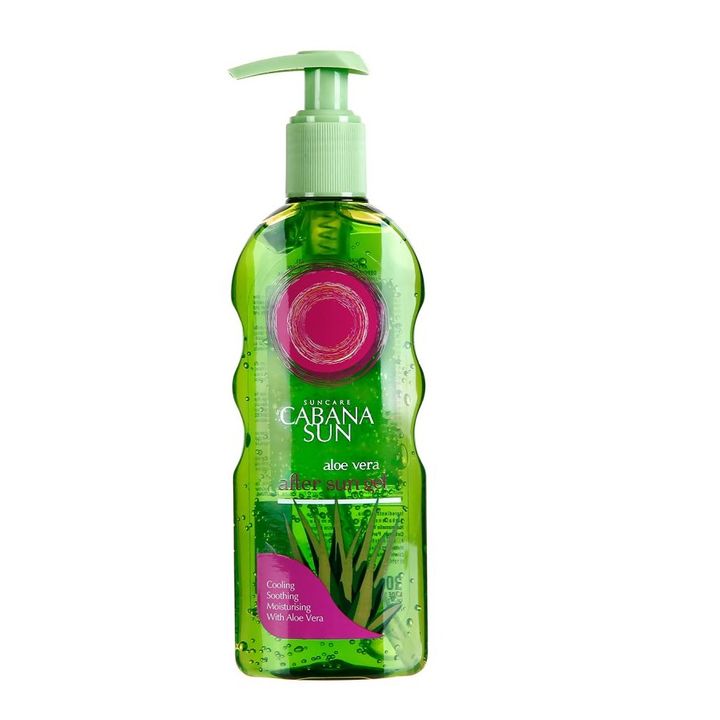
- A recommended after-sun product is Cabana After Sun Aloe Gel, which cools, soothes, and refreshes sun-exposed skin. However, aloe vera is not recommended for small children. Always follow the instructions on the product label.
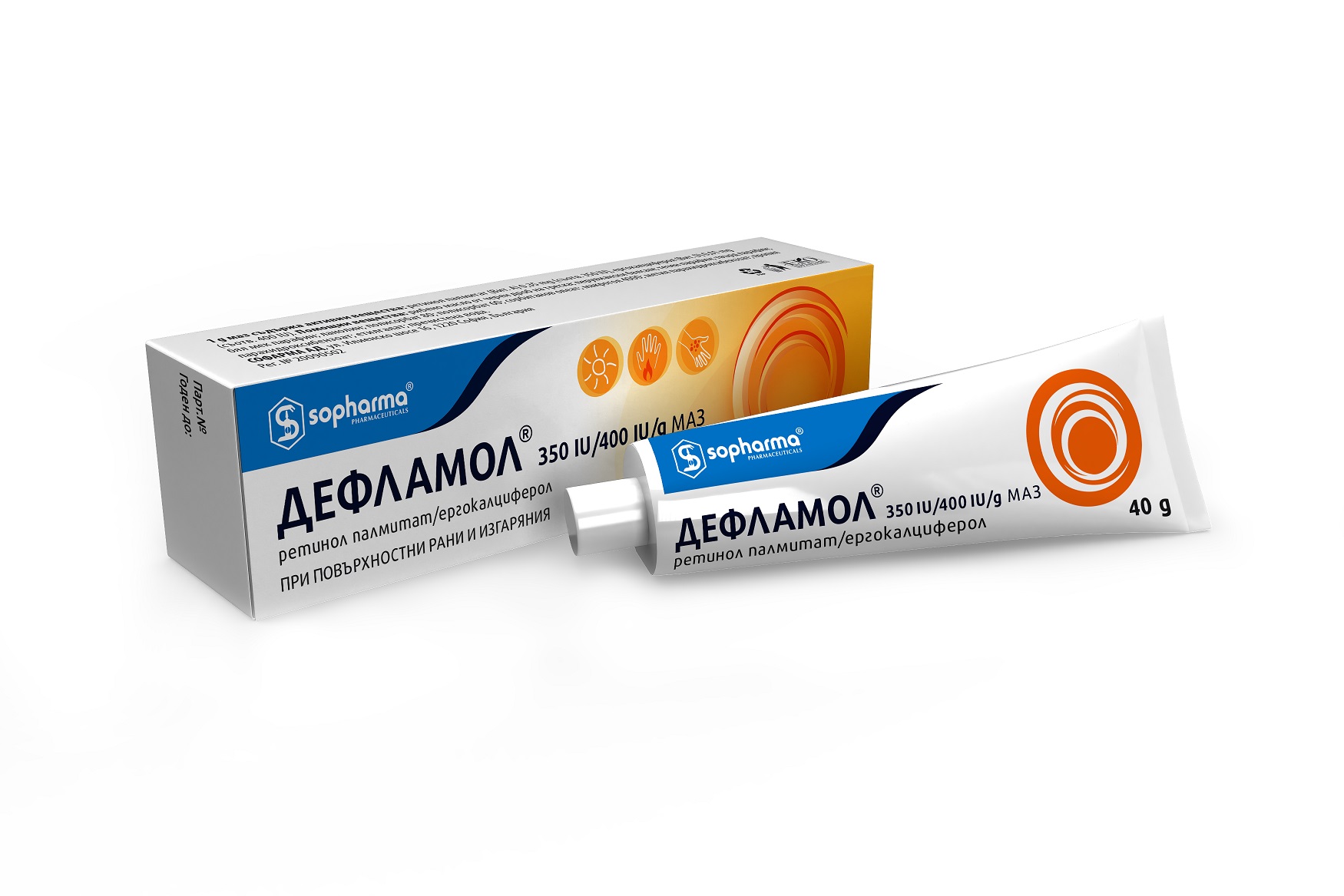
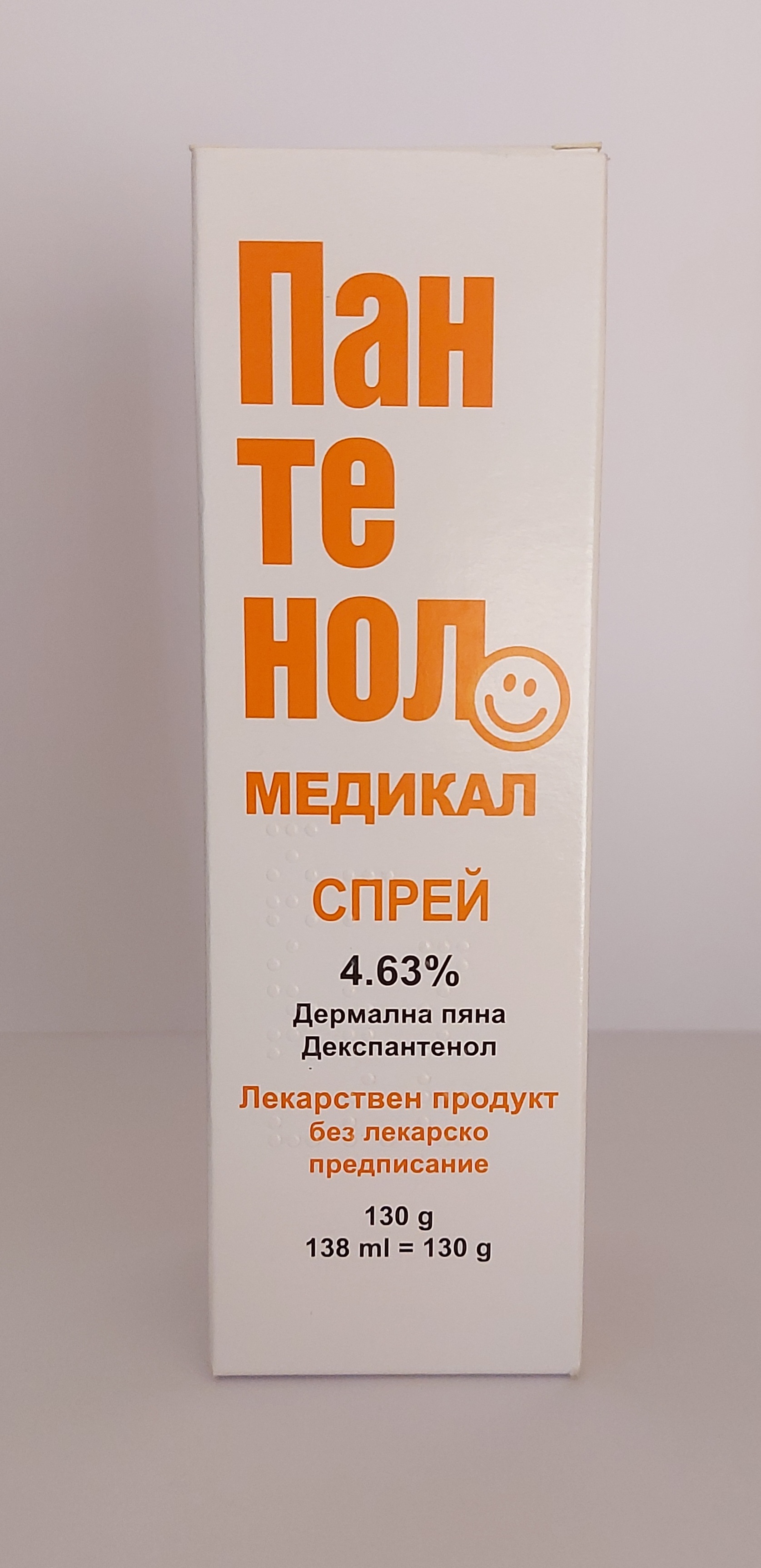
Over-the-counter sprays and creams containing lidocaine, antihistamines, panthenol, or menthol can provide temporary relief from sunburn pain and inflammation. Popular options include Panthenol Medical Spray, Deflamol, Psilo-Balm, and Fenistil. Consult a specialist or pharmacist to choose the best product for your needs.
Sunburn Prevention
While treating sunburn is important, prevention is the best approach. Cooling the skin, moisturizing, staying hydrated, taking pain relievers if needed, and avoiding further sun exposure are effective ways to manage sunburn.
However, the key is prevention. Always wear sunscreen—even in urban settings—to minimize the risk of skin and hair damage from the sun.
1. Hair Protection from the Sun
Sun exposure, combined with saltwater, can dry out and damage hair. Use protective hair products before sun exposure and moisturize shampoos afterward. Look for ingredients like wheat germ and shea butter.
2. Body Sun Protection
After-sun products with panthenol, vitamin E, cocoa, coconut, or shea butter, aloe vera, and menthol help cool, hydrate, and restore the skin.
3. Facial Sun Protection
Use sunscreen with at least SPF 30, applying it regularly even in the city. Choose a fluid formula for oily skin or a cream for dry skin. Compact spray sunscreens are convenient for reapplication on the go.
By following these steps, you can enjoy the sun safely while protecting your skin from harmful UV rays.