


The human body is a complex system performing various functions where all vital processes occur. To work efficiently, it needs many minerals and vitamins. One of them is Vitamin C, which must be obtained through food or dietary supplements because it is not produced in the body. Its deficiency can negatively affect a person's health, causing various diseases and developmental problems, especially in early childhood.
In this article, you will learn more about what it is, its main functions and benefits, and the recommended daily dosage.
What is Vitamin C?
Also known as L-ascorbic acid, it is an essential nutrient involved in many vital processes.
Vitamin C is distinguished by its antioxidant properties, neutralizing the effects of free radicals - molecules that damage cells and lead to various diseases. If their number in the body increases, oxidative stress (OS) develops. In such cases, ascorbic acid is an indispensable helper in fighting OS, as it strengthens the immune system. This reduces the risk of cancer, stroke, or cardiovascular diseases.
As a water-soluble substance, it dissolves in water and is delivered to the tissues in the body but is not stored or produced in the human body. This necessitates its intake from food or dietary supplements. The body absorbs the necessary amounts of the vitamin, and the unused ones are excreted through urine.
What Does Vitamin C Help With?
Additionally, Vitamin C is taken when initial symptoms of flu and cold appear, as it improves the function of white blood cells. The fact that it boosts cellular immunity and its involvement in collagen synthesis makes it a great tool used in the fight against wrinkles and aging.
Last but not least, consuming the vitamin improves brain function and provides energy to the body.
What Are the Benefits of Taking Vitamin C?
Besides the aforementioned functions, ascorbic acid performs other activities that benefit the human body and its health. Among them are:
- Strengthening the immune system;
- Improving the condition of teeth, gums, eyes, and skin;
- Preventing gout attacks;
And more.
In the following lines, you will learn more about its broad-spectrum action and answer the question, "What is Vitamin C needed for?"
Strengthening and Maintaining the Immune System
Ascorbic acid is one of the first remedies that flu or cold sufferers resort to in their treatment. This is because it stimulates the immune system to function properly.
The vitamin helps the body when it needs to deal with various types of infections and wound healing.
Improving the Condition of Teeth, Gums, Eyes, and Skin
One of the key roles of Vitamin C is that it frees the body from accumulated free radicals that damage cells and lead to aging and chronic diseases.
As mentioned earlier, it also participates in collagen formation. This helps skin recovery by preventing dryness and relieving redness.
Regular intake has a beneficial effect on the microvascular system. Frequent consumption of the vitamin prevents tooth loss and eye hemorrhages, improving the condition of the cornea. This can protect the eyes from the negative effects of ultraviolet rays.
Preventing Cardiovascular Diseases
Vitamin C helps lower cholesterol and blood pressure in people with hypertension. Ascorbic acid eases the work of the circulatory system and the heart. The beneficial effect of taking the vitamin increases if absorbed together with Vitamin A.
Relieving Gout
This disease is a type of painful arthritis that primarily affects the joints and soft tissues of the legs and hands. Gout is caused by excess uric acid in the blood, which leads to the formation of crystals in the joints. These, in turn, cause inflammation.
A study from the Medical University of Lodz in 2021 shows that higher levels of Vitamin C in the body positively affect purine metabolism. It helps reduce uric acid levels in the body.
However, more research is needed to definitively prove the benefit of ascorbic acid on the so-called "disease of kings."
Relieving Iron Deficiency Anemia
Anemia is a condition where the patient's blood does not contain enough red blood cells, whose function is to transport oxygen from the lungs to the body's tissues. Often, anemia is observed with a lack of iron needed for the production of red blood cells.
Taking Vitamin C in the form of supplements or through food and iron has a positive effect on the body. Keep in mind that the results of consuming the acid and mineral depend on the type of iron you have taken.
Preventing the Accumulation of Harmful Substances
Vitamin C binds to harmful substances in the body and helps excrete them through urine. Smokers should have a higher intake of acid due to the increased toxins accumulated in the body from smoking cigarettes.
Participating in the Synthesis of Important Substances
Vitamin C participates in the process of forming dopamine, carnitine, as well as in the absorption and metabolism of folic acid, copper, iron, etc.
Sources of Vitamin C
- Ascorbic acid is not naturally synthesized in the human body. Therefore, it must be obtained through:
- Food - There are various types of fruits, vegetables, and other foods rich in Vitamin C. By including them in a well-balanced healthy diet, one can easily obtain the necessary daily dose.
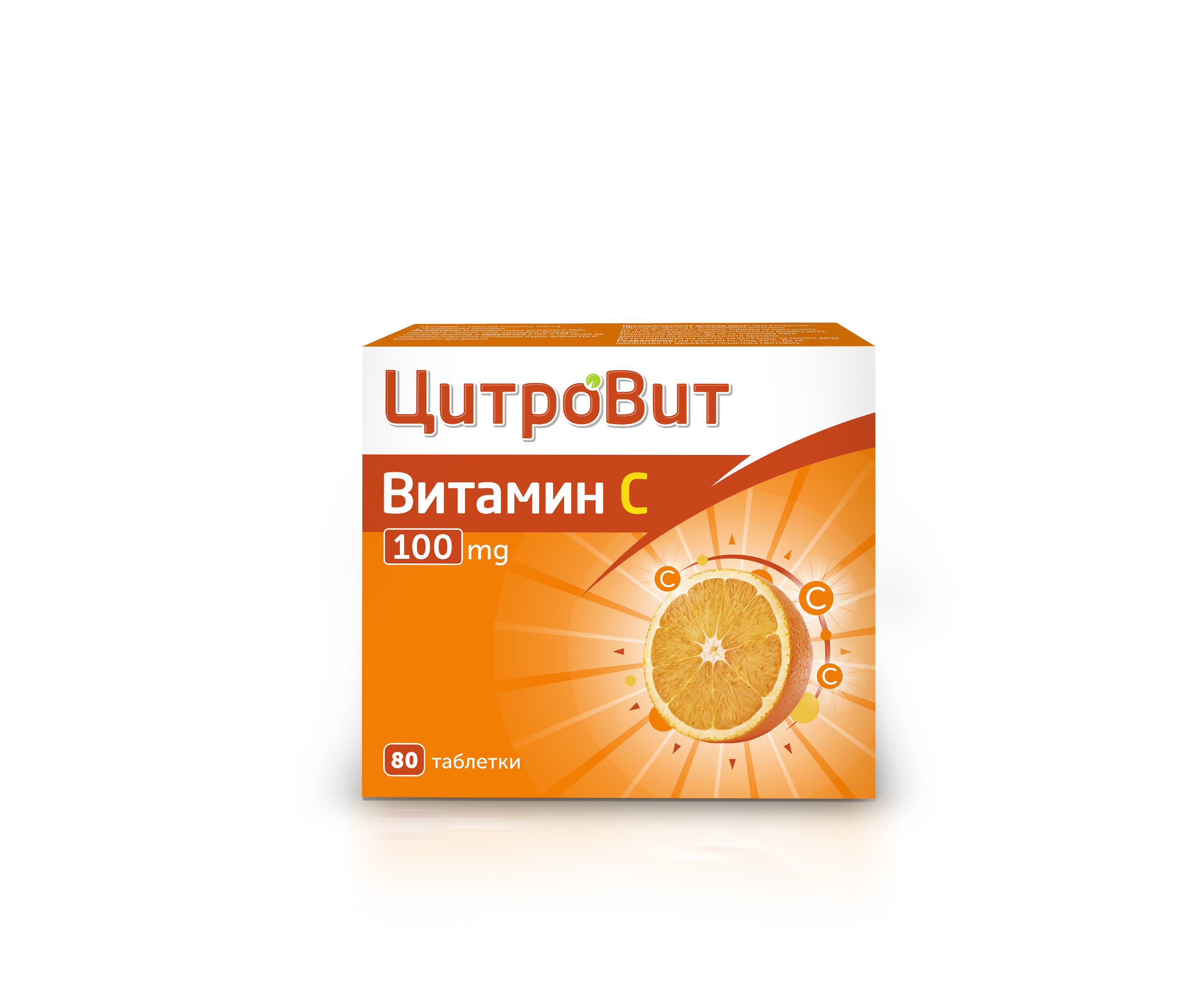
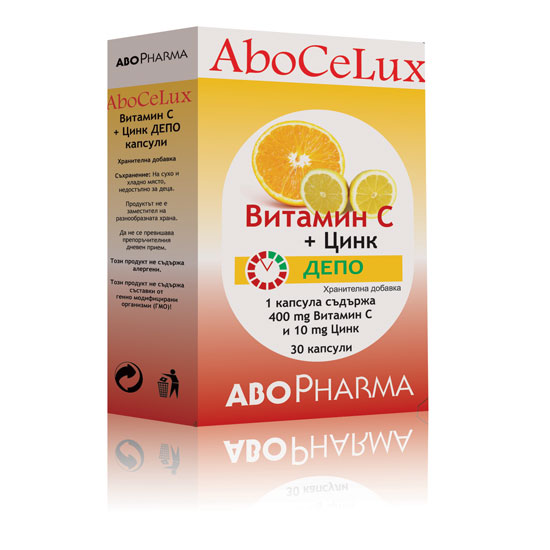
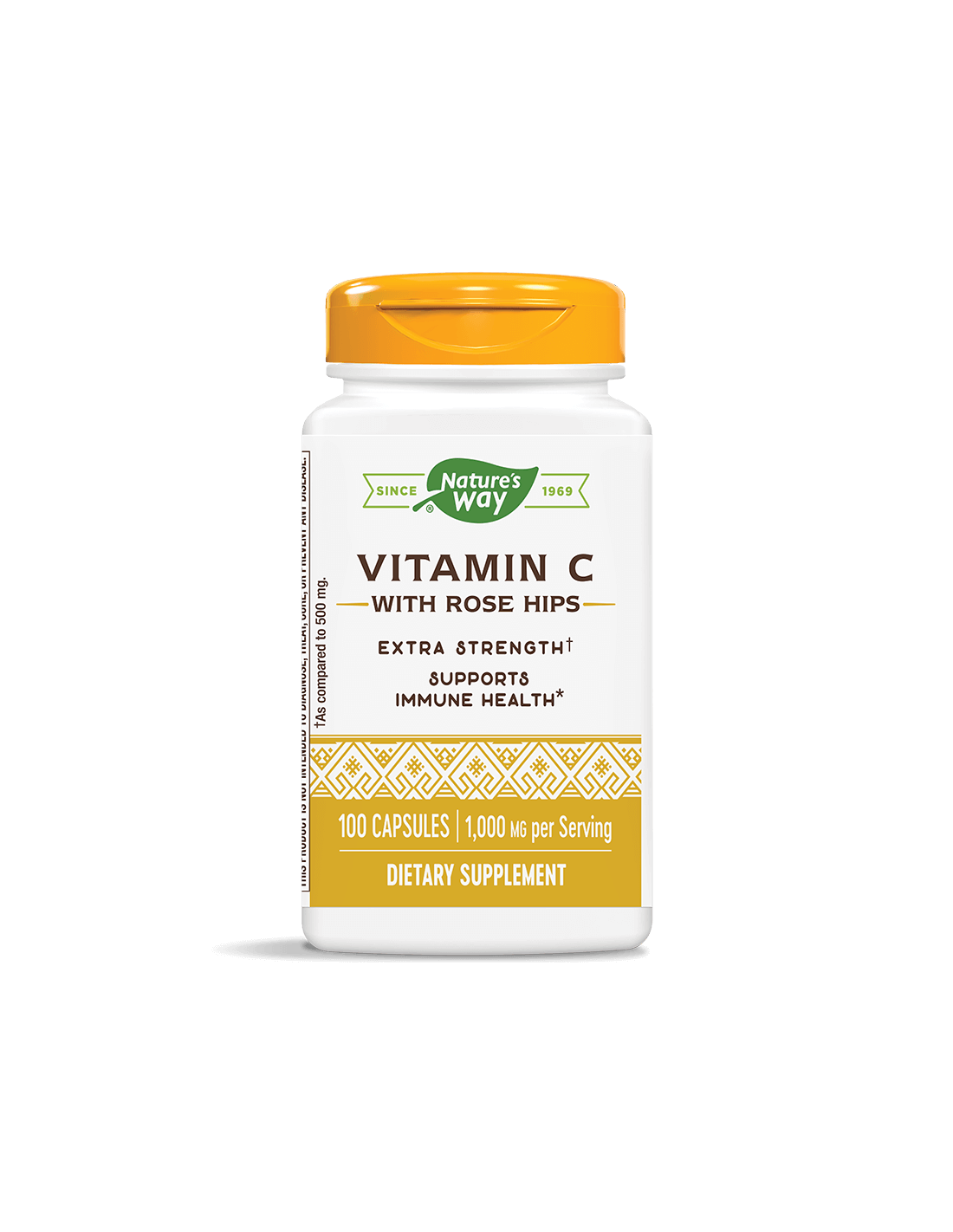
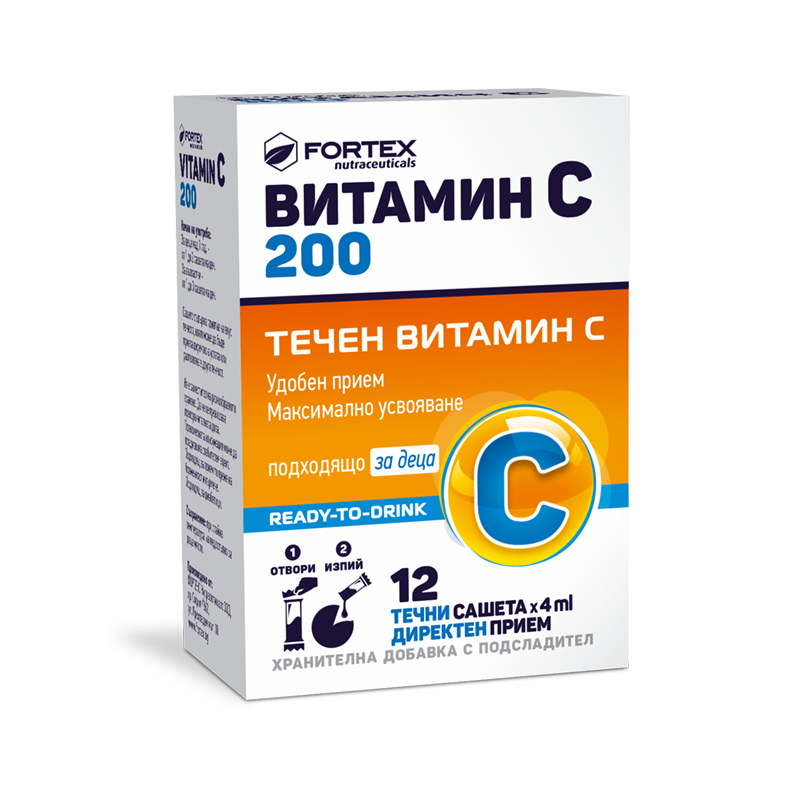
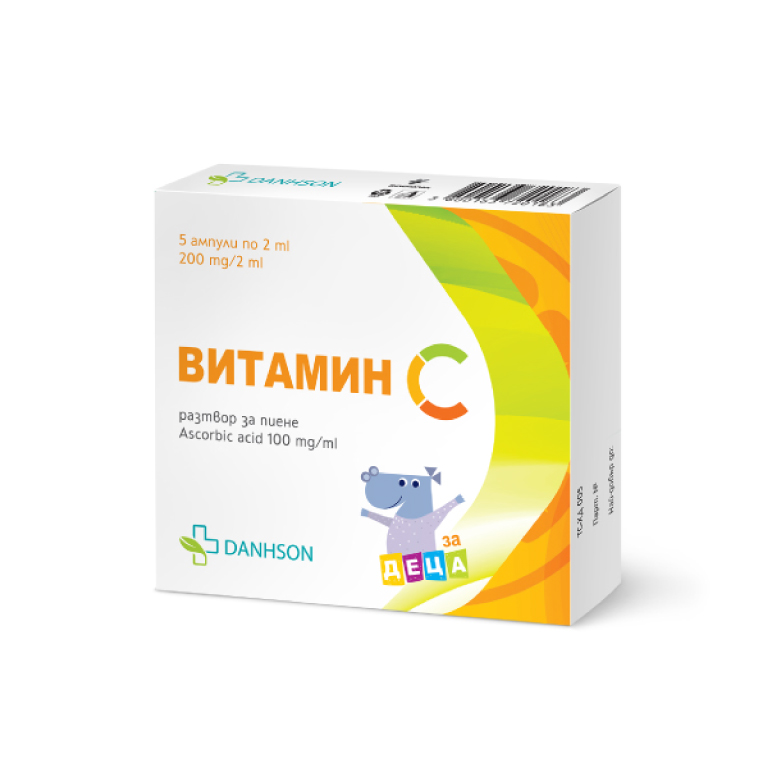
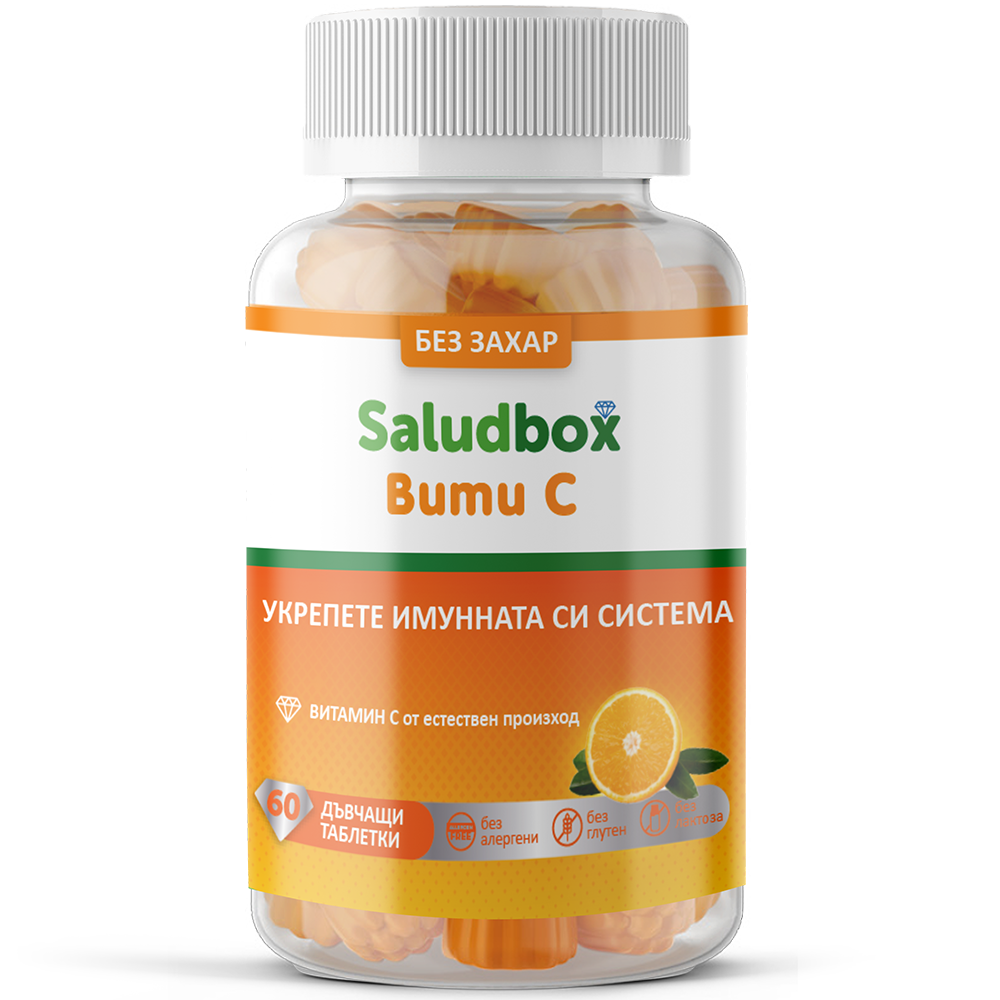
- Dietary Supplements with Vitamin C - These are another option available in any physical or online pharmacy. You can find tablets, chewable, liquid, and powder forms.
Foods Rich in Vitamin C
The best way to deliver enough Vitamin C is through food. This is a tasty and healthy solution for obtaining the vitamin, which will also satisfy you and provide the necessary energy for the day.
Foods with the highest content of ascorbic acid that you can find on the market or in the store are:
- Red pepper;
- Citrus fruits (oranges, lemons, grapefruit);
- Strawberries;
- Broccoli;
- Tomatoes;
- Brussels sprouts;
- Papaya;
- Mango;
- Cauliflower;
- Kiwi.
Recommended Dosage
19 – <30 years — 110 mg;
30 – <60 years — 110 mg;
60 – <75 years — 110 mg;
75+ years — 110 mg.
19 – <30 years — 95 mg;
30 – <60 years — 95 mg;
60 – <75 years — 95 mg;
75+ years — 95 mg.
Pregnancy and Vitamin C Intake
The daily dose of Vitamin C for pregnant and breastfeeding women differs from others. For expectant mothers, it is 105 mg, and for those who are breastfeeding — 155 mg.
Recommended Vitamin C Intake for Children and Babies
Children and newborns need less ascorbic acid daily. For babies up to 6 months old, the intake is 25 mg. From half a year to seven years, the recommended dose is 30 mg.
For boys between 10 and 14 years old, the intake increases to 70 mg, and for those from 14 to 19 years old, it is 100 mg. For girls between 10-14, the dosage is the same. Teenage girls between 14-19, on the other hand, should take 90 mg daily.
Vitamin C Deficiency
Various factors cause insufficient intake of Vitamin C (hypovitaminosis) - increased use of cigarettes and alcohol, pregnancy, weakened immune system, improper and unbalanced diet, physical or mental stress, etc.
It most often leads to the development of scurvy - a disease characterized by muscle pain, tooth loss, and bleeding from the nose and gums. To avoid this, you should consume foods rich in ascorbic acid.
If you are worried that your body does not have enough Vitamin C, watch for the following symptoms:
- Dry and rough skin;
- Bleeding gums;
- Bone and joint pain;
- Slow healing wounds;
- Lack of appetite;
- Poor concentration;
- Anemia;
- Easy bruising;
- White spots on nails.
- Vitamin C Overdose
- It is advisable to be careful in the desire to obtain enough ascorbic acid to avoid the opposite effect and overdose.
- In such cases, the result leads to:
- Nausea;
- Vomiting;
- Diarrhea;
- Stomach cramps.
Therefore, before intake, it is recommended to consult a doctor who can help you adjust the frequency and doses to your individual needs.
Vitamin C is a nutrient necessary for the growth, development, and repair of all body tissues. Ascorbic acid participates in many functions of the body. Some of them are collagen formation, iron absorption, strengthening the immune system, wound healing, and maintaining the good condition of cartilage, bones, and teeth.
Another key role that the vitamin has in the body is as an antioxidant, which protects against damage caused by free radicals, as well as toxic chemicals and pollutants like cigarette smoke. Free radicals can accumulate and contribute to the development of cardiovascular diseases, arthritis, and cancer.
Due to the many benefits it brings to the body and improving the quality of its functions, daily intake of Vitamin C is vital.
If you want to read other informative articles on health topics, check out our Health Portal.