

For the human body to function properly, it needs many essential nutrients. One of these is vitamin D, probably known to many of you as the "sunshine vitamin." It is responsible for numerous processes in the body, with its main role being to maintain bone health.
Although well-known, vitamin D is often overlooked. That is why a large portion of the population suffers from a deficiency of this nutrient. To inform you about vitamin D deficiency, this article will discuss its causes and some of the main symptoms of this condition.
What is Vitamin D?
Vitamin D is a substance popular for being part of bone building and care. Additionally, it plays a key role in maintaining the immune system, muscle function, and brain cell activity.
Although called a vitamin, it is actually a hormone that the body can produce on its own. Its production is mainly stimulated by sunlight, which is also the most popular source of vitamin D.
What is Vitamin D Deficiency?
As you might expect, vitamin D deficiency means there is not enough of this substance in your body. Earlier, we mentioned its particular importance for bone health. This is because vitamin D helps the body utilize the calcium it has, which is essential for maintaining a healthy skeletal system. However, if your vitamin D levels are low, it can cause reduced calcium absorption, which in turn can lead to low blood calcium levels and overactivity of the parathyroid glands.
Who Can Be Affected by Vitamin D Deficiency?
Low vitamin D levels are a common problem that can affect anyone. However, some factors can increase the risk of deficiency for certain people:
Age
One main reason for vitamin D deficiency is age. People over 65 are among the most at risk because their bodies' ability to produce the vitamin is significantly reduced. Infants can also be affected, especially those who are exclusively breastfed, as breast milk contains little vitamin D.
Skin Color
People with darker skin produce vitamin D less easily. This is because they have more melanin—a pigment that protects the skin from the sun.
Mobility Issues
Many people with mobility problems rarely leave their homes. Some live in specialized facilities like hospitals or nursing homes, which may reduce their sun exposure and lead to vitamin D deficiency.
Causes of Vitamin D Deficiency
Vitamin D deficiency can be caused by many factors. Here are some of the main ones:
- Diseases
- Certain diseases interfere with the intestine's ability to absorb enough vitamin D. These include cystic fibrosis, Crohn's disease, and celiac disease.
- Other health issues related to the kidneys and liver can also cause deficiency. If you have such diseases, your body may lack the enzymes needed to properly process vitamin D.
- Overweight and Obesity
- Obesity can lead to many health problems, including high blood pressure and heart disease. Because of the large number of fat cells that hinder vitamin D release, obesity can also cause vitamin D deficiency, which may contribute to other conditions.
- Weight Loss Surgery
- Bariatric surgeries that reduce stomach size or bypass parts of the digestive system can impair the absorption of essential nutrients, including vitamin D. If you have undergone such surgery, consult your doctor for advice on supplements.
- Insufficient Vitamin D Intake
Another common cause of deficiency is not getting enough vitamin D from food or sunlight. If your diet lacks vitamin D-rich foods, consider including:
- Fatty fish like salmon, tuna, and mackerel
- Rainbow trout
- Beef liver
- Some mushrooms
- Egg yolks
- Fresh milk
- Yogurt
- Some nut milks (soy, almond, oat)
- Oranges
- Bananas
- Mangoes
- Kiwis
- Apricots
- Strawberries
- Raspberries
- Blueberries
Besides diet, try to get daily sunlight exposure, but always use sun protection.
Medication Use
Some medications can reduce vitamin D levels, such as:
- Laxatives
- Corticosteroids
- Cholesterol-lowering drugs
- Anti-seizure medications
- Tuberculosis drugs
- Weight loss medications
Always consult your doctor about the medications you take. If necessary, your doctor can recommend a suitable vitamin D supplement.
Poor Absorption
Even if you consume enough vitamin D-rich foods, supplements, and sunlight, your body might have trouble absorbing vitamin D. This is often related to digestive problems like irritable bowel syndrome or pancreatic diseases. Consult your healthcare provider for guidance.
Symptoms of Vitamin D Deficiency
Vitamin D deficiency can cause various symptoms. They are more noticeable in children, where deficiency can lead to rickets, with signs such as:
- Improper growth due to bone bending
- Muscle weakness
- Bone pain
- Joint deformities
In adults, symptoms include:
- Persistent fatigue
- Bone pain
- Frequent muscle cramps
- Muscle weakness
- Mood changes
- Depression
- Frequent illnesses
Note that vitamin D deficiency can sometimes be symptomless, which is why regular vitamin and mineral testing is advisable.
Possible Complications
If vitamin D levels remain low, serious complications may develop, such as:
- Low blood calcium (hypocalcemia)
- Low blood phosphate (hypophosphatemia)
- Osteomalacia (softening of the bones)
The good news is these conditions are treatable if addressed early. Therefore, do not ignore the symptoms described above.
Treatment
Vitamin D deficiency can be managed effectively with the right steps:
- Spend time outdoors
- Try to spend time outside during the sunniest parts of the day. In summer, avoid peak sun hours to protect your skin. If you cannot leave your home, try to spend time on a balcony or near a window.
- Include vitamin D-rich foods in your diet
- Consult a specialist for a tailored nutrition plan rich in vitamin D.
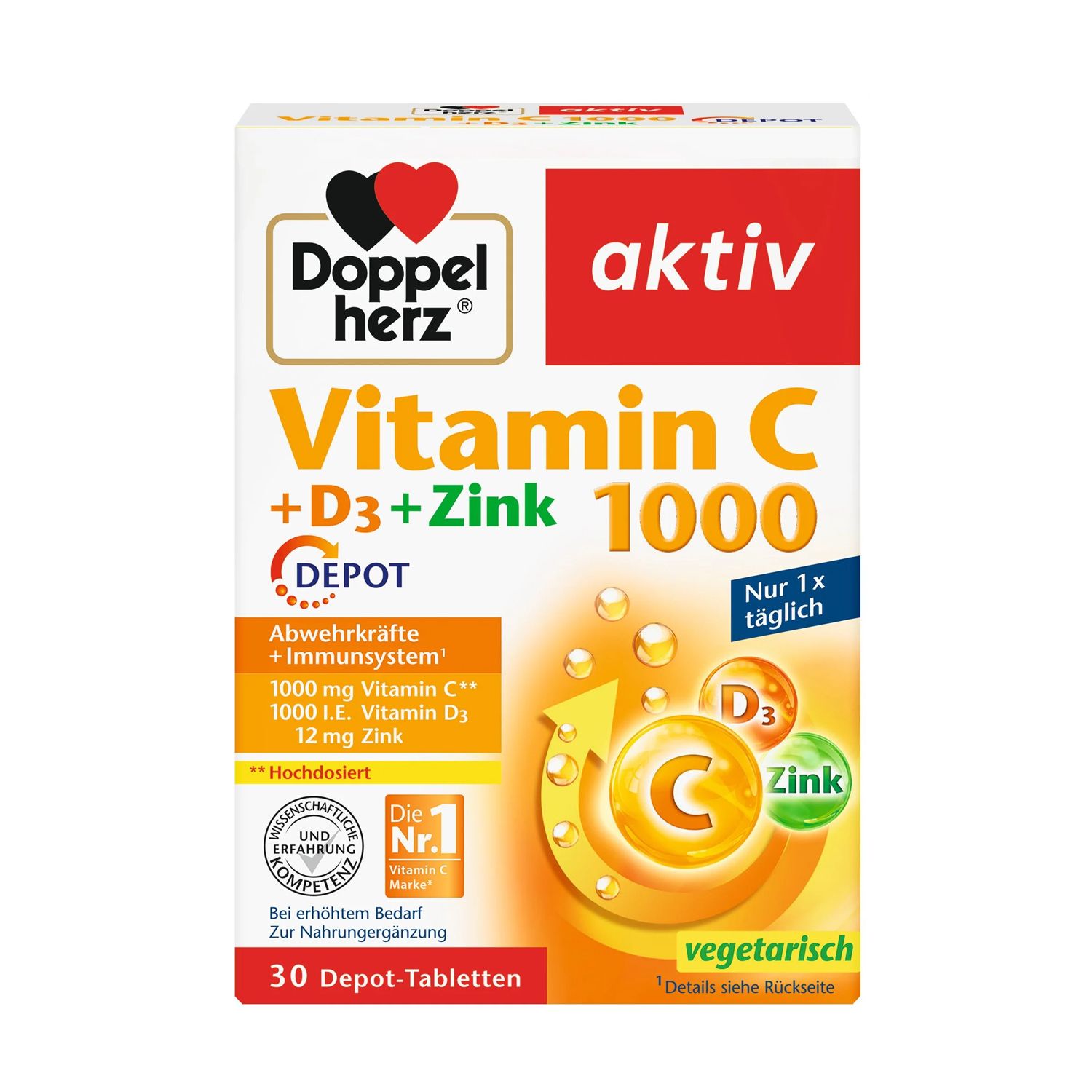
- Take supplements
Many vitamin D supplements are available on the market. Always talk to your doctor before starting supplementation to ensure the correct dosage. Taking too much vitamin D can cause side effects such as:
- Nausea
- Increased thirst
- Frequent urination
- Poor appetite
- Constipation
- Weakness and disorientation
- Balance problems
Slurred speech
Conclusion
Vitamin D deficiency is a problem that can affect anyone, regardless of age or health status. As you’ve learned, deficiency can cause unpleasant symptoms that interfere with your daily life. We hope this article helps you understand how to address vitamin D deficiency effectively.
This article is for informational purposes only and does not replace professional medical advice. For more helpful articles, feel free to visit our health portal.