


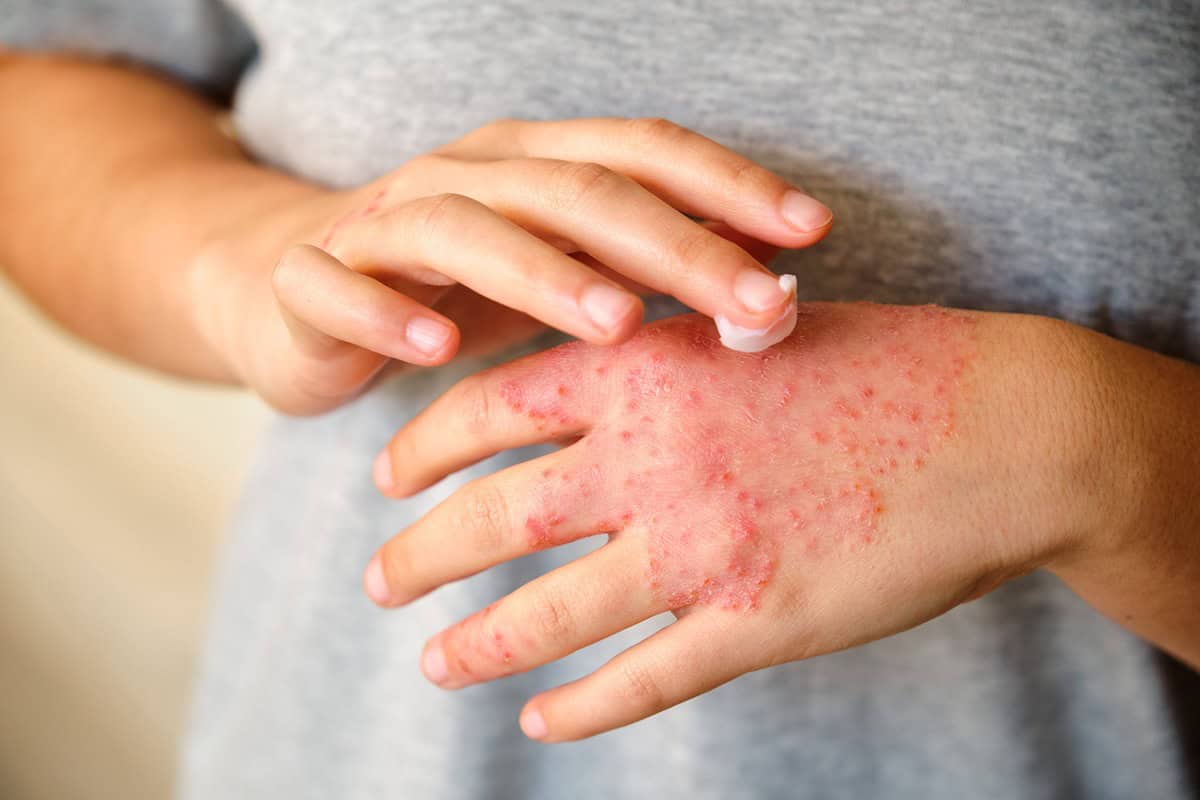
Atopic skin is a common condition that can affect people of all ages. It is characterized by increased sensitivity, which may interfere with your daily comfort.
To help you understand the condition better, this article provides more detailed information, including its causes, main symptoms, and effective management strategies.
What Is Atopic Skin?
Atopic skin, also known as atopic dermatitis or atopic eczema, is a non-infectious, chronic, and non-contagious condition. It can affect both the face and body, leading to redness, flaking, dryness, and itching.
Who Is Most at Risk of Atopic Dermatitis?
Atopic eczema primarily affects children. It often appears at an early age but usually resolves before puberty. In some cases, however, it persists into adolescence and adulthood.
Atopic dermatitis may also occur for the first time in adulthood, particularly in individuals with hay fever or asthma.
Recent data shows that women are more frequently affected than men. This is largely due to hormonal factors that impact immune function and skin health.
Symptoms of Atopic Skin
The main symptoms include:
- Increased skin sensitivity
- Persistent itching
- Dry and red patches
- Rashes that may ooze clear fluid or bleed when scratched
- Thickened and hardened skin areas
Symptoms can appear individually or together and may affect one or more body areas. Interestingly, the location often depends on age:
- Infants (under 2 years): Face and scalp are most commonly affected.
- Children (2–18 years): Elbows, knees, neck, and ankles are often involved, as well as the face, hands, and feet.
- Adults: Commonly affects hands, neck, elbows, knees (especially folds), skin under the eyes, ankles, and feet. Some may develop a fold under the eyes called the Dennie-Morgan fold.
Atopic skin may also lead to the development of other conditions, regardless of age:
- Asthma
- Allergies, including food allergies
- Other skin conditions (e.g., ichthyosis)
- Anxiety
- Depression
- Sleep disturbances
If you experience any of these symptoms, consult a doctor immediately. Avoid self-treatment, as improper use of medication or skincare products could worsen the condition.
Causes of Atopic Eczema
The exact causes of atopic dermatitis are still unknown, but several contributing factors have been identified:
- Impaired skin barrier function
- Genetic predisposition
- Environmental influences
- Skin Barrier Dysfunction
The body produces a protein that maintains healthy skin. When this protein is lacking or altered, the skin barrier becomes compromised, increasing vulnerability to eczema.
Genetic Predisposition
If a close family member has atopic eczema, asthma, or hay fever, your risk of developing the condition is significantly higher.
Environmental Factors
Environmental influences can damage the skin’s protective barrier. Key contributing factors include:
- Frequent exposure to tobacco smoke
- Excessively dry air
- High temperatures
How to Manage Atopic Dermatitis
Although there is no cure for atopic skin, several methods can help alleviate its symptoms:
Use of Appropriate Skincare
Incorporate suitable skincare products into your daily routine. Consult a dermatologist to determine which products are best for your skin type. Avoid choosing products on your own, as some ingredients might aggravate your condition.
Medications
Various medications are available to help manage atopic dermatitis. However, they may cause side effects if used improperly or combined with other treatments. Always consult your doctor before starting any medication.
Other Treatment Options
Some non-medication methods include:
Wet wrap therapy: Involves applying ointment-soaked dressings to affected areas. Frequency and duration should be determined by a healthcare provider.
Phototherapy: Often effective when medications or skincare products fail. Note that phototherapy carries risks such as premature skin aging, pigmentation changes, and increased risk of skin cancer.
Prevention
While there is no cure for atopic skin, you can take steps to control symptoms and improve your quality of life:
Reduce Stress
Stress can exacerbate symptoms. Cortisol, the stress hormone, can disrupt immune balance and trigger inflammation. Get enough sleep and consider stress-relief practices like meditation or yoga.
Keep Your Skin Moisturized
Dryness is a hallmark of atopic dermatitis. Use dermatologist-recommended moisturizers daily. Avoid hot showers, which can dry out the skin; instead, opt for short, cool showers to soothe irritation and reduce itching.
Identify and Avoid Triggers
Track what worsens your symptoms. Common triggers include:
Scented body products
- Heat
- Sweat
- Pets
- Dust
- Certain foods
- Keep a journal to note triggers and share it with your dermatologist to tailor an effective treatment plan.
Wear Loose Clothing
Tight clothes can irritate sensitive skin. Choose loose, breathable fabrics like cotton to minimize discomfort and prevent overheating.
Conclusion
Atopic dermatitis can significantly impact your quality of life. While there is no definitive cure, understanding the condition and managing its symptoms can help you live more comfortably.
Disclaimer: This article is for informational purposes only and does not replace professional medical advice. For more health-related content, visit our health portal.